
 4 months ago
Static Media
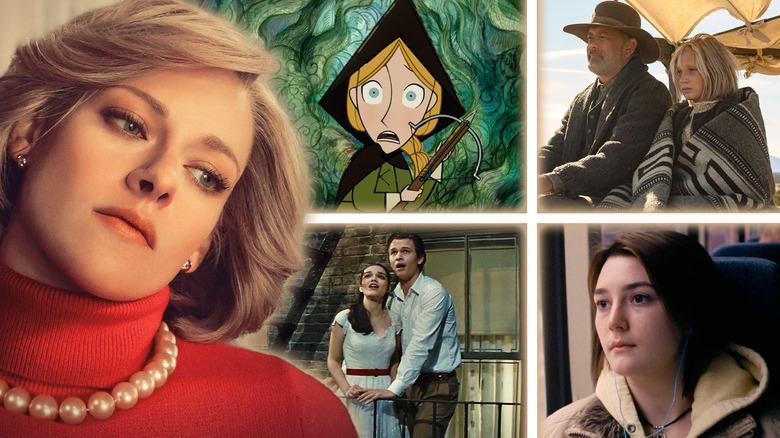
In many ways, Hollywood is still reeling from the COVID-19 pandemic. From 2020 through 2021, they tried (often in vain) to figure out what a theatrical release even meant to consumers anymore. When in doubt, they merely delayed and/or dumped some of the most anticipated projects in production, leaving them to twist in the wind on overcrowded streamers or in empty theaters.
For each of these forgotten films, the story isn't just the greatness that was overlooked but the surprisingly varied conditions that led to their failure. Some films were held by distributors for over a year, waiting and seemingly finding the perfect window for release, only for another curveball — a variant, a spike, an audience with more selective or conditioned tastes — to dash their hopes. Others were boldly thrust into theaters in bizarre defiance of the information everyone already had.
Before they get lost forever, these are the 15 best movies that flopped during the COVID-19 pandemic.
West Side Story (2021)
20th Century Studios
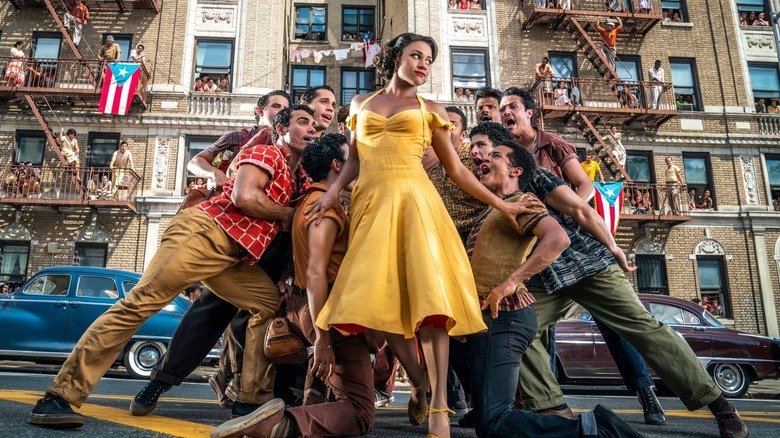
Steven Spielberg is often regarded as one of the most stylistically diverse filmmakers of all time. After spending decades teasing his venture into the movie musical subgenre, he audaciously decided to re-adapt "West Side Story" after the 1961 film. Spielberg proved himself as adept as always, and "West Side Story" stands out as one of his greatest works. It successfully launched the career of Rachel Zegler and earned Ariana DeBose an Academy Award. By most standards, it remains the best movie musical of the 2020s.
"West Side Story" was released worldwide in the late winter of 2021, a period during which significant segments of the moviegoing population had already begun returning in full force — they just weren't showing up for movie musicals. Blockbusters like "Dune" and "Spider-Man: No Way Home" were well-positioned to draw out younger audiences tired of being trapped inside. "West Side Story," meanwhile, needed the support of older demographics who were less inclined to risk infection to see a movie in theaters. It grossed $76 million against a budget of $100 million, reportedly falling over $200 million short of its break-even point.
In the Heights
Warner Bros. Pictures
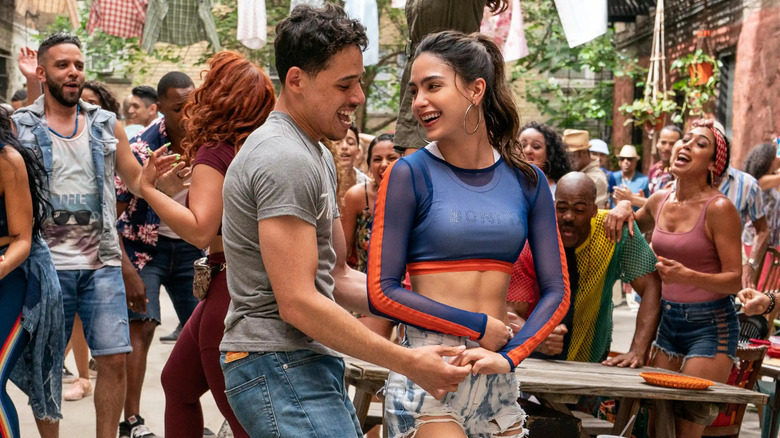
Numerous factors outside Steven Spielberg's control likely had him nervous in the lead-up to "West Side Story" — among them that an acclaimed, highly-anticipated, sun-soaked movie musical like "In the Heights" bombed hard months earlier. Jon M. Chu's adaptation of Lin-Manuel Miranda's Broadway musical should've been the party of the first "post-COVID" summer. The score is among the greatest in the history of the musical theater canon, the story was perfectly suited for the political moment, and Chu's vision was every bit as vibrant in the film's marketing as it was in the cinemas.
Even from a COVID perspective, the outlook was favorable: Vaccines had become accessible to the broader U.S. populace, and those fortunate enough to get one were all too ready to leave the previous year behind them. What ultimately doused the film's box office potential was likely not merely pandemic anxiety (this was, in fact, not really a "post-COVID" summer at all), but the fact that Warner Bros. was still holding to its controversial commitment to releasing its entire 2021 slate on HBO Max. While the exclusive theatrical releases of films like "A Quiet Place: Part II" and "F9" gave audiences a reason to return to their normal moviegoing habits, Warner Bros. was encouraging nothing of the sort. "In the Heights" made over $45 million worldwide, falling under its budget of $55 million.
The Last Duel
20th Century Studios
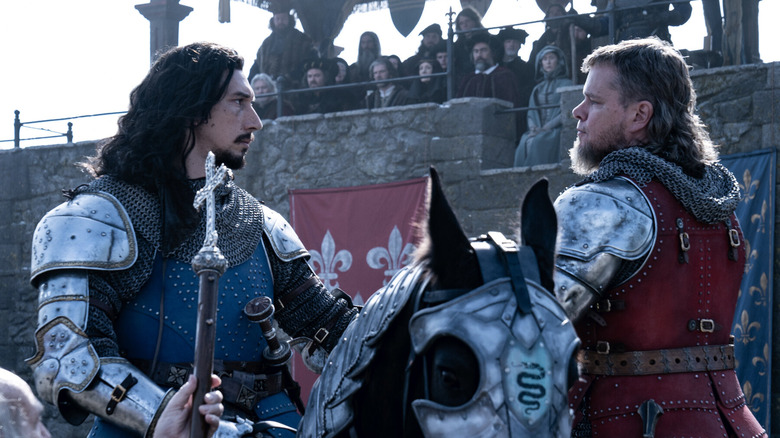
Having made his directorial debut with 1977's "The Duellists," Ridley Scott was making something of a genre homecoming with "The Last Duel." His sword-swinging prestige period action drama was thematically compelling, and it used a structure similar to "Rashomon" to explore an accusation of violent crime in 14th-century France. It was a real, adult film with complicated subject matter, immersive production value, and powerful performances from a stacked cast.
"The Last Duel" was released in October 2021 on the same day Universal's horror blockbuster "Halloween Kills" debuted simultaneously in theaters and on streaming. The latter film outgrossed its $20 million budget by a factor of six, but "The Last Duel" cost five times as much to make at $100 million and grossed just over $30 million. Scott infamously went on the record to blame the bomb on, essentially, that dang phone. "The millennials do not ever want to be taught anything unless you're told it on a cell phone," he complained on WTF with Marc Maron. In reality, it suffered from the same lack of interest in adult dramas that affected "West Side Story."
Nightmare Alley
Searchlight Pictures
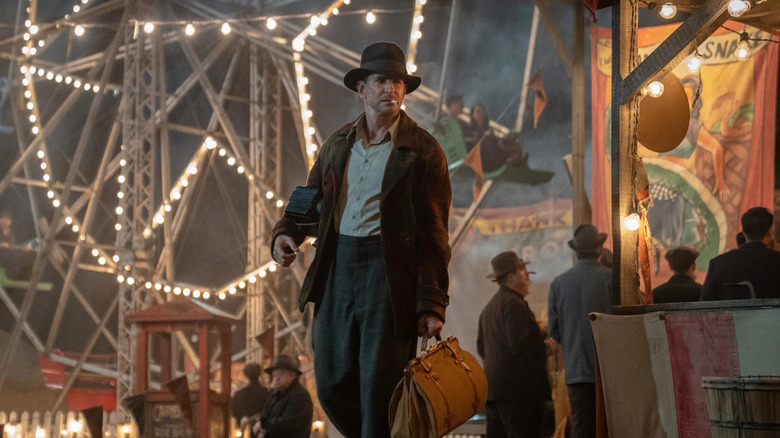
Insecurity and ego made Bradley Cooper agree to star in "Nightmare Alley." Struggling to feel at home in the prestigious filmmaking circles he'd directed himself into through "A Star Is Born," he finally got the chance to work with one of the current era's preeminent filmmakers in Guillermo del Toro for this 2021 neo-noir thriller. It was a grim affair that tackled many of the issues on moviegoers' minds post-pandemic, yet in more inventive ways — the arc of Cooper's fake-mentalist gives del Toro room to touch upon manipulation, faith, and American desperation with his singular style. But while "Nightmare Alley" earned acclaim and a Best Picture nod at the Oscars, it became the director's toughest financial failure.
"Nightmare Alley" was released a week after "West Side Story," and predictably, it fell victim to the same pitfalls. Additionally, COVID cases surged increasingly throughout December, due to the growing Omicron variant, making a visit to the theater feel less safe with each passing day (though it's worth noting again that "Spider-Man" fans helped "No Way Home" open to over $240 million the same weekend). Against a budget of $60 million, "Nightmare Alley" grossed just under $40 million.
News of the World
Universal Pictures
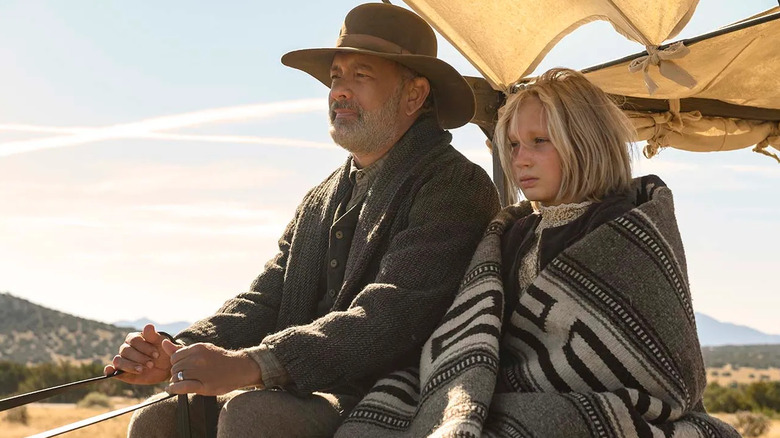
The "Toy Story" franchise notwithstanding, Tom Hanks has spent the better part of the last decade leading middle-of-the-road adult dramas with seemingly little hope at the box office in the post-Marvel movie business. Reuniting with Paul Greengrass ("Captain Phillips") for a grounded Western was an obviously creative-forward move. For as uneven as Greengrass treads within this new genre, Hanks delivers his best performance since "The Post," playing a Confederate soldier-turned-newsreader who chooses to take care of an abandoned child (Helena Zengel).
There really couldn't have been a worse time to attempt a full theatrical release for "News of the World" than the winter of 2020. It boldly staked a claim to Christmas Day, apparently hoping that intrepid audiences would be willing to brave cinemas (likely for the first time since the start of the pandemic) rather than stay indoors with their families, where new releases "Soul" and "Wonder Woman 1984" had just hit streaming. That the movie made even $12 million is, frankly, shocking, given that it was marketed toward the older and more vulnerable audience of moviegoers uniquely predisposed to flock to either a Tom Hanks drama or an adult Western.
Last Night in Soho
Universal Pictures
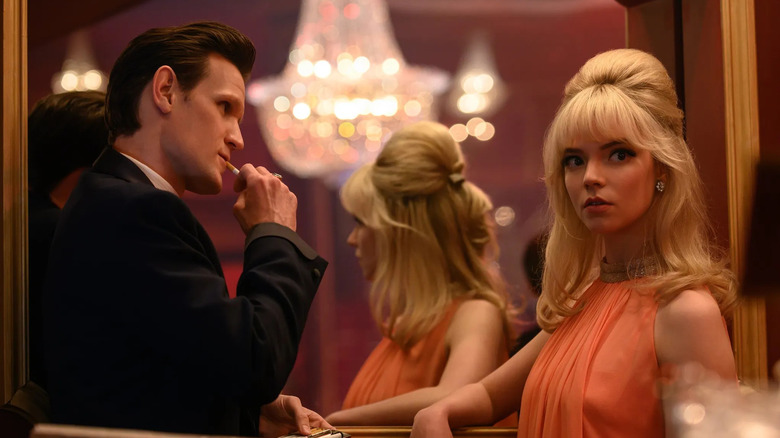
"Last Night in Soho" is one of the most distinct films of Edgar Wright's career. It continues his stylistic evolution beyond the Cornetto Trilogy (while keeping a few key ideas and flourishes central to his singular voice) and shouldn't be dismissed merely for not being "Baby Driver" or "Scott Pilgrim." It derives horror from contemporary anxieties similar to "Nightmare Alley," emphasizing our current obsession with nostalgia.
The case for "Last Night in Soho" is less clear-cut than other pandemic-era flops on this list. Against a budget of $43 million, it grossed about $23 million. Certainly, October 2021 had far from reset moviegoing expectations, but a horror feature from a mainstream auteur beloved by younger cinephiles should have been the kind of film to pull a crowd back to cinemas. The target audience isn't that far from that of "Dune," which premiered the same month.
At the same time, the marketing for "Soho" felt nothing like an Edgar Wright film. Divided reactions to the filmmaker's evolving style may actually have been what turned audiences away, with his subsequent project "The Running Man" meeting a similar reception critically and commercially.
Spencer
Neon/Topic Studios
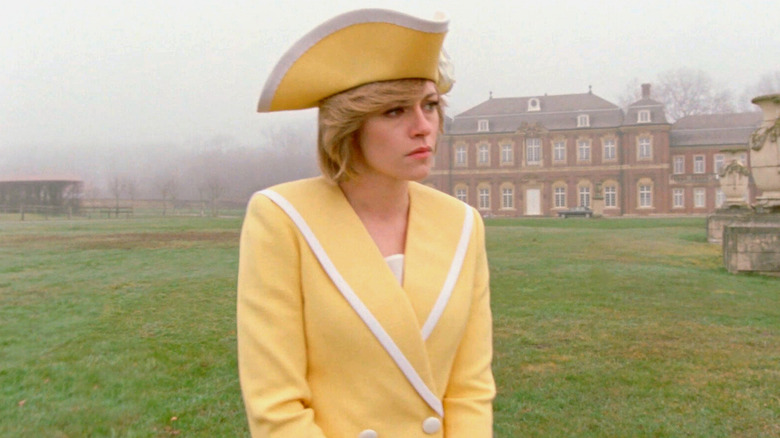
Casting Kristen Stewart as Princess Diana in "Spencer" was an inspired choice. She earned her first Oscar nomination for the 2021 biopic, which was designed around deconstructing the royal fantasy that continues to mystify the woman at the heart of the story. Stewart's performance and Steven Knight's ("Peaky Blinders") screenplay brilliantly humanized Diana by attempting to explore the personal emotional reality of her experience, rather than examine her role as a character in a grand historical tragedy (see: "The Crown").
Given its relatively modest budget, "Spencer" wasn't a financial disaster in the same way other films on this list were. It grossed $25 million against a budget of $18 million — which likely resulted in a loss for the studio after they factored in marketing and distribution costs.
It hit theaters in early November 2021, having to compete with other awards-season contenders throughout the month (including "King Richard" and "Licorice Pizza," both of which flopped much harder with larger budgets). With how popular royal family period pieces have been throughout the past two decades, it's hard to imagine a Kristen Stewart-starring Princess Di biopic not performing significantly better in any other year.
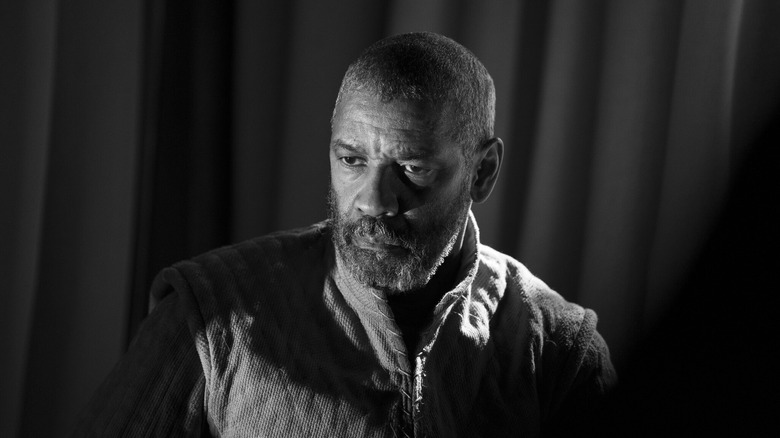
The Tragedy of Macbeth
Apple TV
It's difficult to find a more understated way for Joel Coen to make his solo feature directorial debut than with "The Tragedy of Macbeth," a Shakespeare adaptation that shares mostly thematic commonality (guilt, conspiracy, murder) with his broader filmography. Known for his highly stylized, almost affected narrative presentation in his projects with his brother, Coen remarkably chose to constrain himself to the visuals of a medieval period piece and the rhythm and text of the Bard. The result is a dazzling, surreal masterpiece, made stronger by a career-high performance from Denzel Washington.
Streaming solidified its grip on the future of cinema during the pandemic. Many lauded films like "Macbeth" had their releases blunted by last-minute streaming acquisitions and pivots. A24 co-produced "Macbeth" with Apple TV, who predictably chose to prioritize subscribers with an extremely limited theatrical release, which was essentially only granted to qualify for awards consideration. It reportedly grossed just over $500,000.
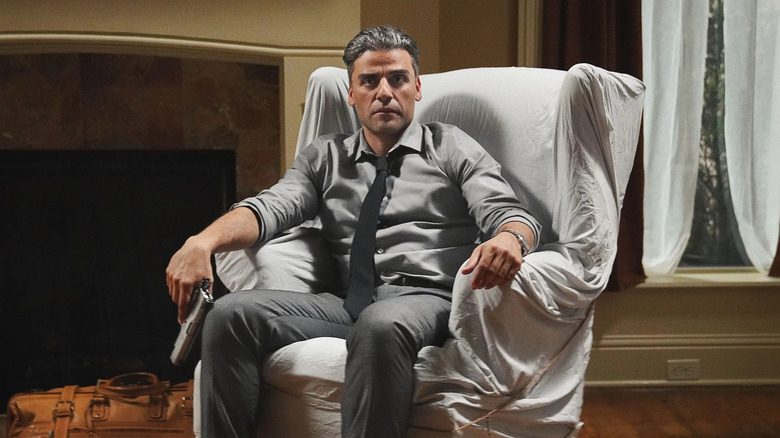
The Card Counter
Focus Features
If nothing else, "The Card Counter" came at the perfect moment for Oscar Isaac. The actor had just finished an extensive (and, from a creative-fulfillment perspective, undoubtedly mixed) tenure in sci-fi land via "Star Wars" and "Dune," and "Moon Knight" was already in the works as well. Partnering him with a director as subtle and character-focused as Paul Schrader must've felt like re-entering the atmosphere for the actor, the overwhelming intensity and relief of which is evident in Isaac's exhaustive performance in a film that was destined to be overlooked. As gripping as this anti-revenge thriller was, it always had a low commercial ceiling.
Schrader has seldom helmed mainstream blockbuster hits. "The Card Counter" grossed $5 million against an unknown budget — "First Reformed," easily Schrader's most popular film of the past decade, made only $4 million off of a budget of $3.5 million. Even so, the former film came and went without much of a trace, dumped into theaters during the sleepy September of 2021.
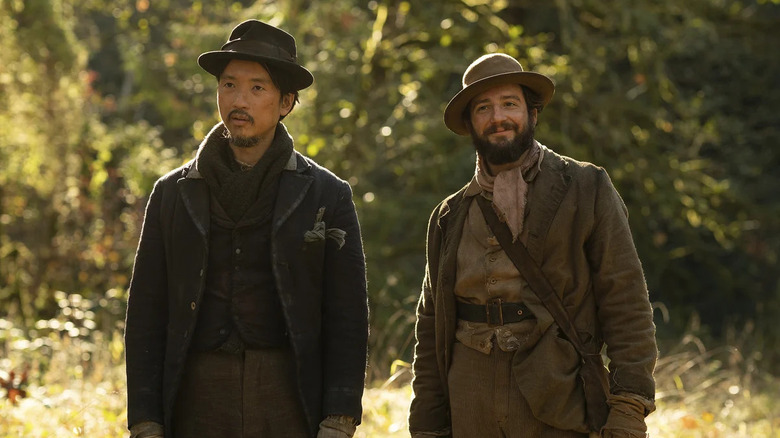
First Cow
A24
Though she hasn't broken fully into the mainstream as of writing, Kelly Reichardt is a reliable, confident indie filmmaker with several successful projects under her belt (most recently, the Josh O'Connor drama "The Mastermind"). Her films normally stay within adult cinephile circles and gross in the low-seven-figure range, but "First Cow" had the potential to be her breakthrough.
Arguably one of the greatest slow-burn movies ever made, it essentially explores the urgency of modern economic struggles by mapping them onto a story set in the unforgiving (yet eerily familiar) 19th century. At the same time it argues society has always suffered from the same exploitation and desperation it faces now, it offers that human decency is just as enduring.
"First Cow" was one of the first films to be blindsided by COVID, as A24 sent it to theaters on March 6, 2020 (the same date as Disney and Pixar's "Onward"). Pandemic concerns were certainly present, but there was about a week before widespread lockdowns would become the norm. To the distributor's credit, they quickly changed course once it was clear audiences wouldn't be able to return to theaters any time soon, making "First Cow" available on VOD services in the summer. Many distributors were doing the same, however, overwhelming consumers with novel, paid content when they were already diving into the streaming catalogs they'd previously neglected. It grossed $1.3 million against a budget of $2 million.
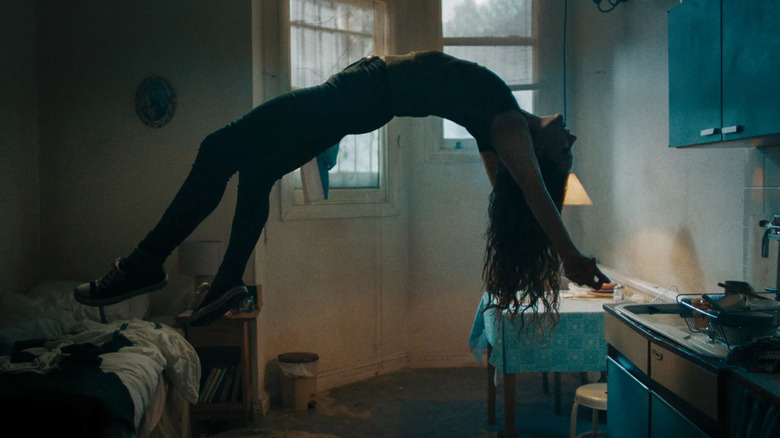
Saint Maud
StudioCanal
Rose Glass' tight, terrifying directorial debut "Saint Maud" was one of the more anticipated indie projects of 2020. Based on a true story, its unsettling examination of faith in the face of certain death became all the more effective (and, admittedly, difficult to witness) as both the pandemic and the conspiracies surrounding vaccinations forced the world into similar internal conflict.
"Saint Maud" received critical acclaim and a distribution deal with A24 after its festival premiere in the fall of 2019, only for COVID to force A24 to lock it away for over a year. Its wide release was postponed several times throughout 2020 until it was ultimately sent to select theaters in January 2021. Two weeks later, it was available to purchase on VOD platforms. Chloé Zhao's "Nomadland" experienced a nearly identical journey toward its own early-winter 2021 release and went on to gross over $39 million, win Best Picture at the Academy Awards, and launch Zhao's filmmaking career into the stratosphere. "Maud" grossed $1.6 million against a budget of $2.5 million, but Glass has since directed the modest 2024 feature "Love Lies Bleeding."
Pig
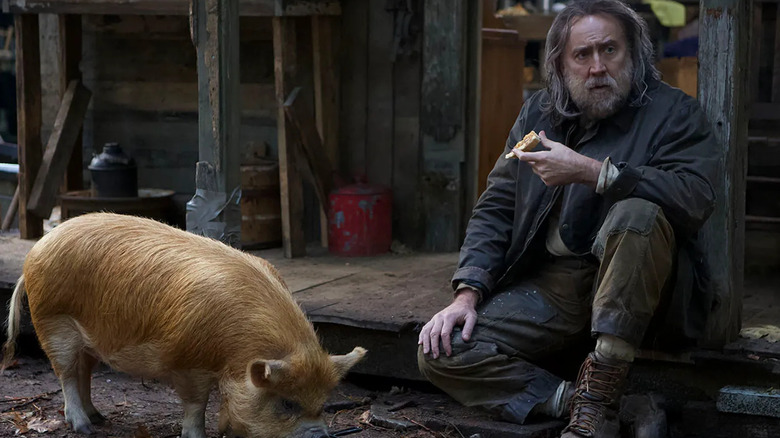
Neon
Petite Maman
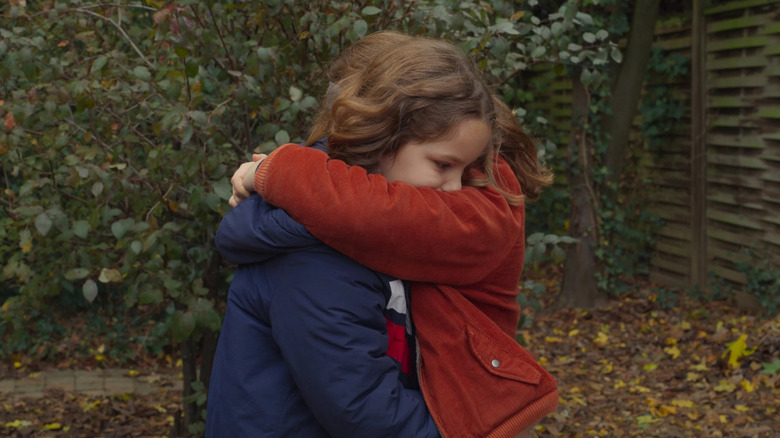
Pyramide Distribution
Right before the pandemic hit, French writer-director Céline Sciamma broke through to international audiences with "Portrait of a Lady on Fire." There were likely people across the globe experiencing her work for the first time on a streaming service in lockdown, and yet it's still likely they overlooked the equally stirring "Petite Maman."
Released domestically in the spring of 2021, it's a fantastical drama about an eight-year-old girl (Joséphine Sanz) who miraculously encounters and befriends an eight-year-old version of her own mother (Gabrielle Sanz) while visiting her childhood home. As they play, the unlikely pair support each other in grief, shame, regret, and anxiety about the future, through which Sciamma invites the viewer to imagine such eternal, complicated problems through the clear eyes of a caring child. A $2 million box office haul on an arthouse budget/distribution circuit is far from a travesty, but its lack of a meaningful theatrical release in the U.S. prevented it from registering with those aware of Sciamma's "Portrait."
Wolfwalkers
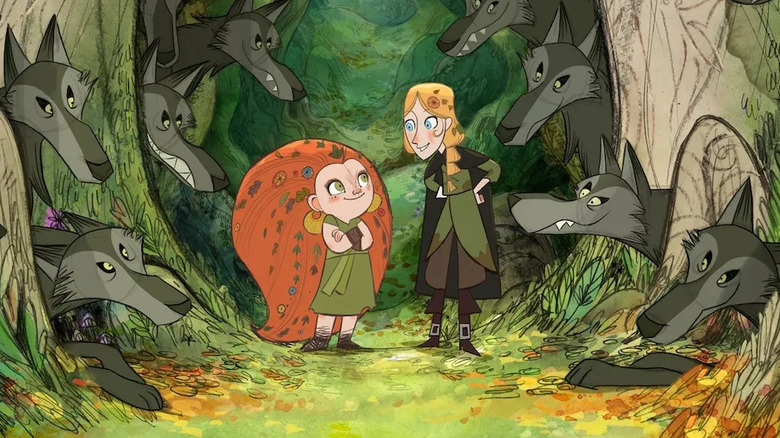
Apple TV
The story of "Wolfwalkers" is, in many ways, similar to that of "Petite Maman." It too was the next project after an international breakthrough — in 2017, Irish animation studio Cartoon Saloon put out their most financially successful film yet in "The Breadwinner" (it earned about $2.7 million worldwide against a budget of $1 million, and it's not the Nate Bargatze comedy of the same name).
With that confidence (and a preemptive deal with Apple), they produced "Wolfwalkers" at a budget of $10 million, an all-time high for the studio. That leap in financing is visible on the screen, with their usual storybook-like aesthetic imbued with more intricate and lavishly detailed animation compared to their earlier Irish folktale films. The superb "Wolfwalkers" lived up to the standard set in the post-"Spider-Verse" era of the medium while still maintaining and refining its own distinct visual style.
Whether Apple would've ever given "Wolfwalkers" the proper wide theatrical release it deserved is up for debate. As it stands, it was only able to gross $1.3 million. It also had to compete for eyeballs (on Apple's relatively young platform, no less) against countless other animated films similarly dumped onto streaming after the success of "Trolls World Tour."
Never Rarely Sometimes Always
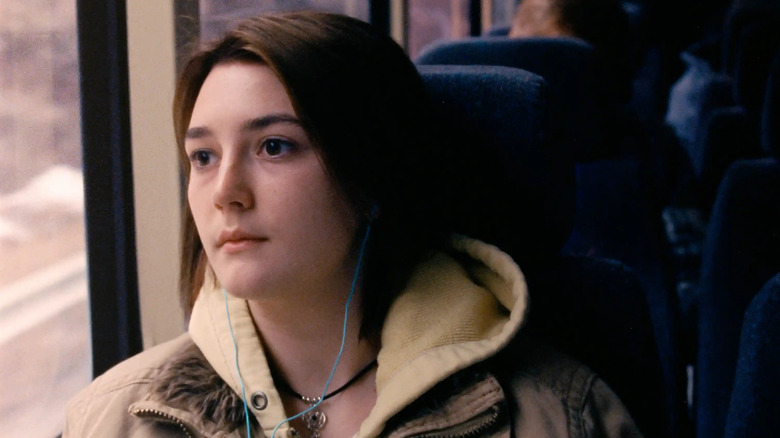
Focus Features
"Never Rarely Sometimes Always" was one of the most critically acclaimed films of 2020, perhaps even one of the most unanimously lauded of the decade so far. Eliza Hittman's drama about two young women navigating America's abortion system is intentionally harsh and unforgiving, reflecting not only the plight of people in need of such healthcare, but the systems and society responsible for keeping it out of reach. Its focus belies how much ground the film actually covers.
In a normal release year, it would've taken that extraordinary word-of-mouth to a tidy box office profit. An Academy Award run was never really in the cards, but this is exactly the kind of buzzy success that would've launched Hittman to the next phase of her career commercially.
Tragically, "Never Rarely Sometimes Always" landed in theaters on March 13, 2020 — arguably the worst release date in the history of American cinema. Theaters shut down almost immediately, forcing a VOD pivot that the film never recovered from. It grossed less than $900,000 worldwide. Hittman has since directed and produced for Peacock's "A Friend of the Family," but has yet to return to the big screen.





 English (US) ·
  Indonesian (ID) ·