
 2 months ago
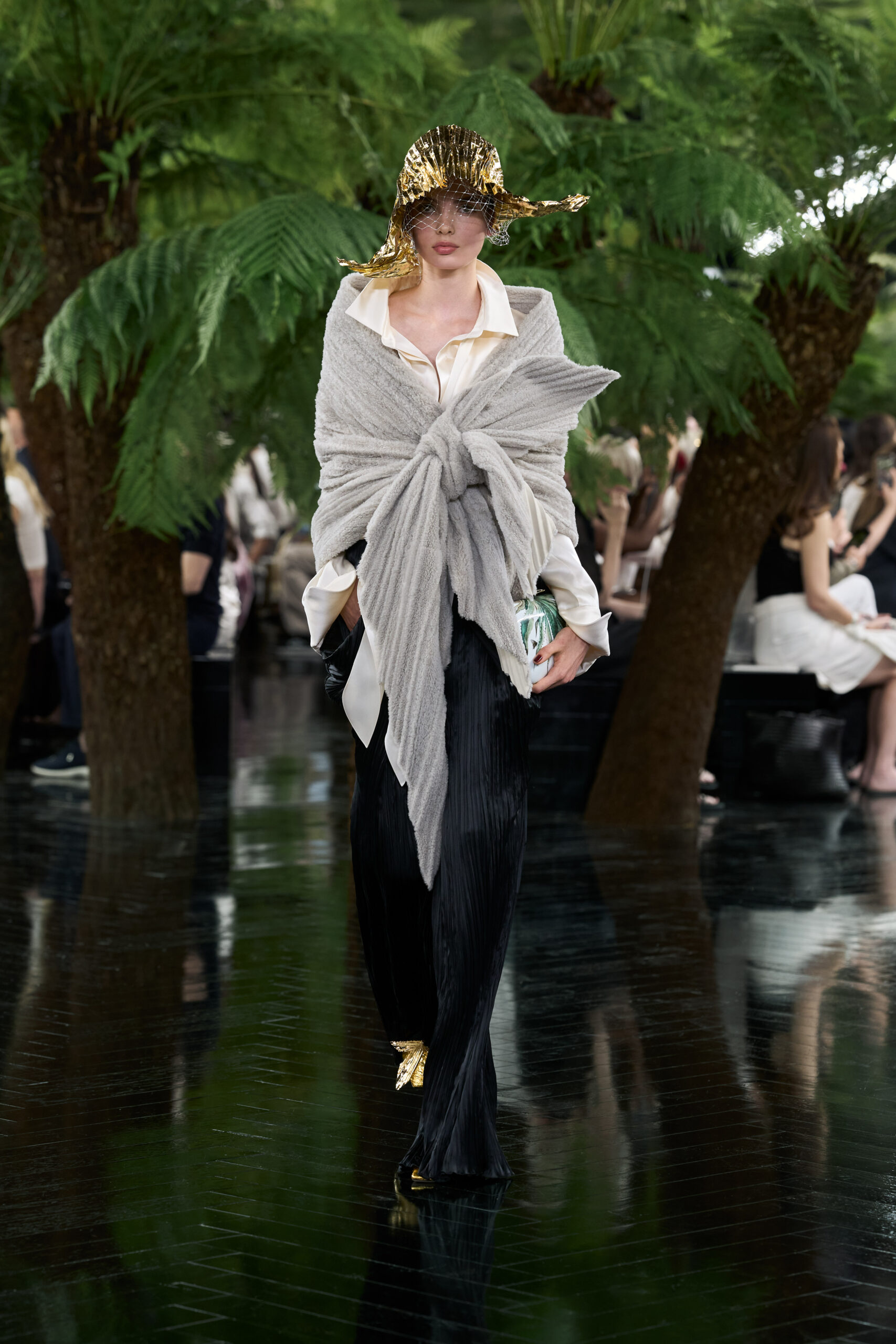 Dior Haute Couture 2026/2027 / All images: Dior
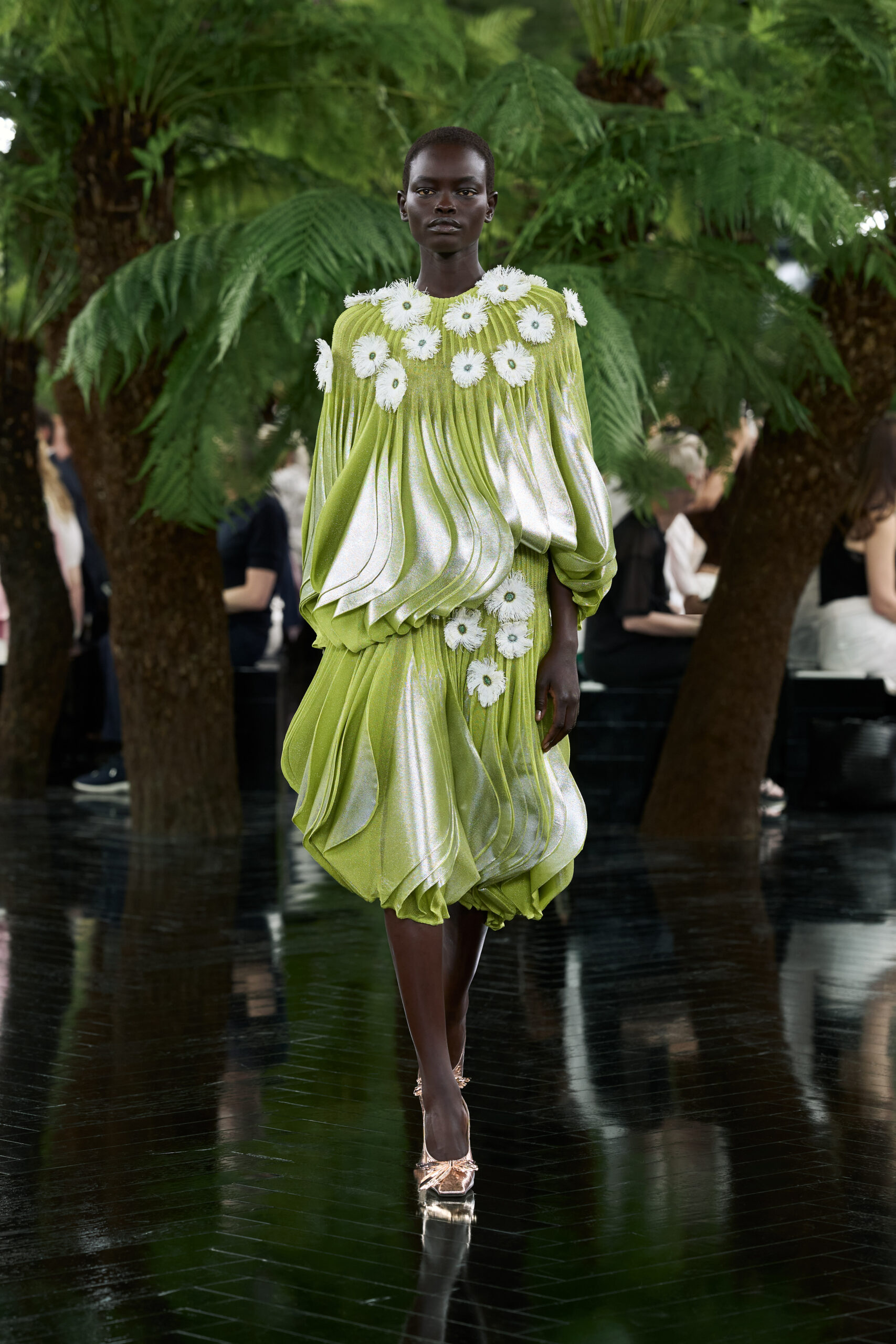
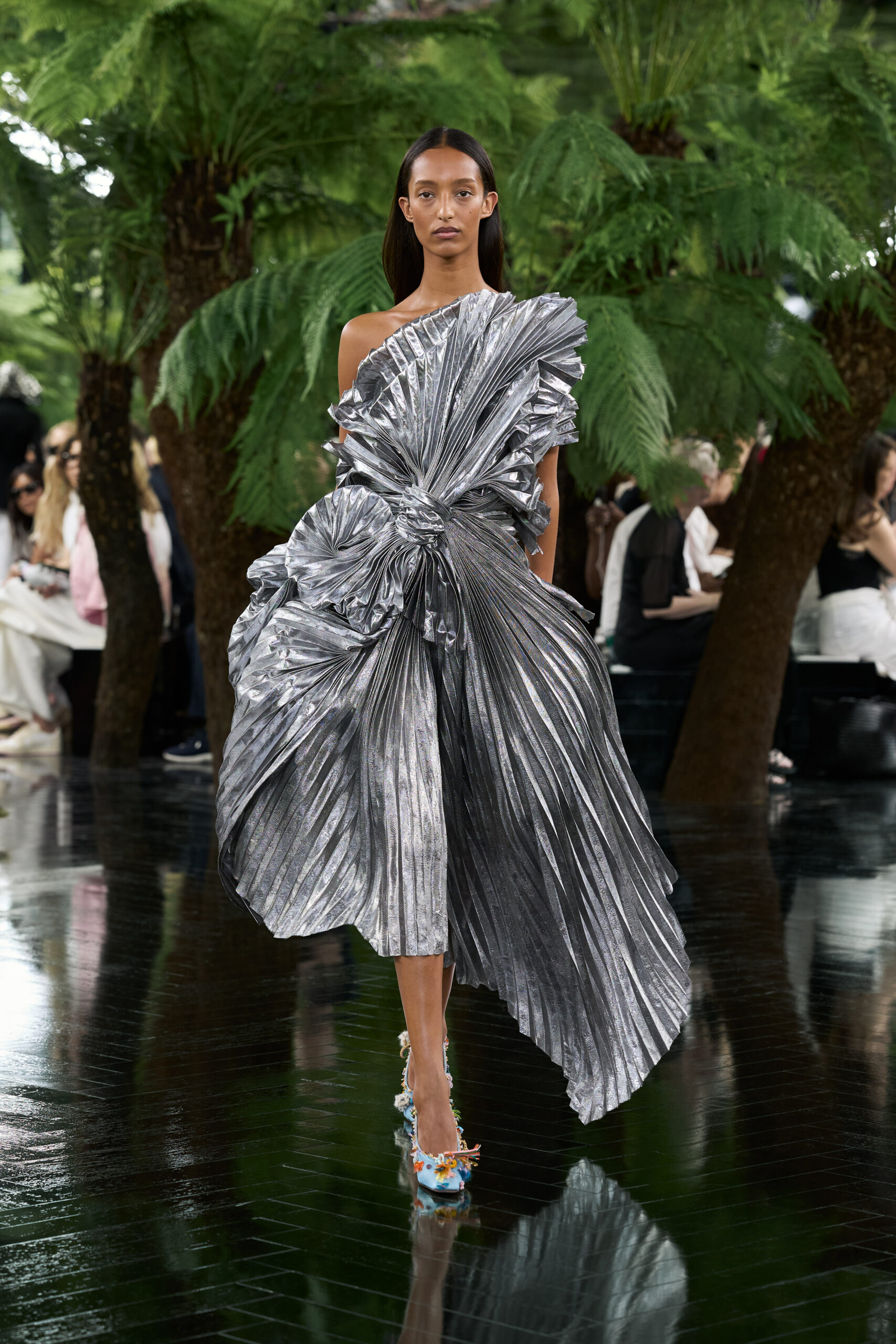
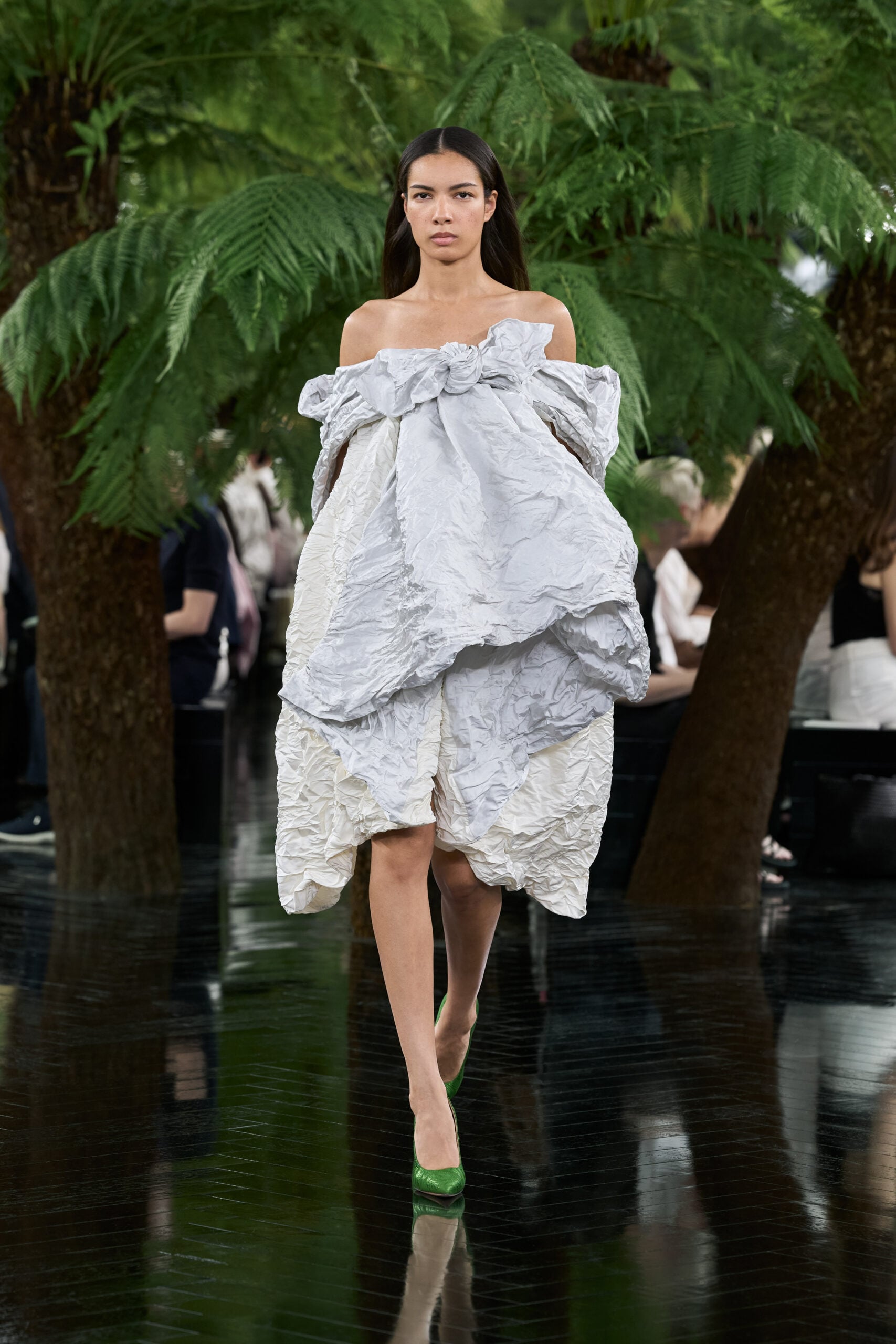
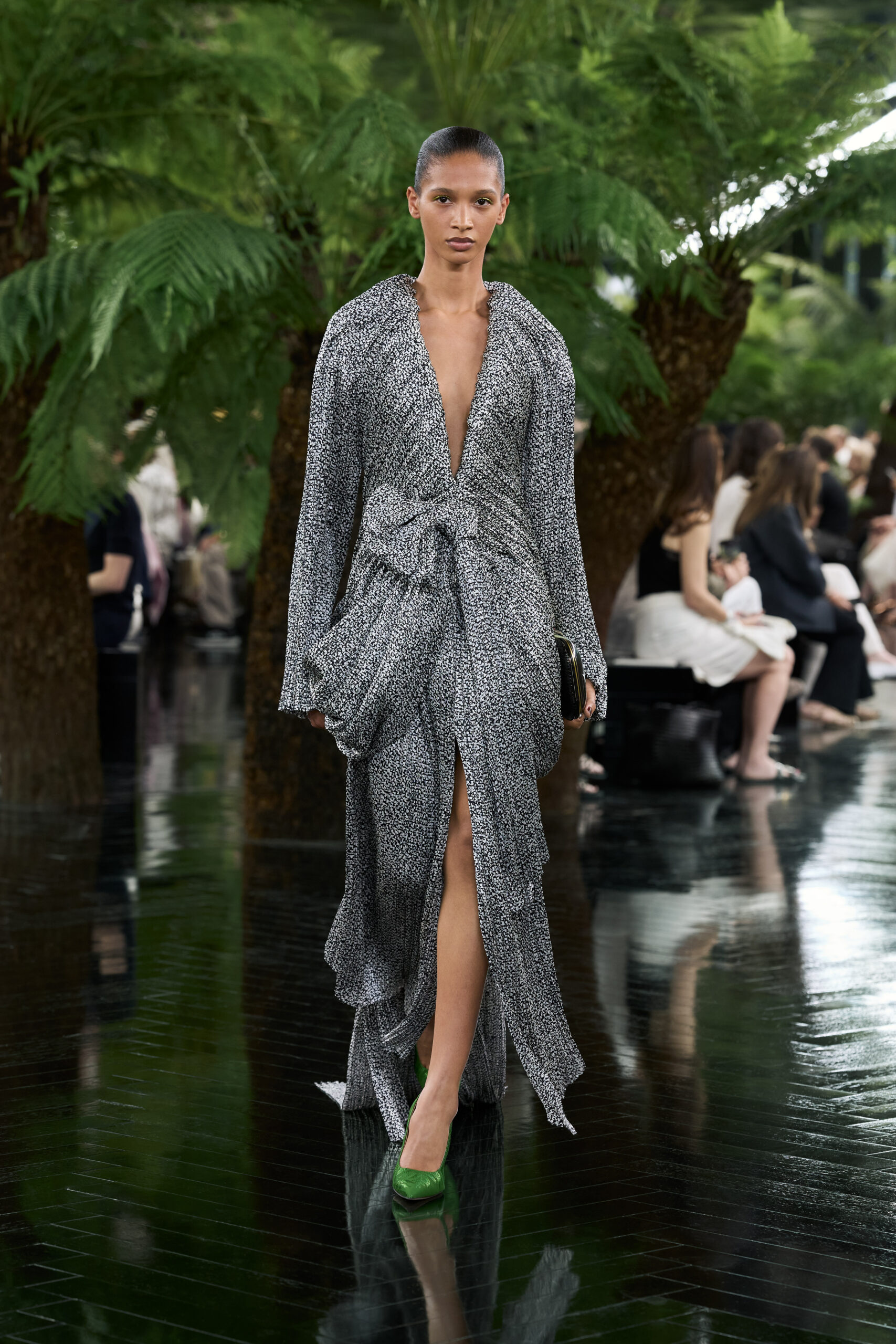
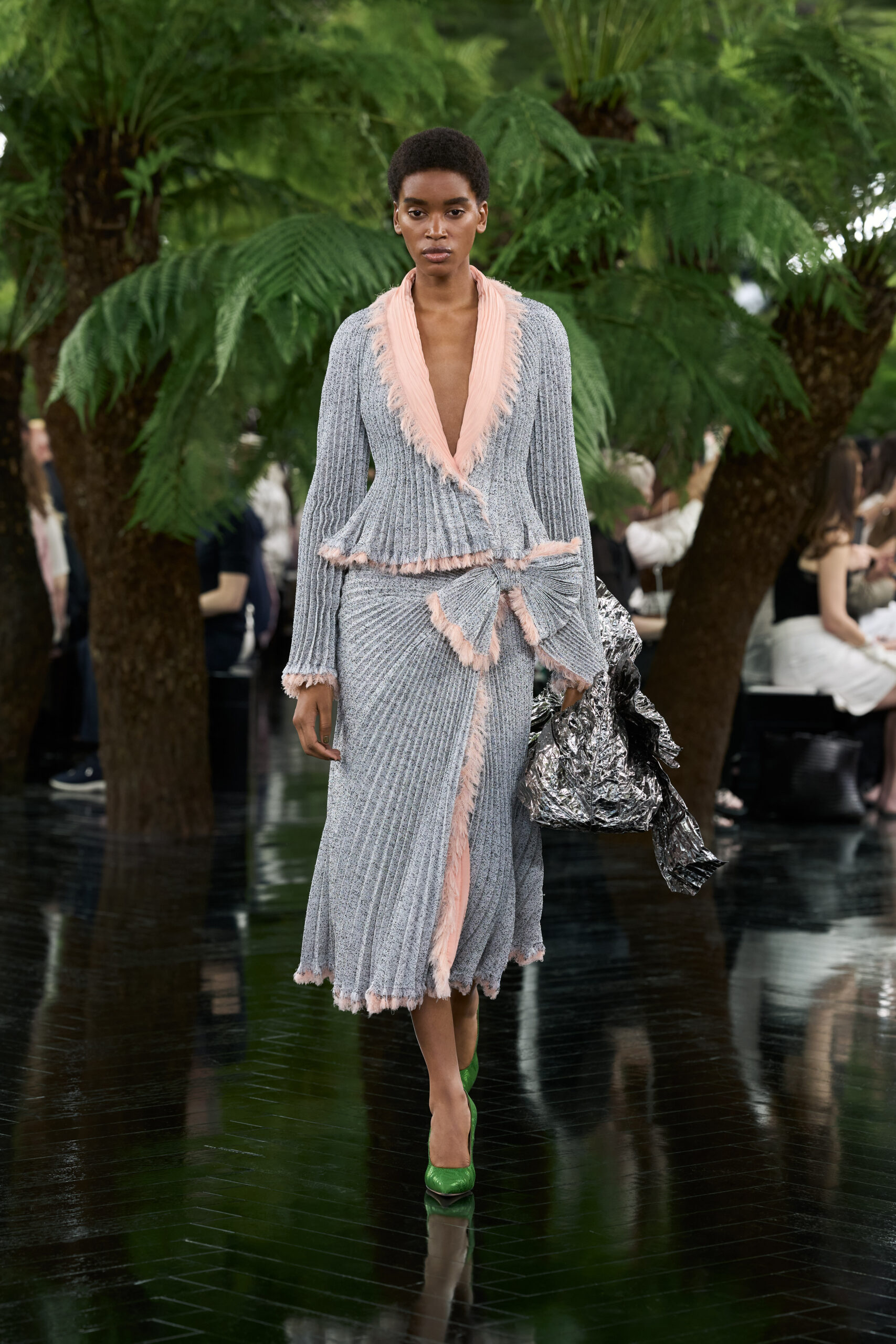
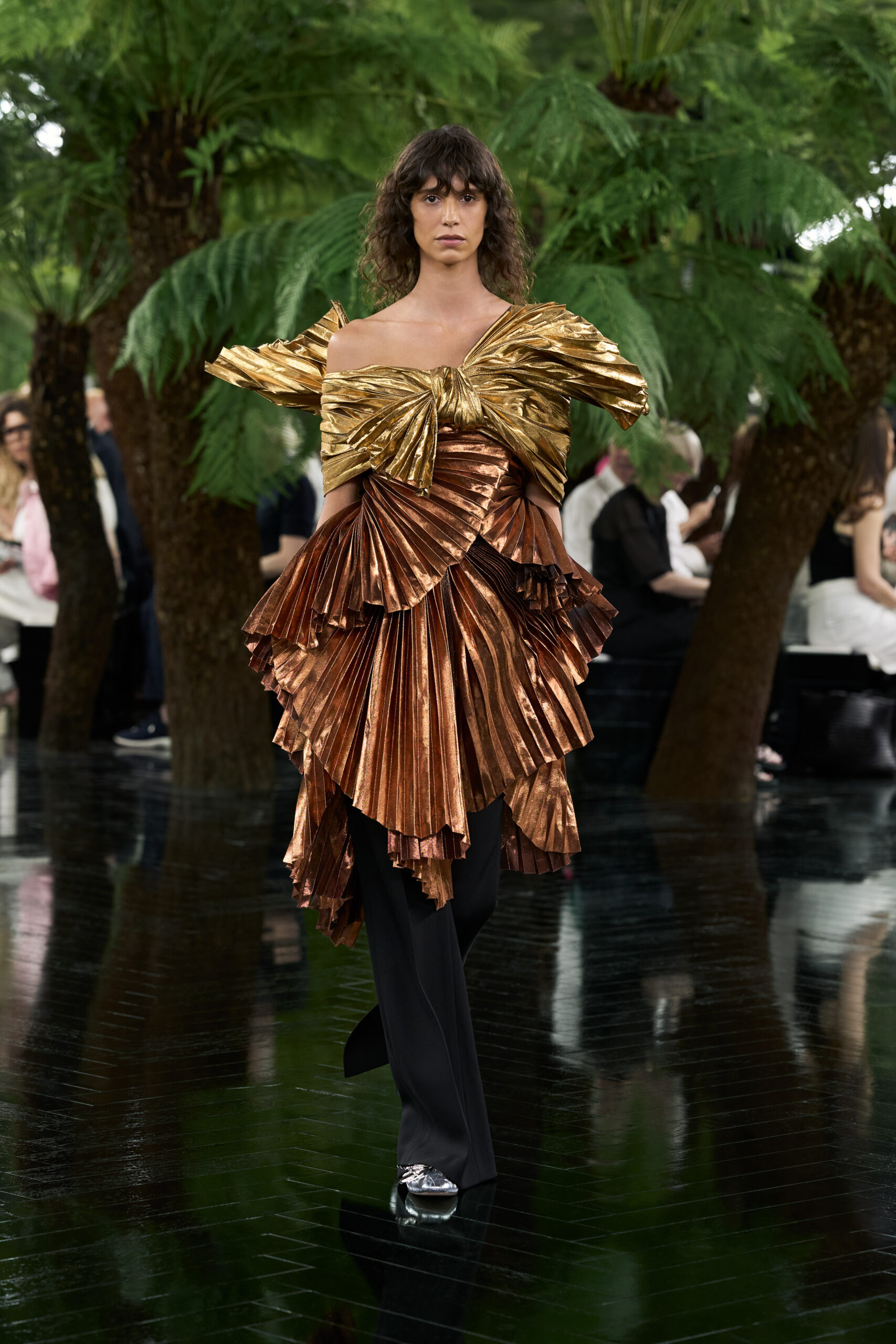
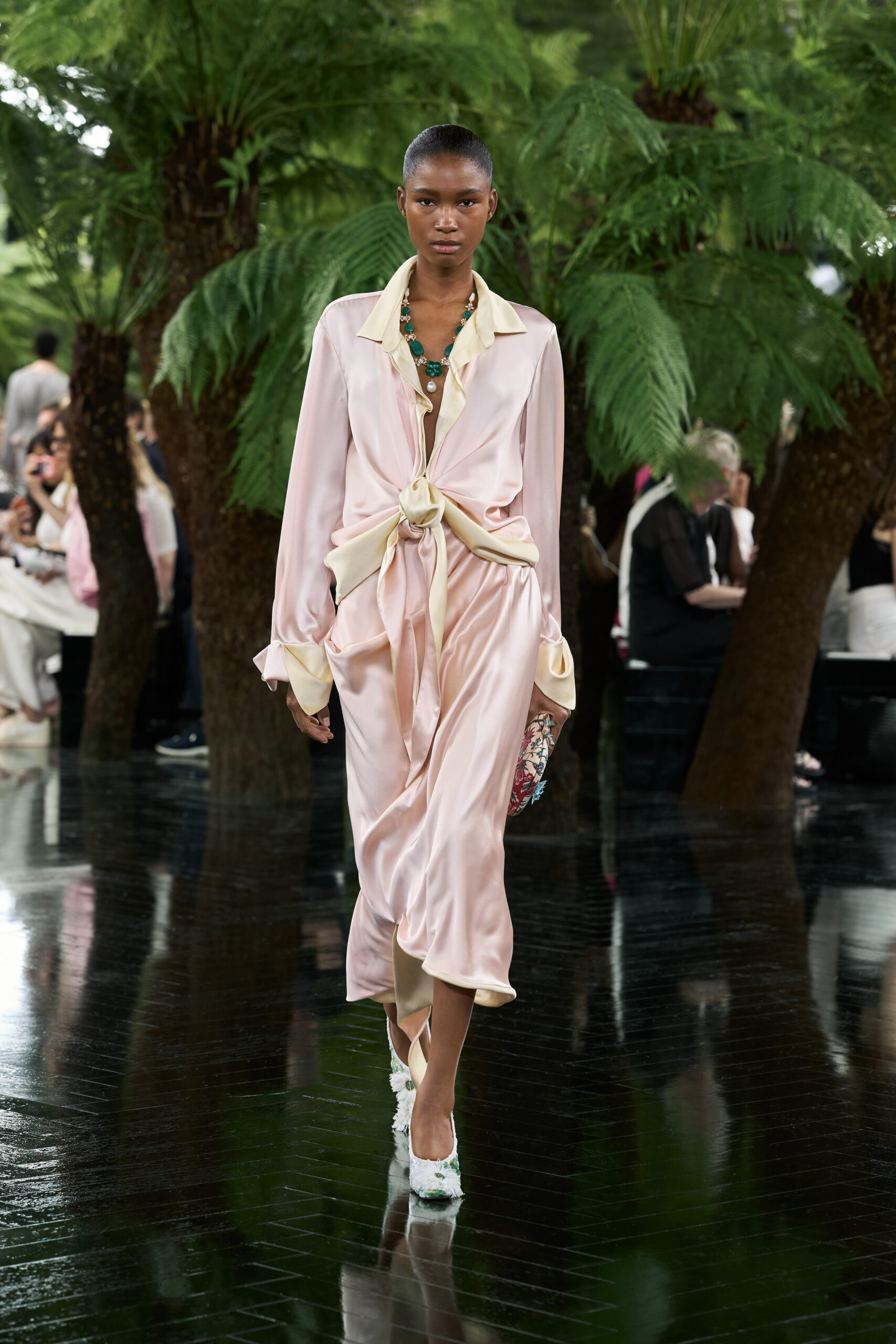
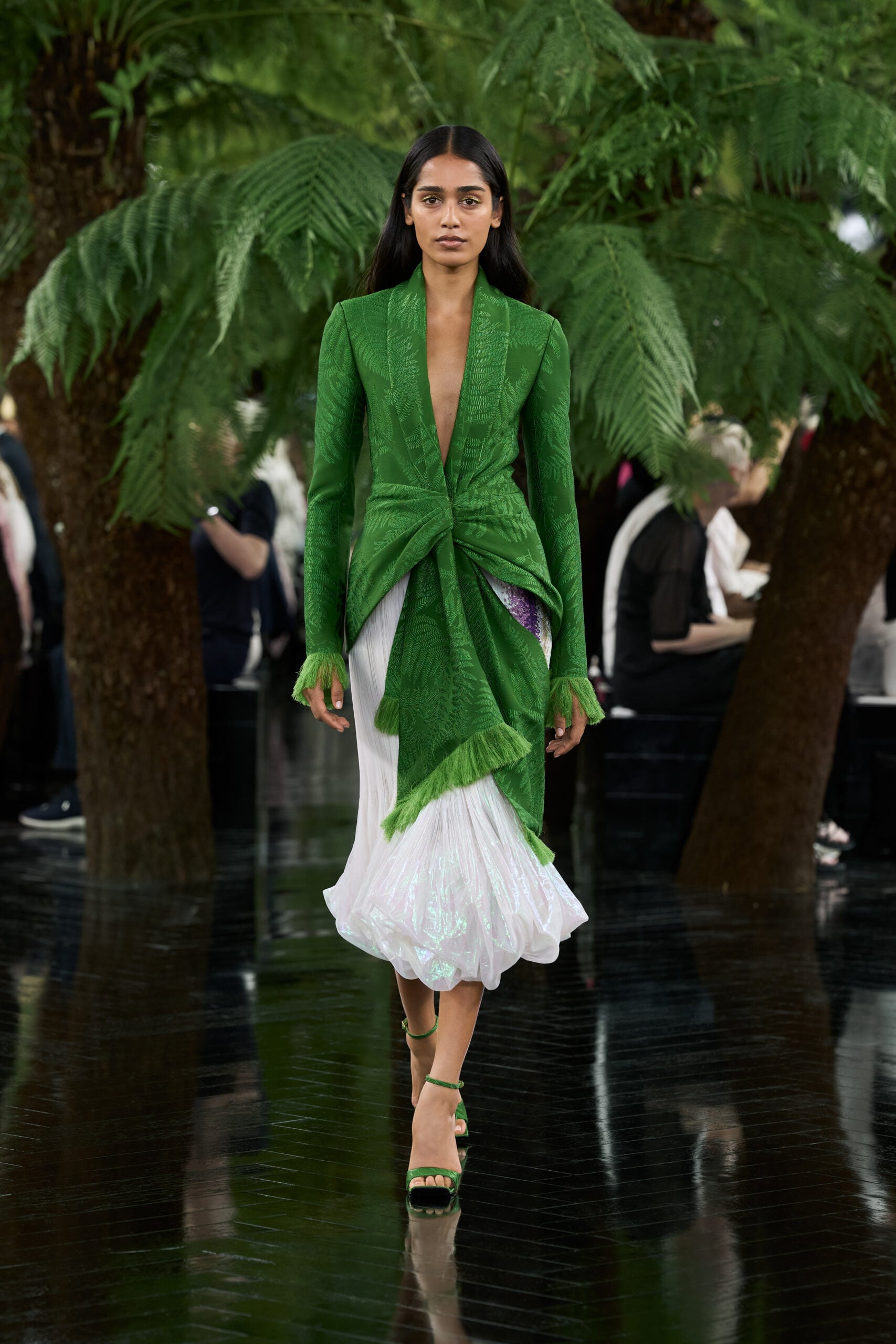
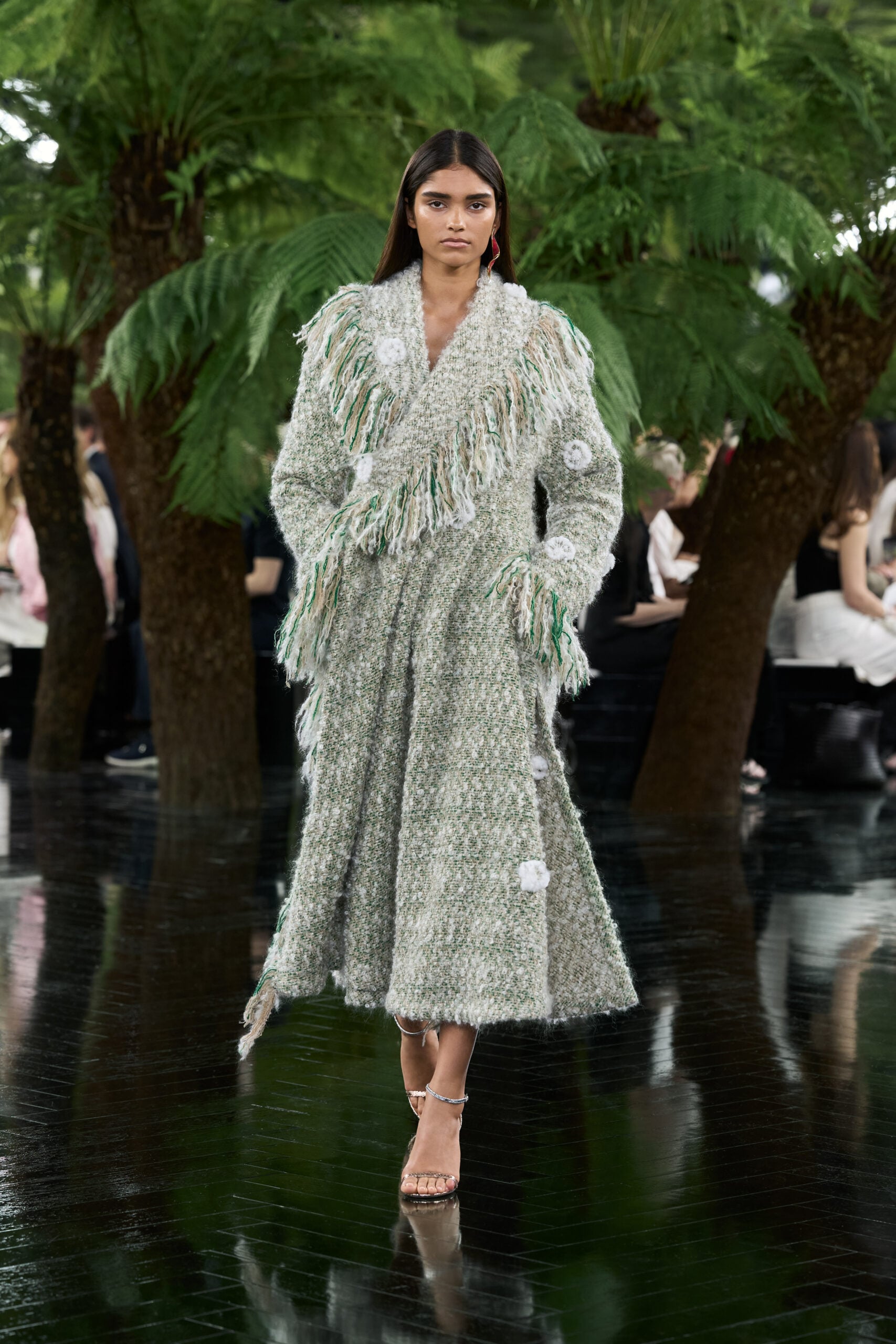
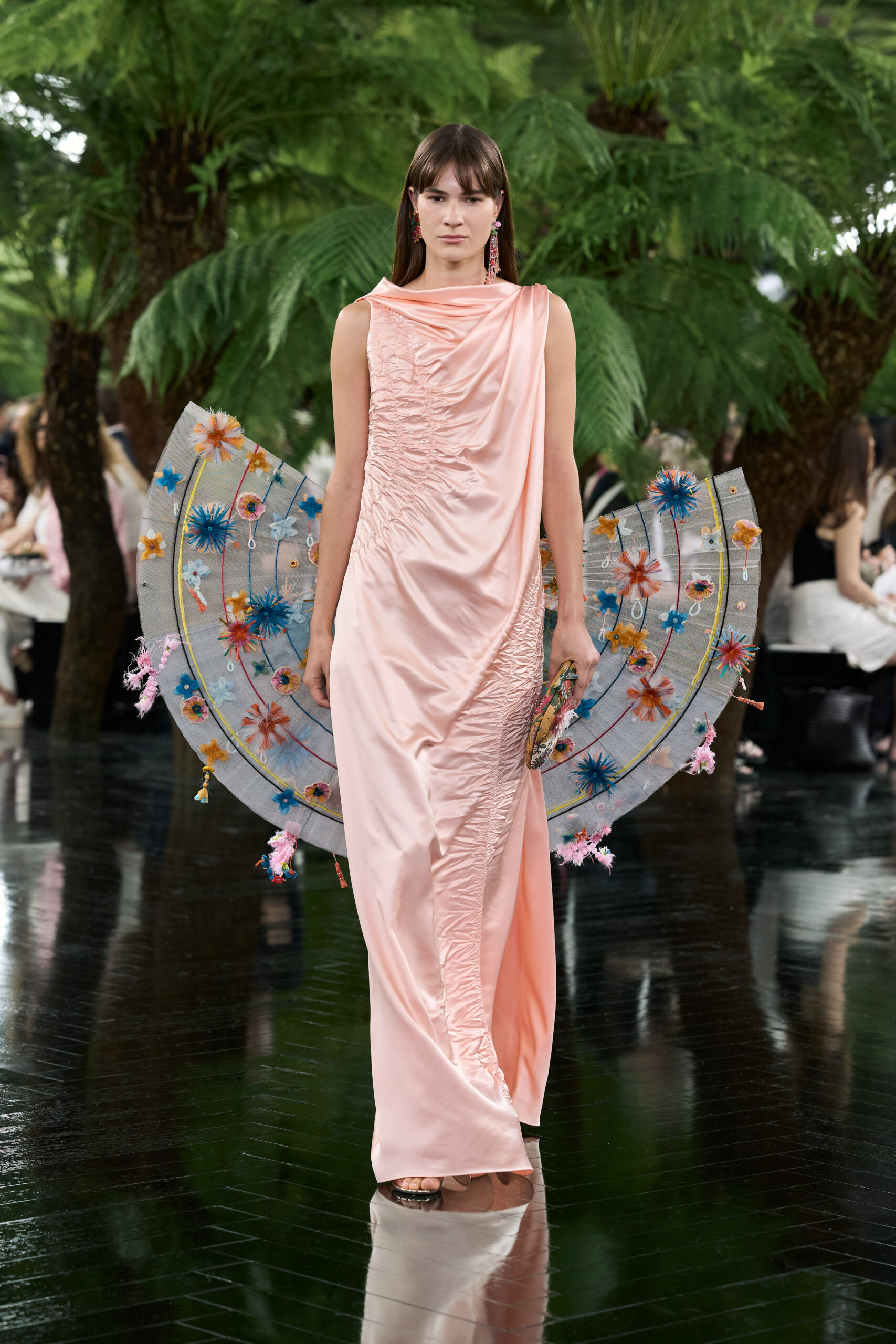
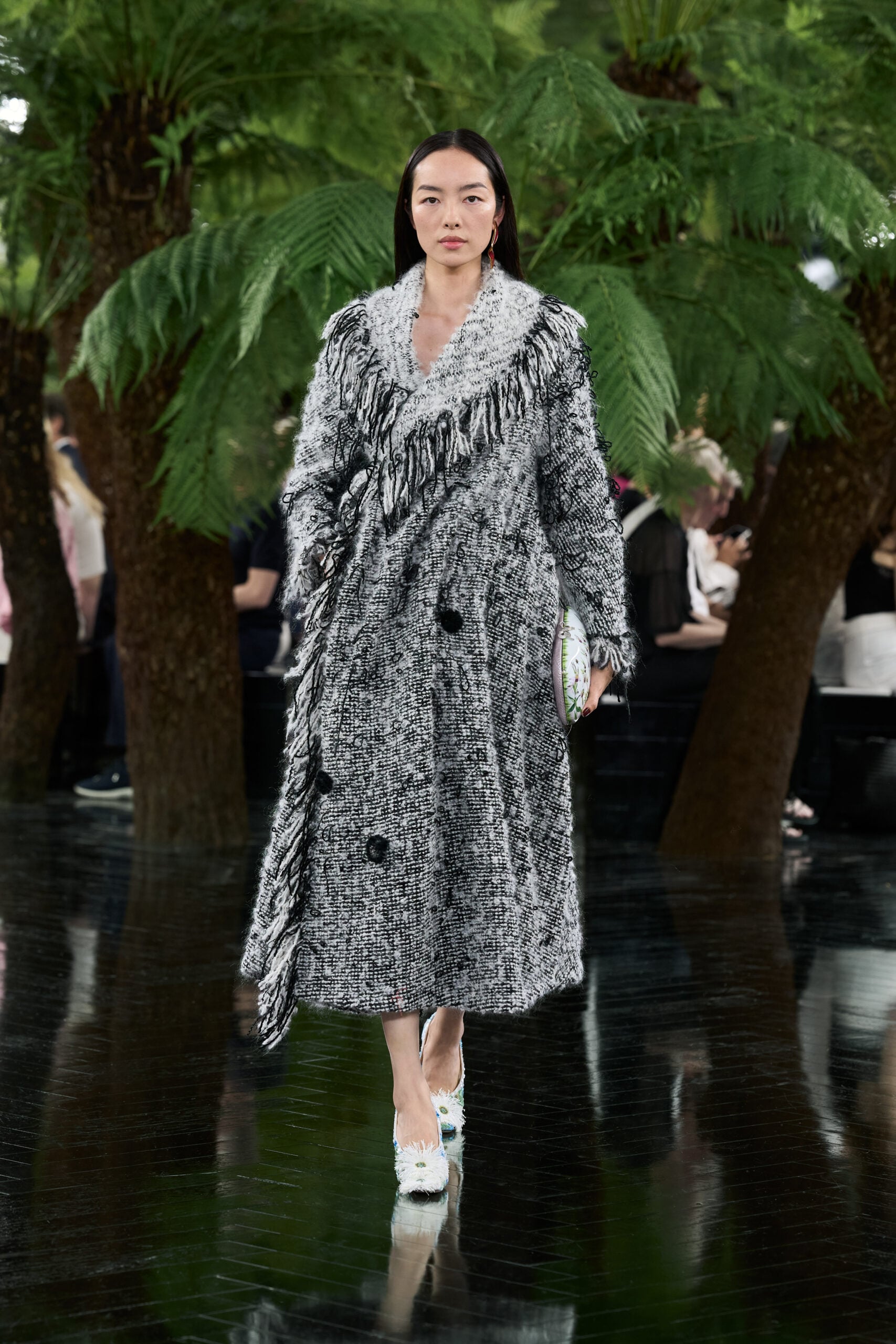
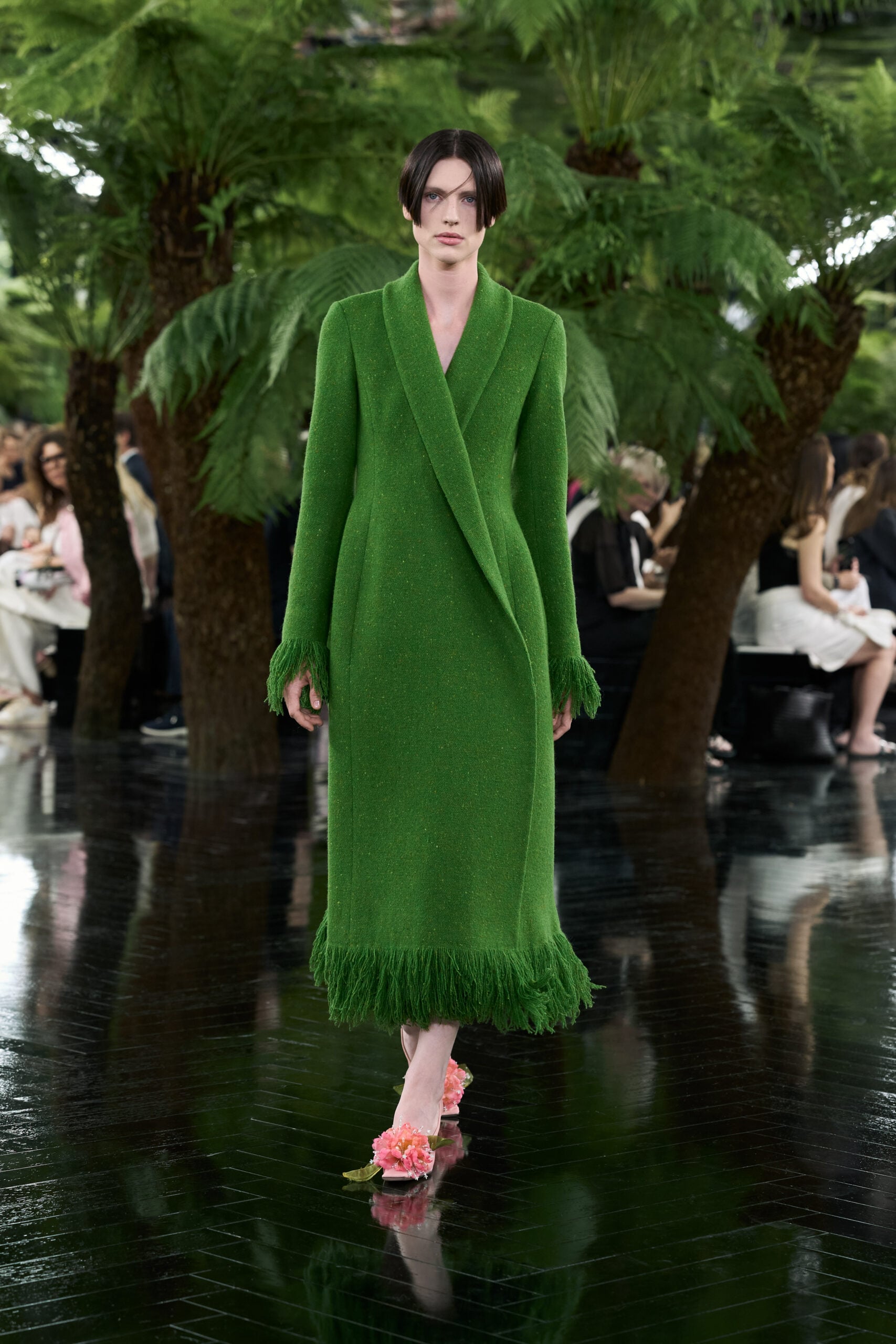
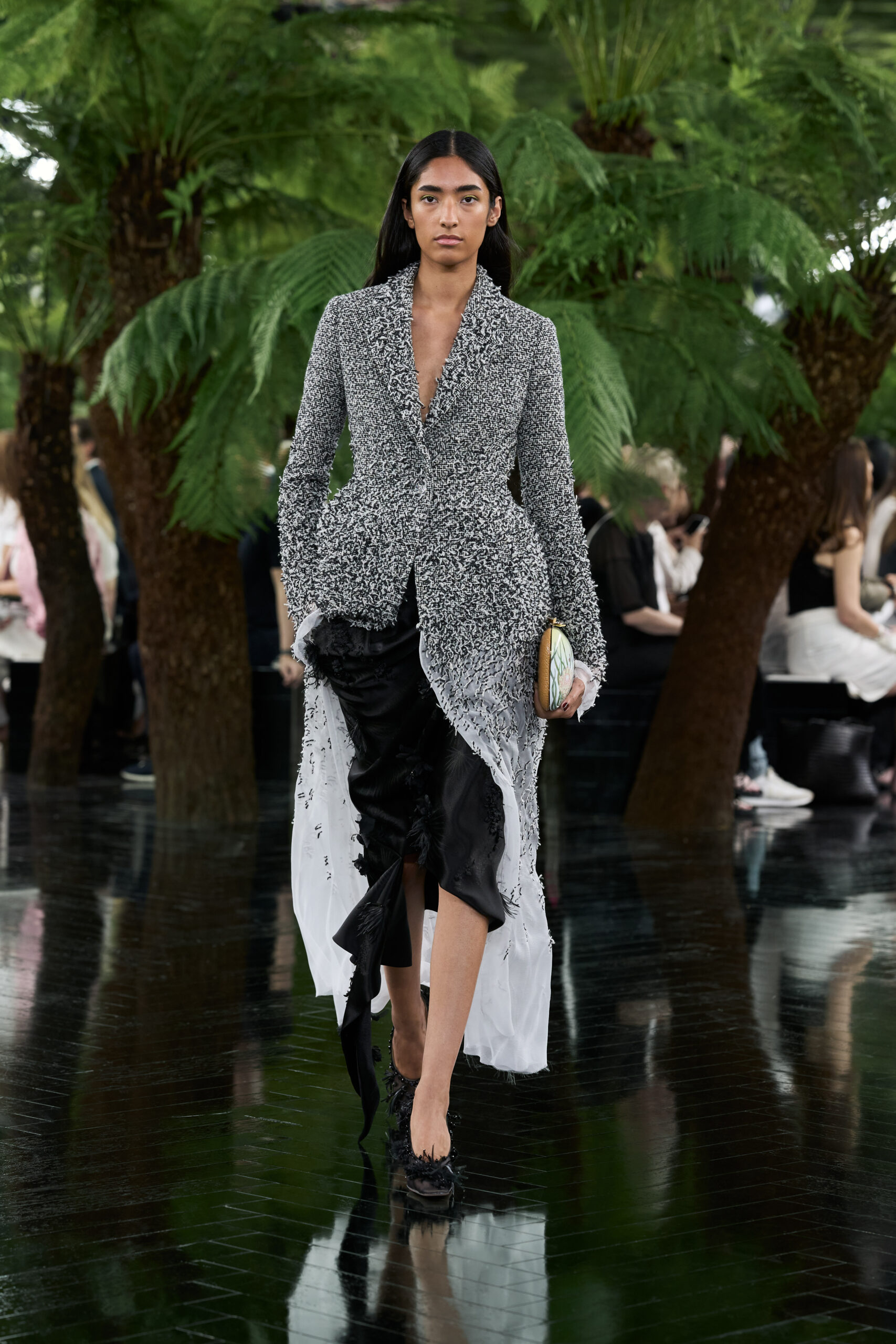
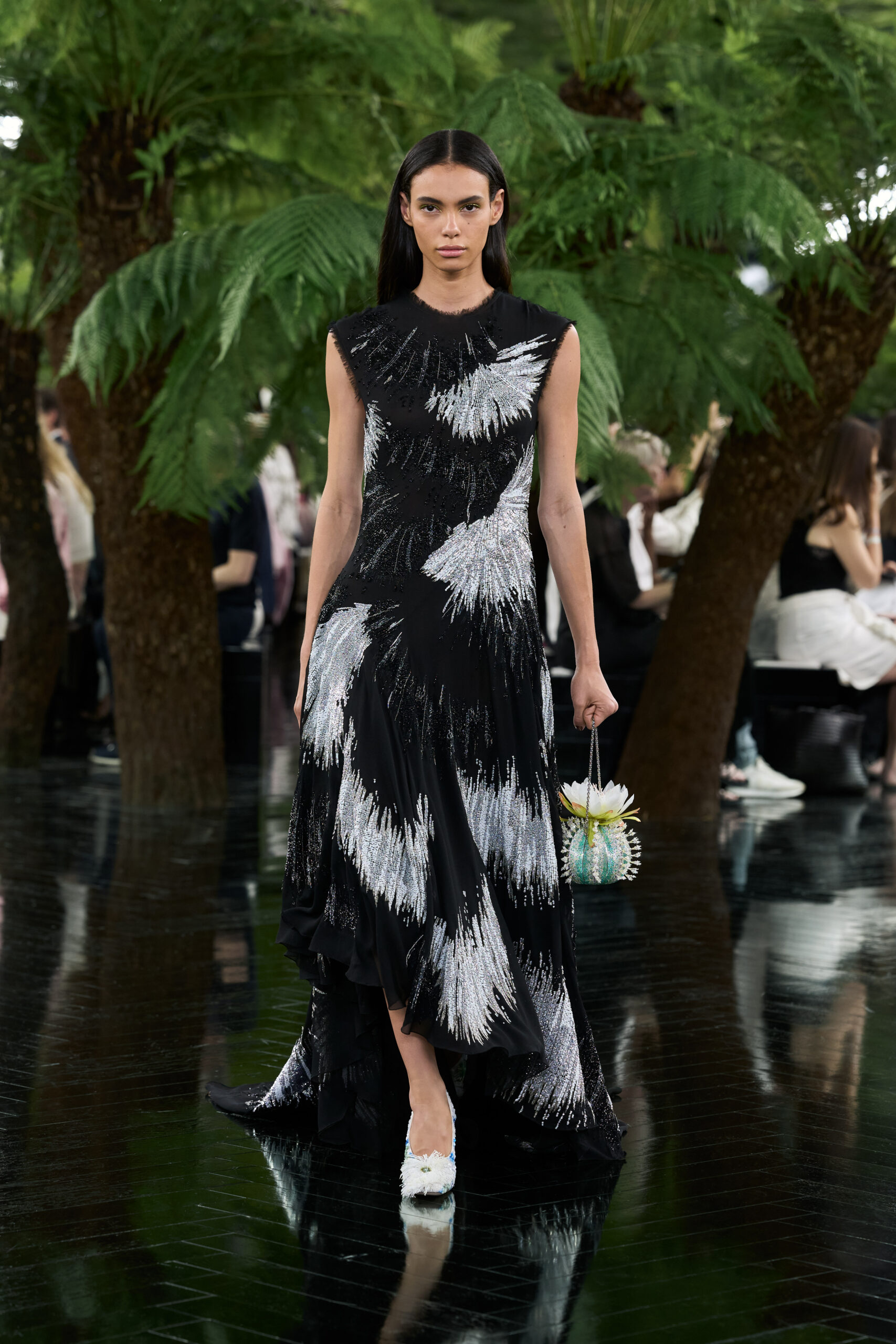
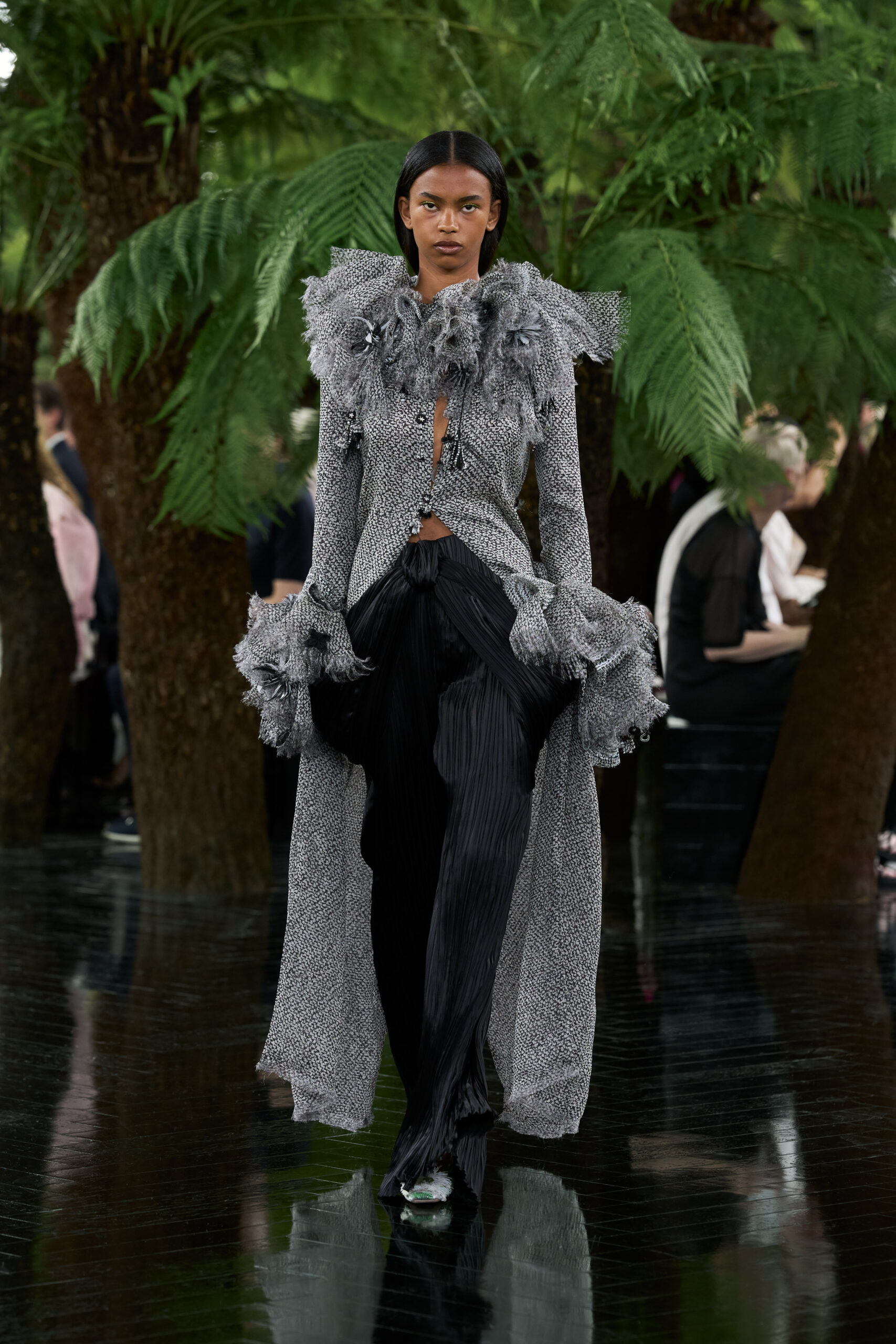
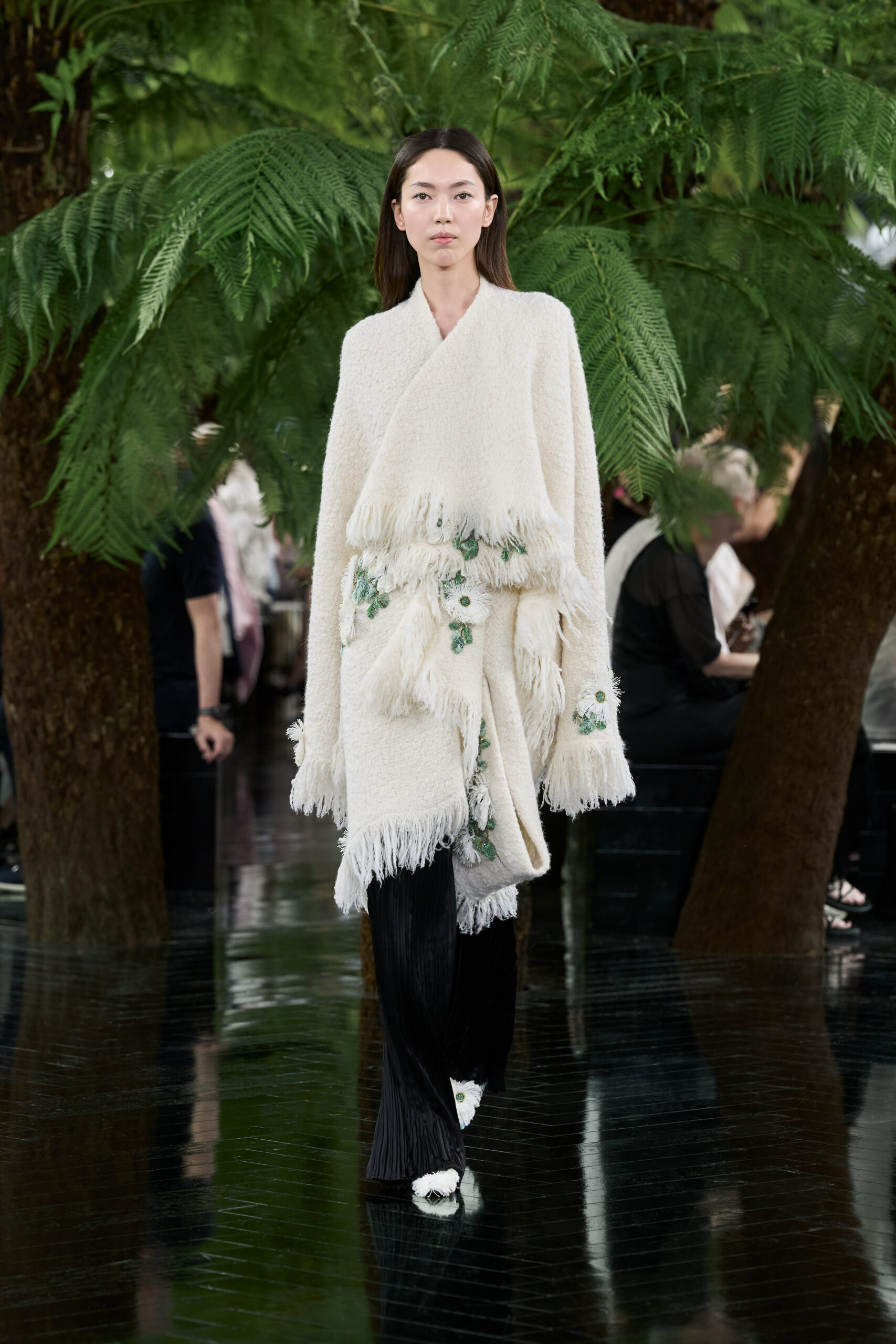
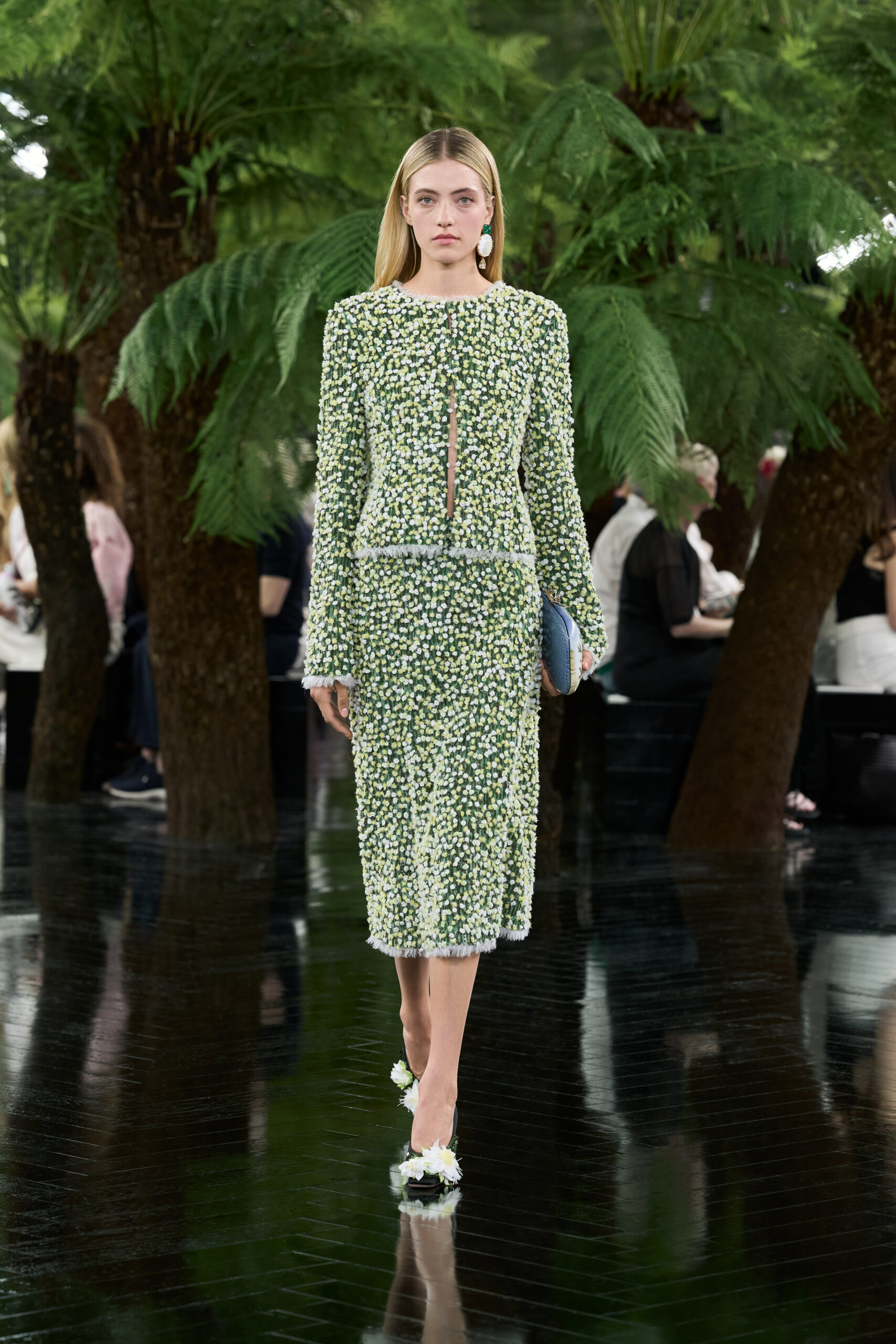
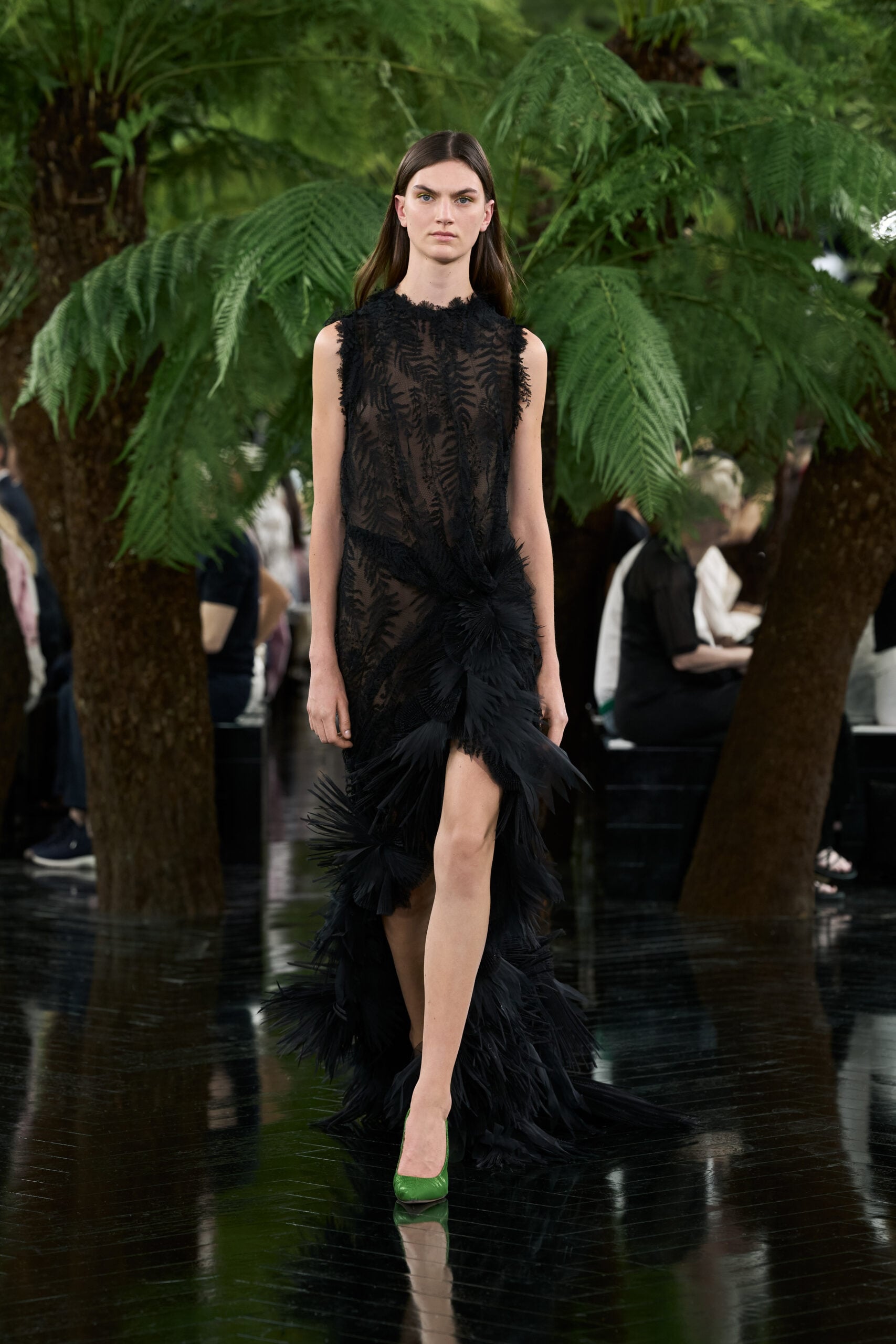
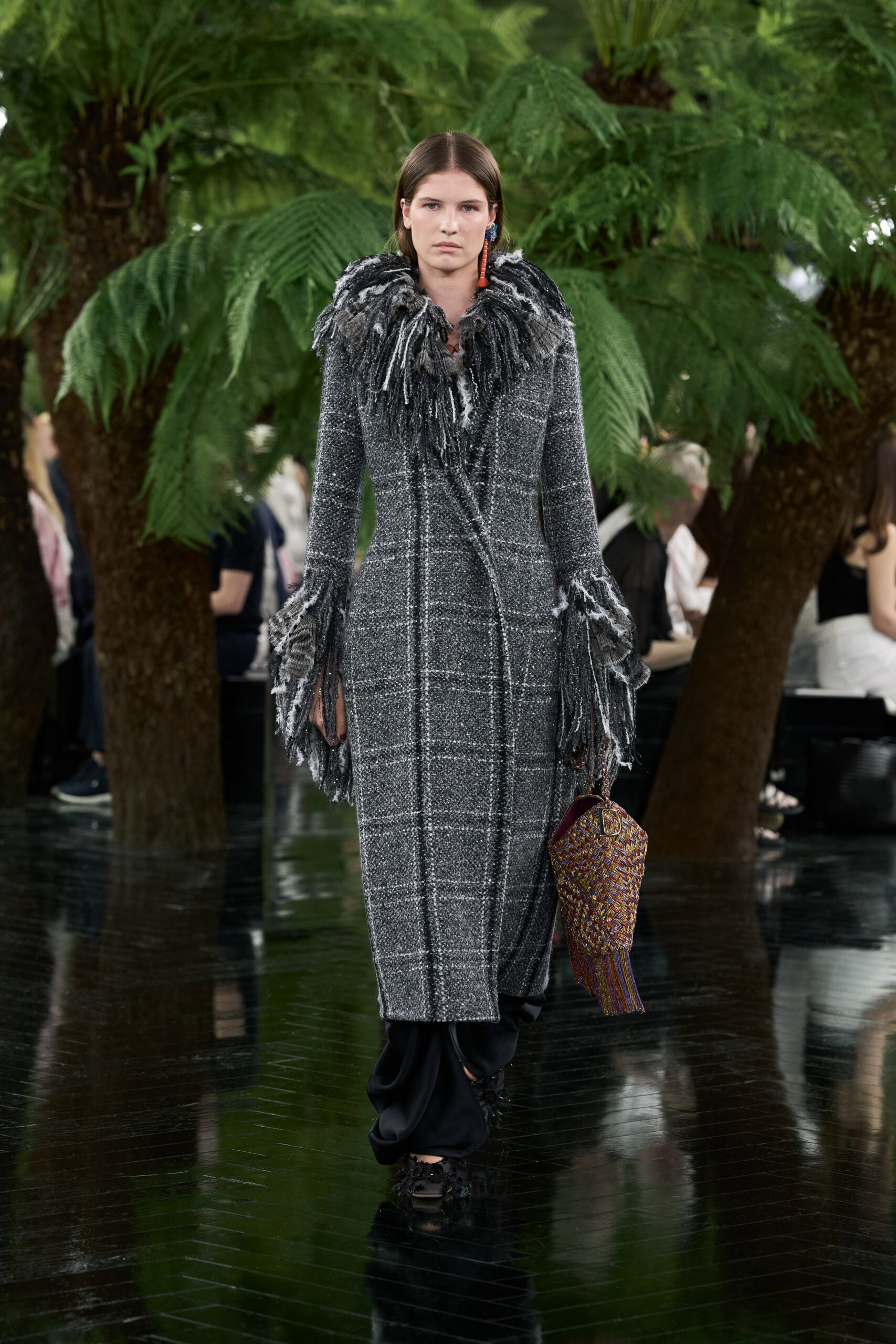
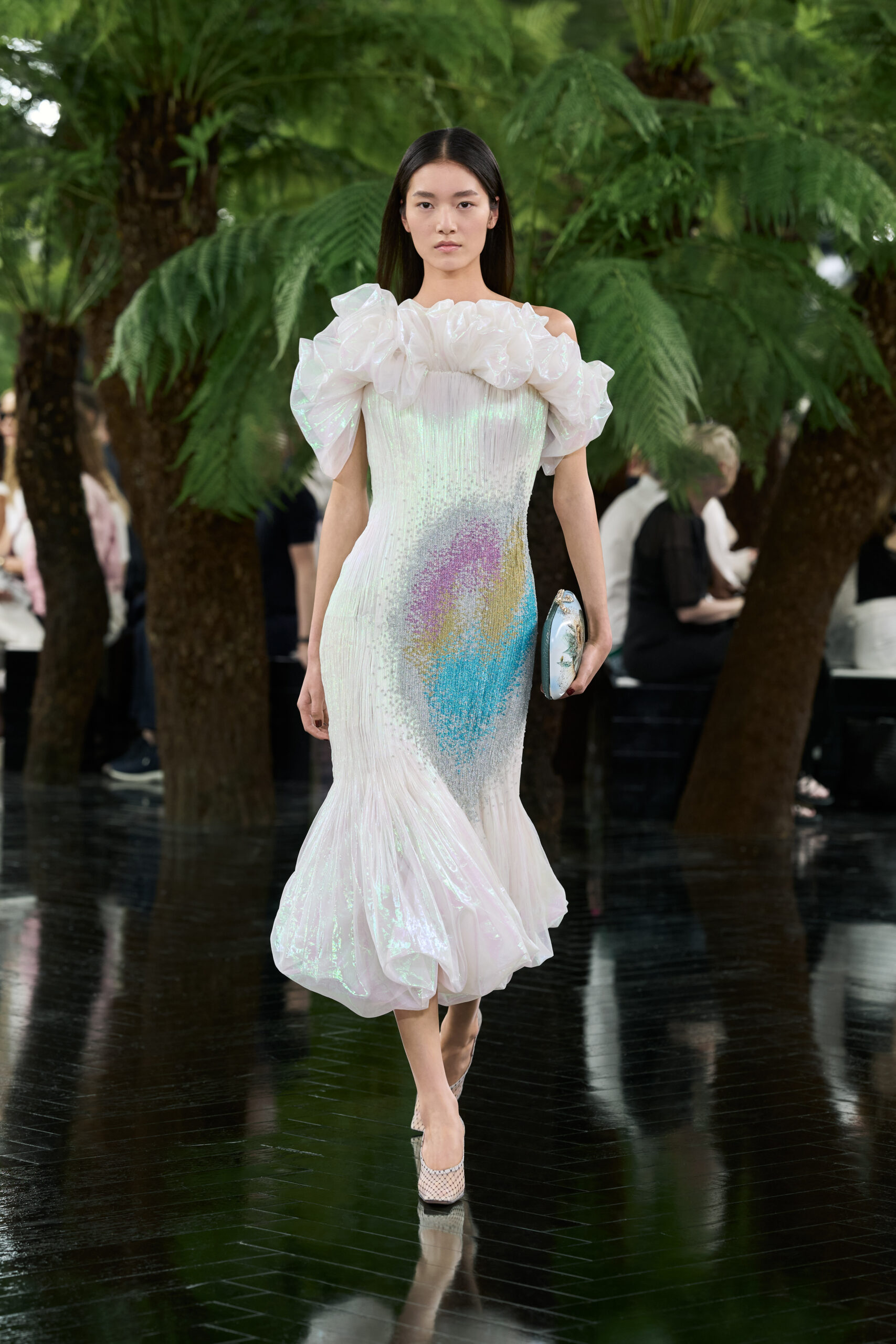
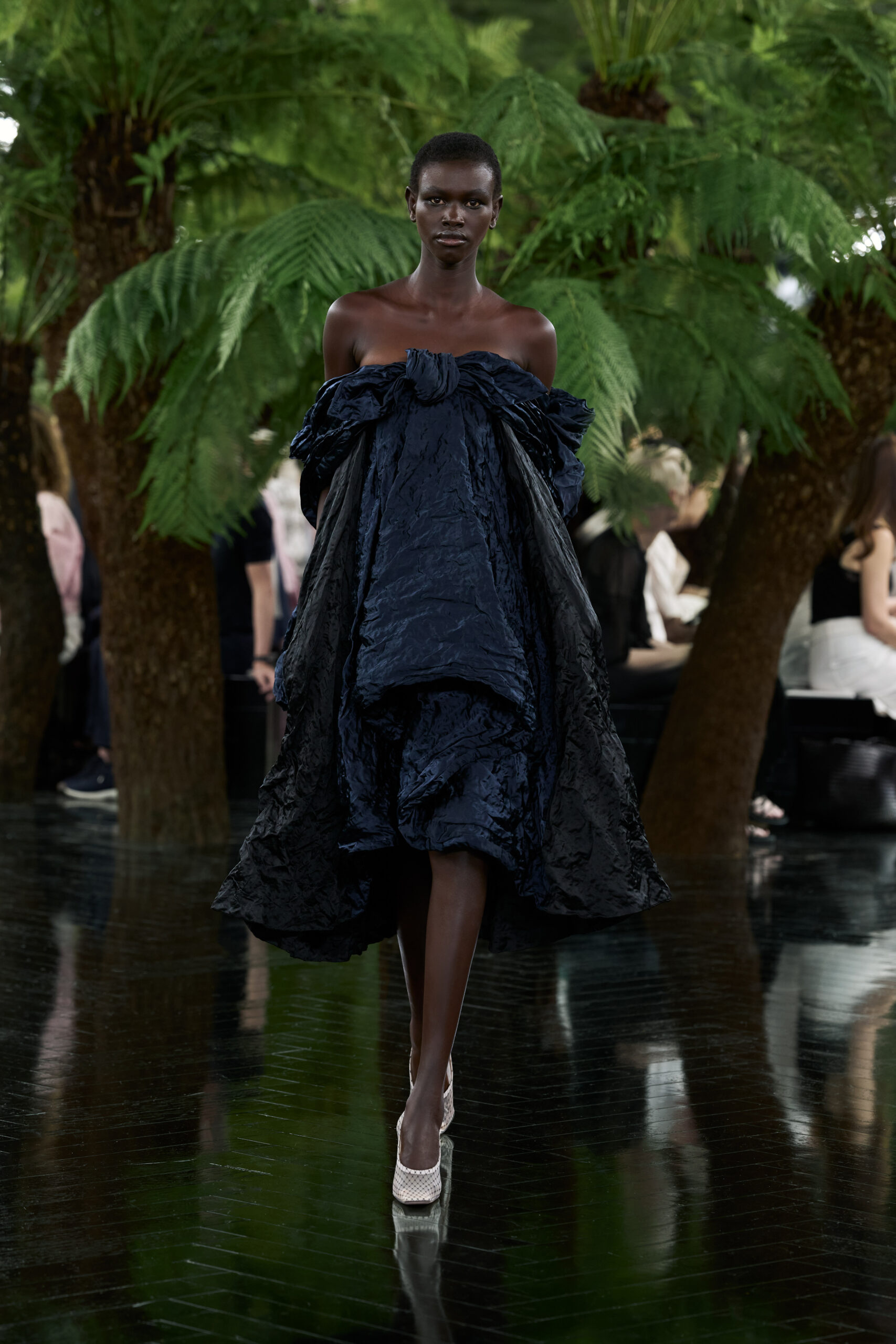
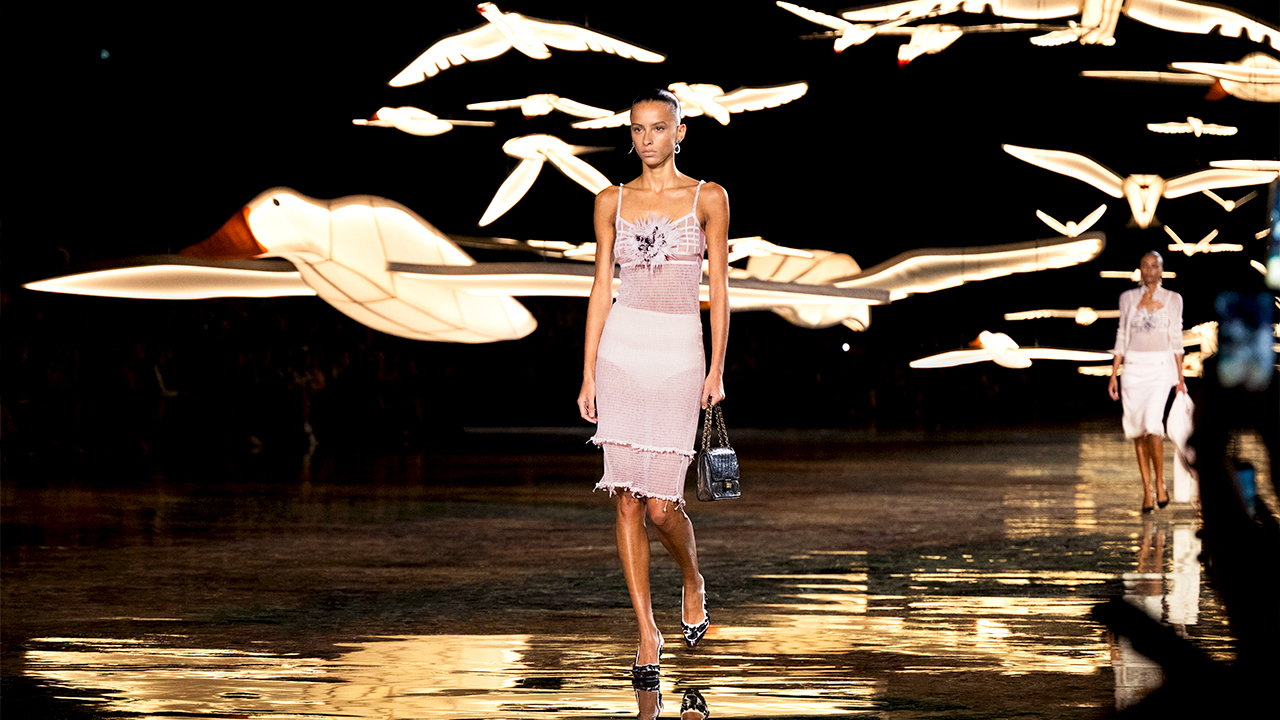
For his second Haute Couture collection at Dior, Jonathan Anderson looked beyond the wardrobe and into the artist’s studio. Drawing inspiration from the work of American sculptor Lynda Benglis, the designer presented a collection that explored couture as a physical act of making, where fabric, much like clay or metal, could be twisted, pleated, knotted and moulded into entirely new forms.
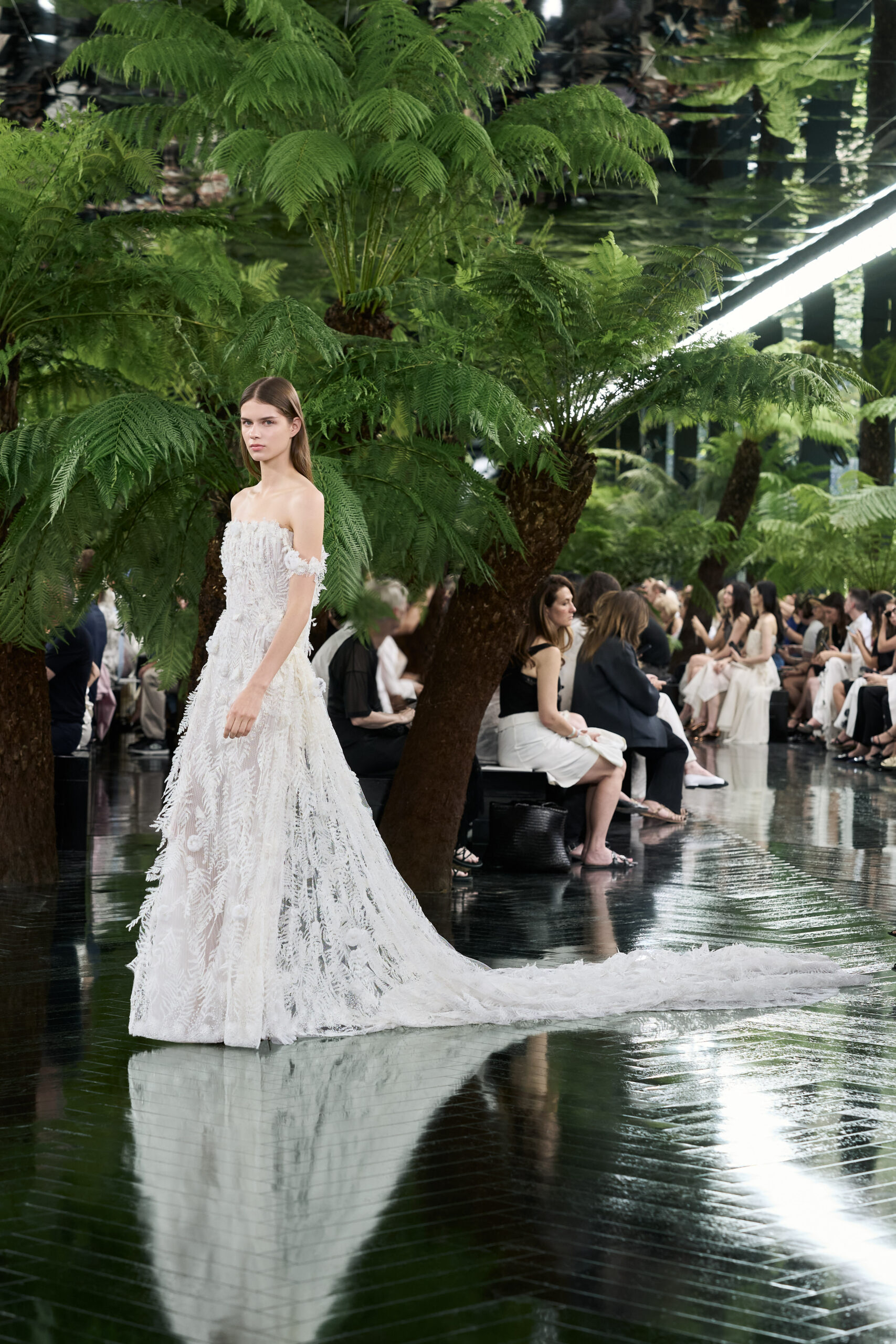
If Anderson’s debut couture outing established his vision for the House, this season expanded its vocabulary. Presented as an exercise in material experimentation, the collection probed the point where sculpture and dressmaking converge, celebrating the remarkable artistry of the Dior ateliers while asking what couture can become when approached as an artistic medium.
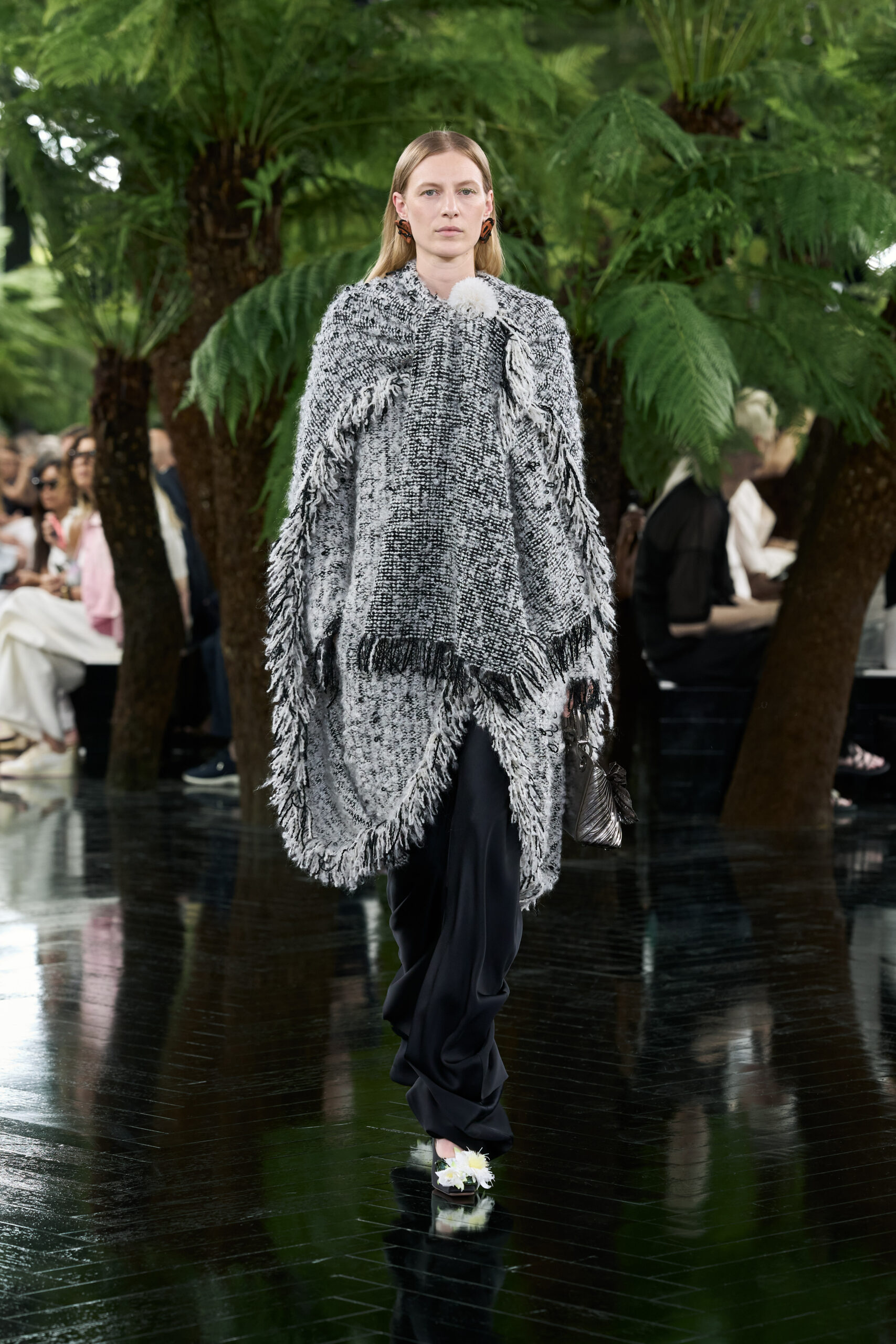
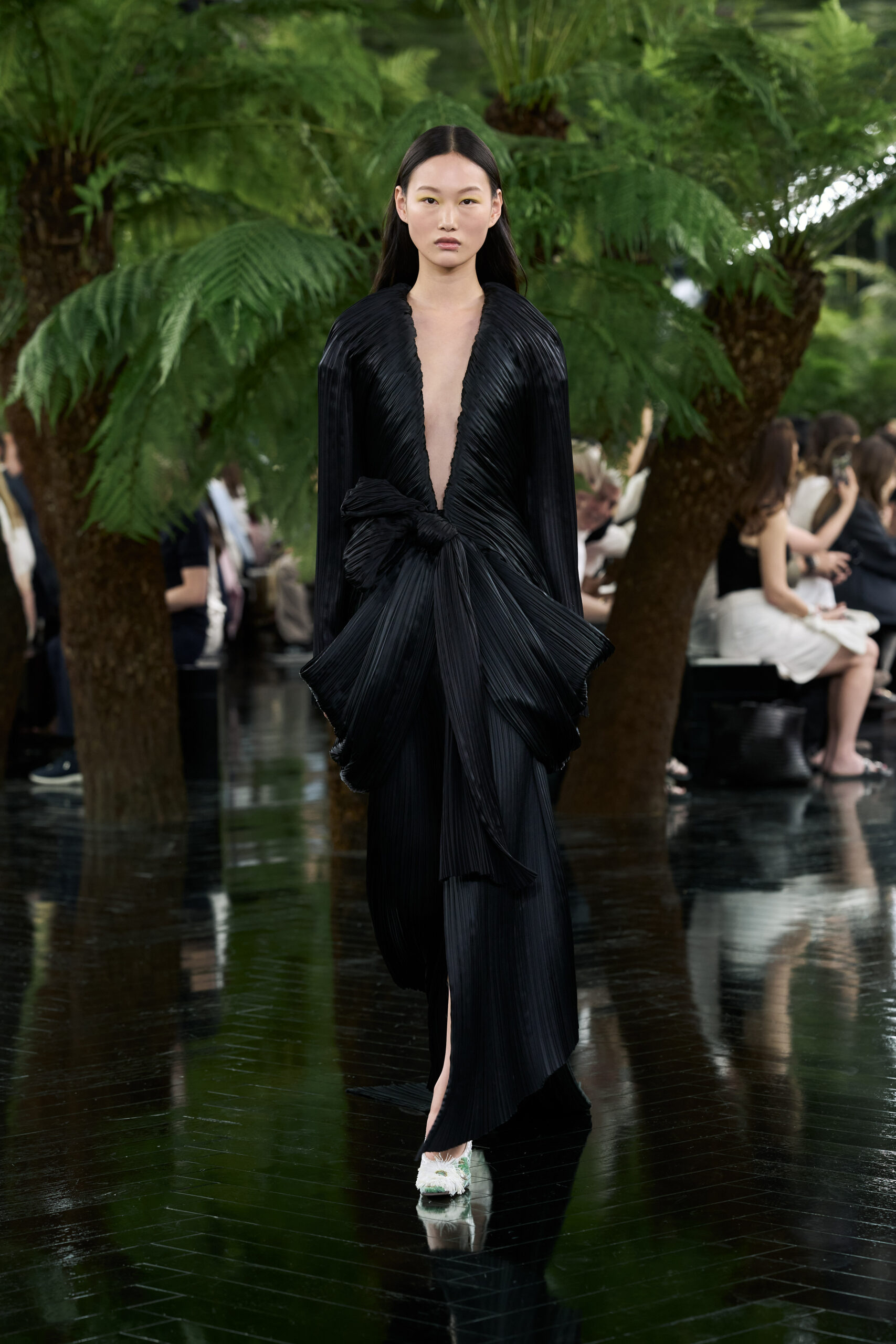
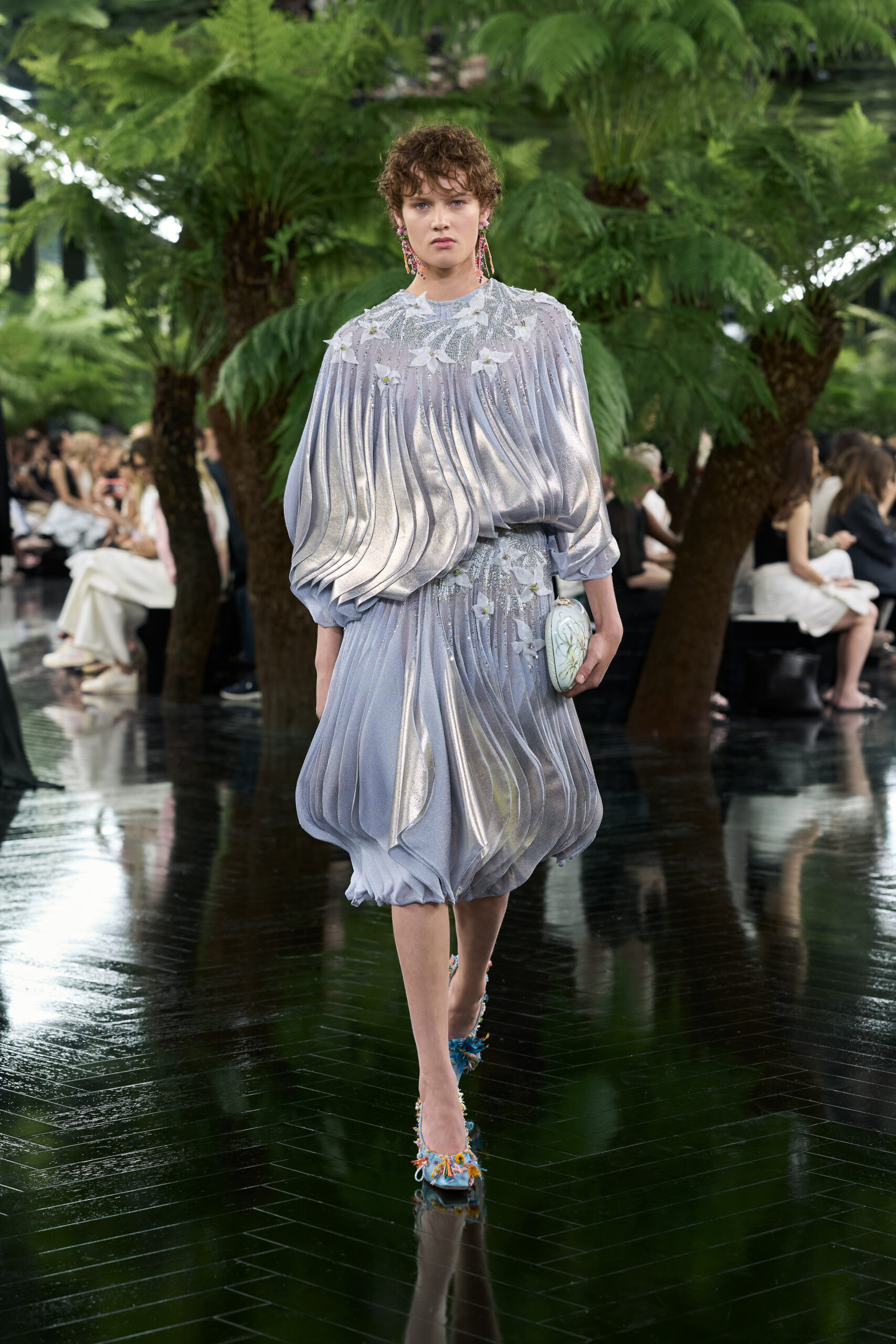
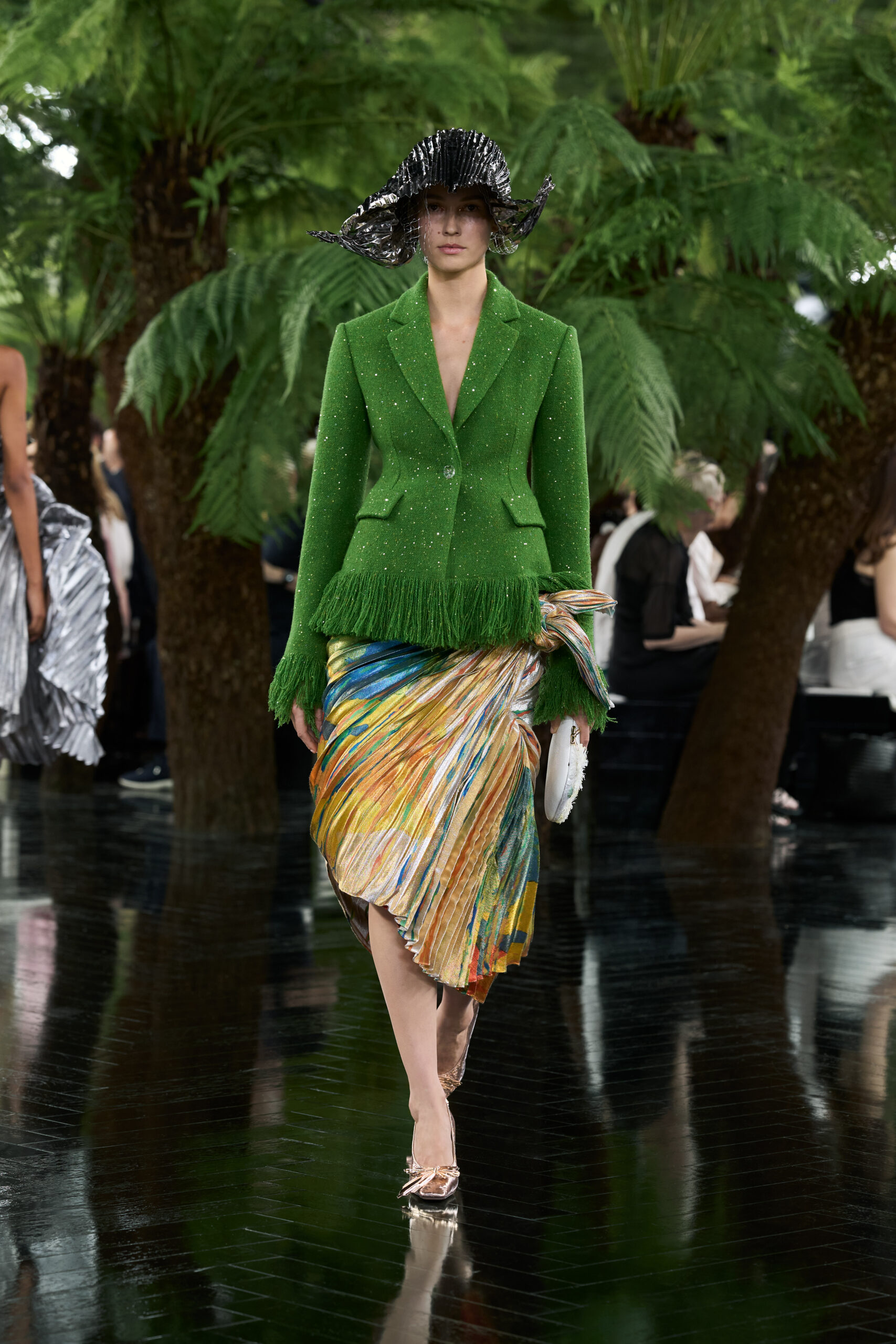
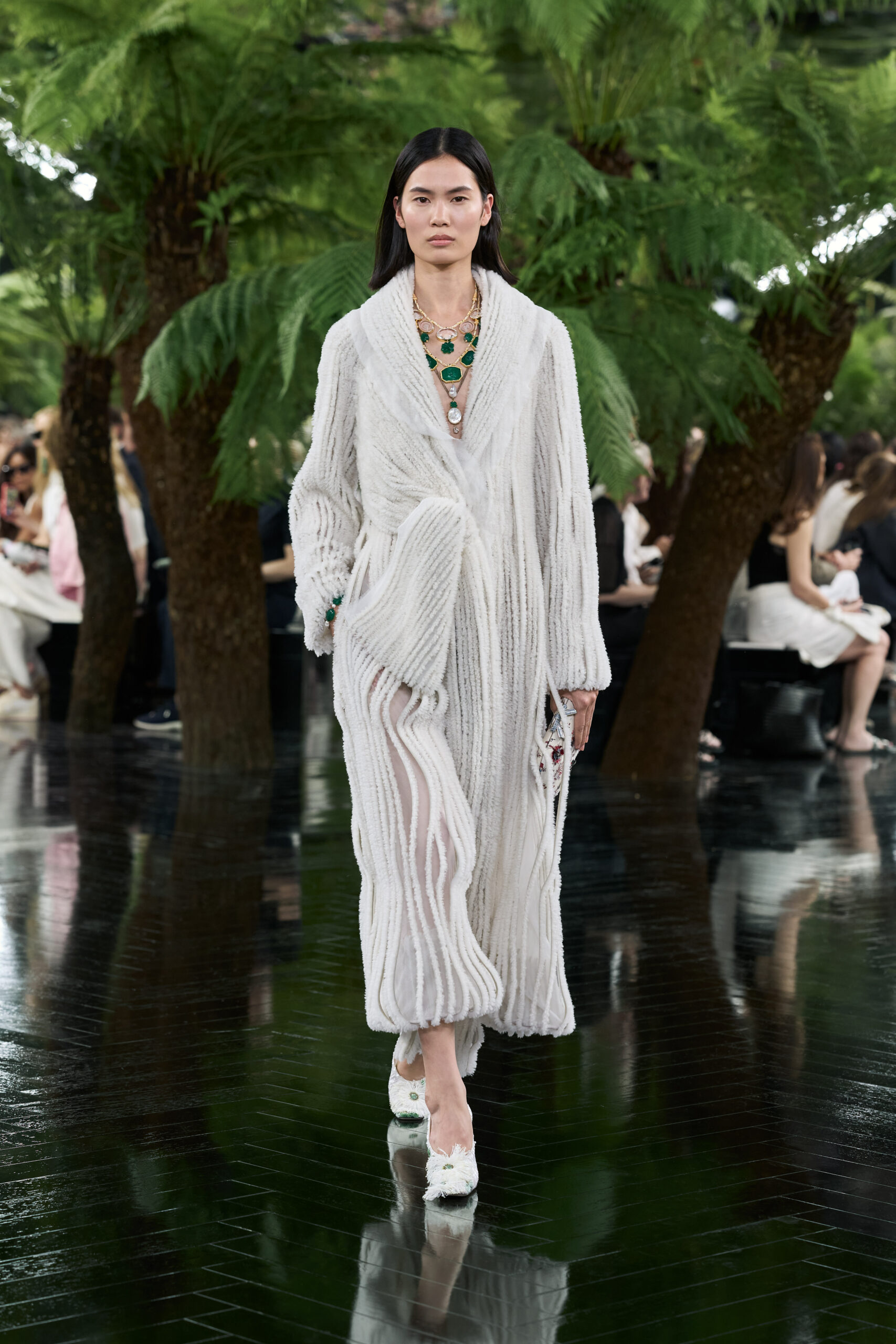
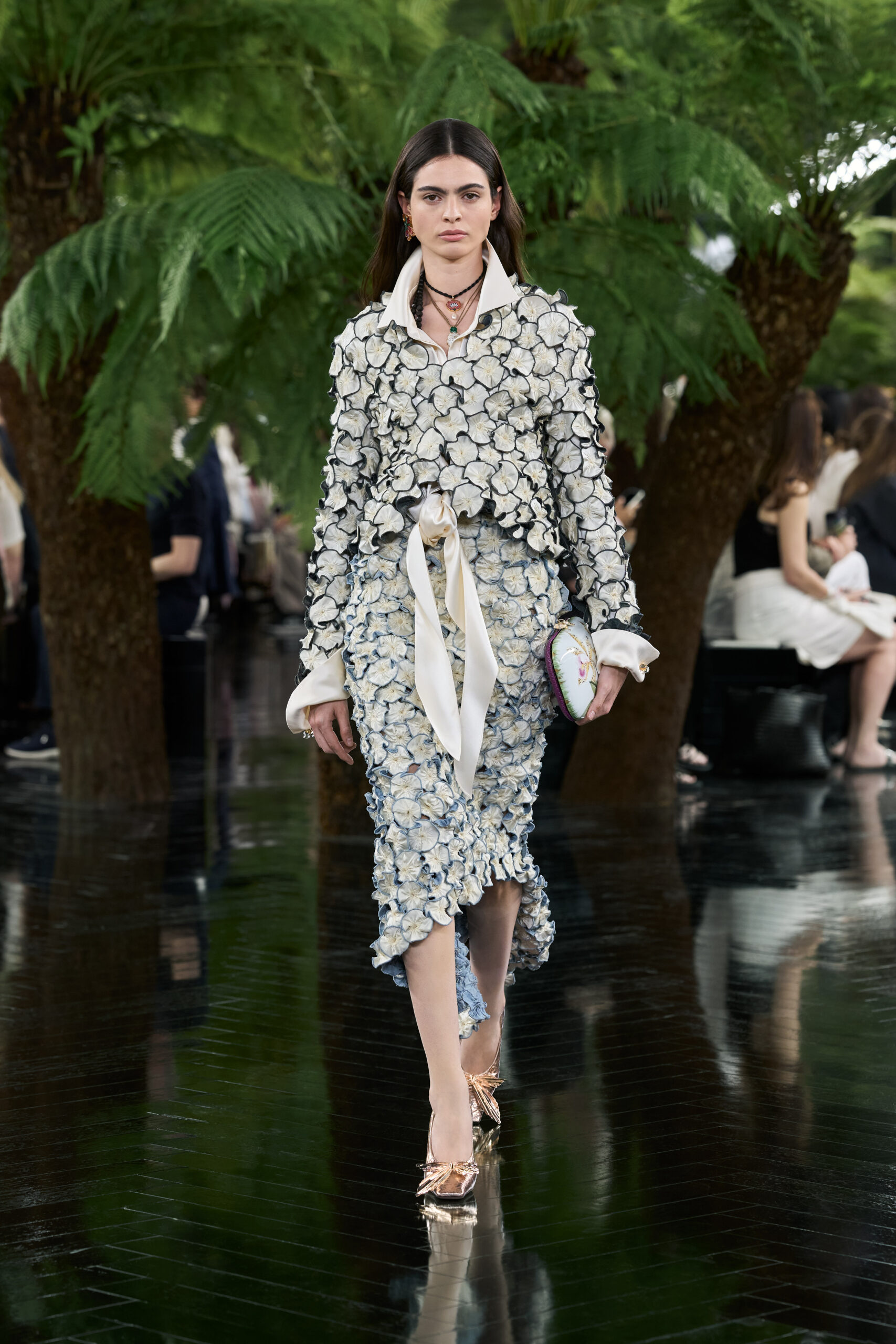
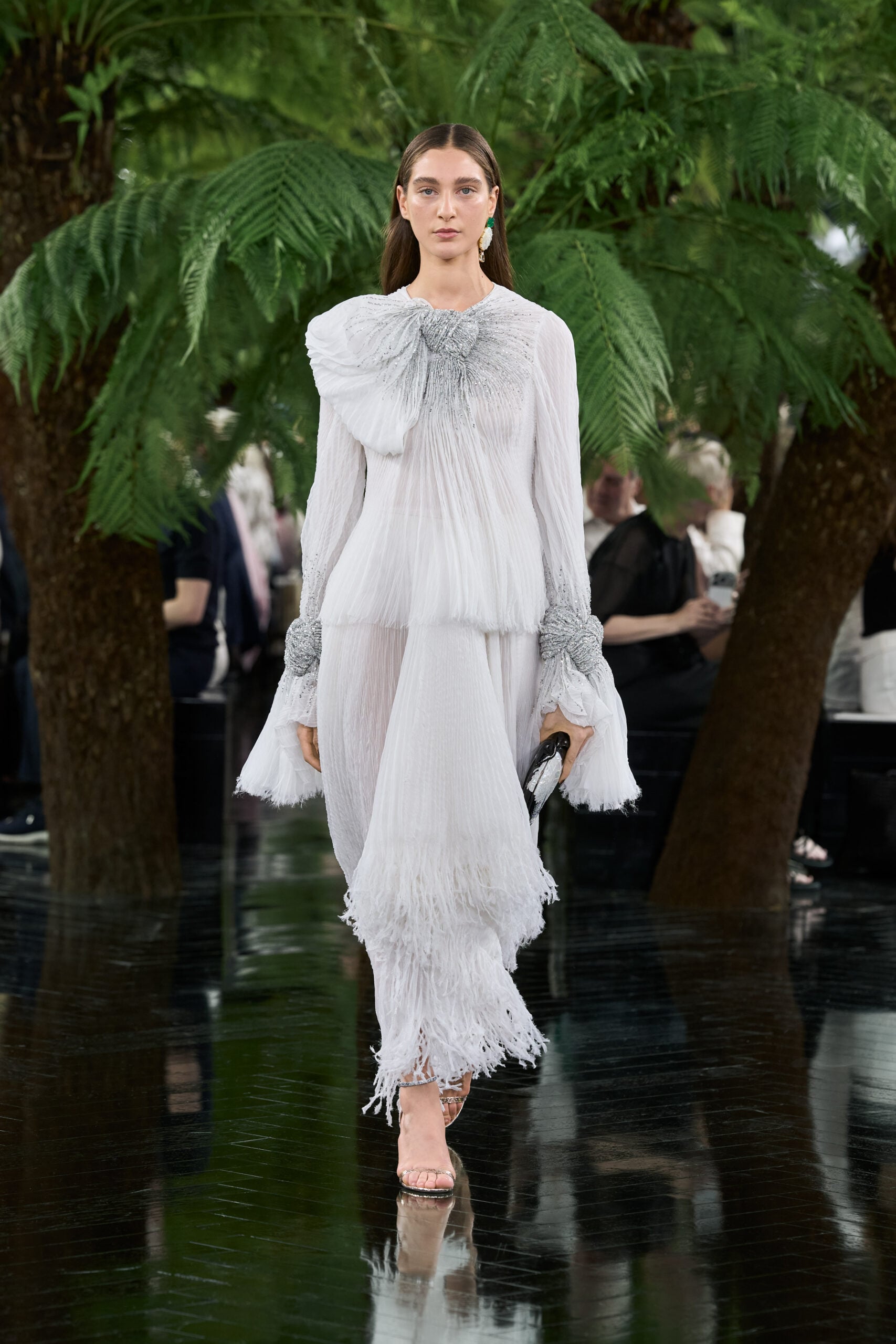
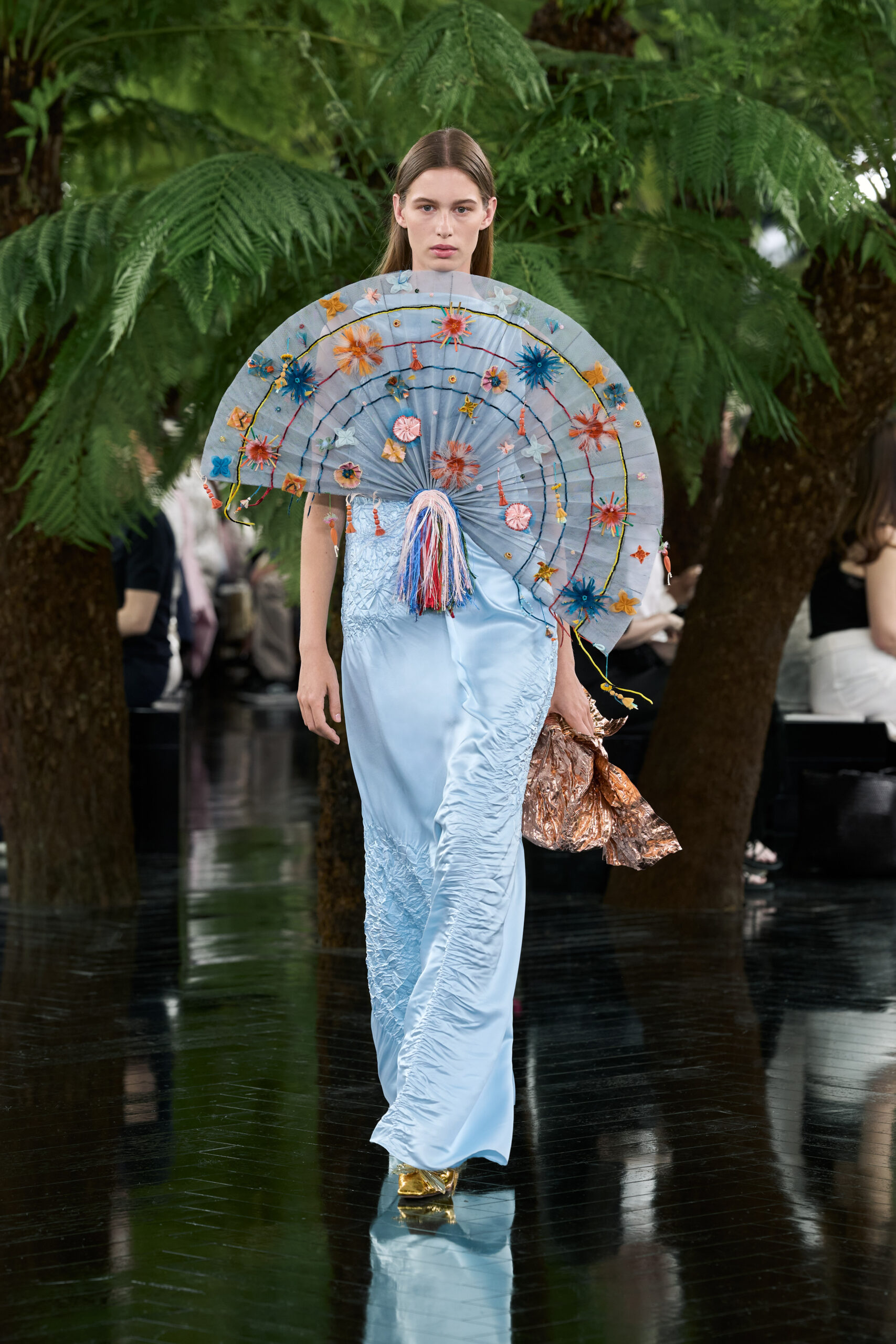
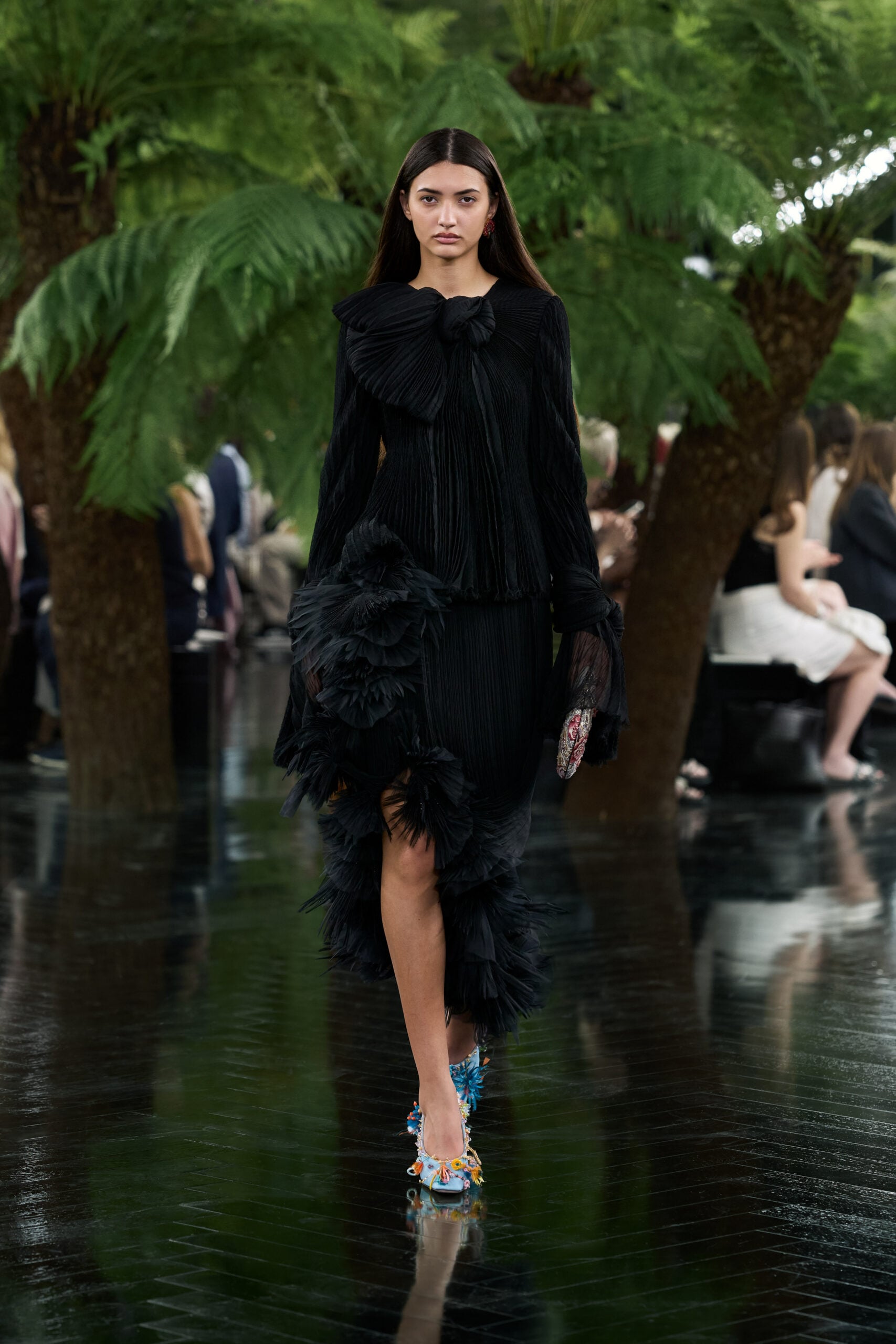
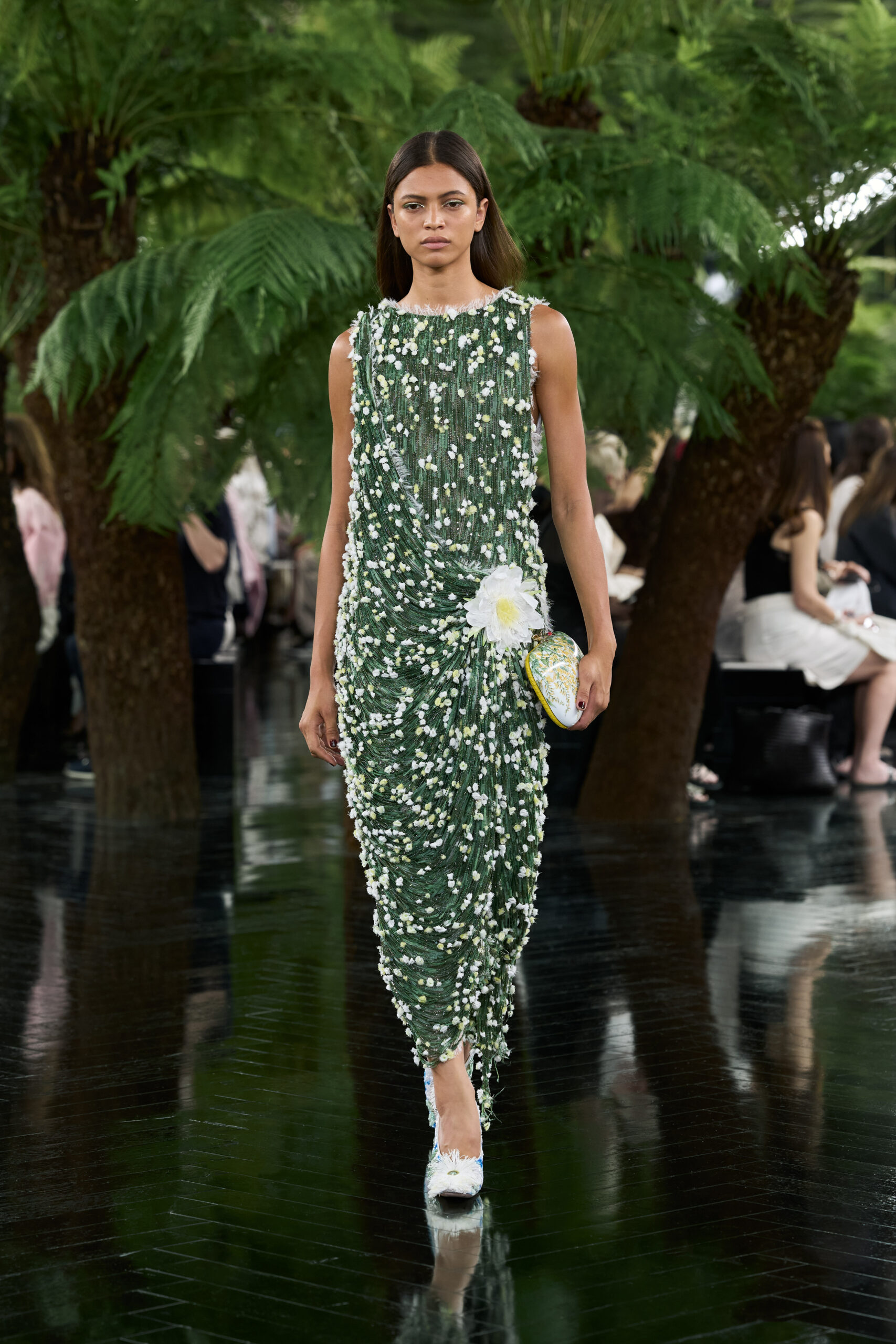
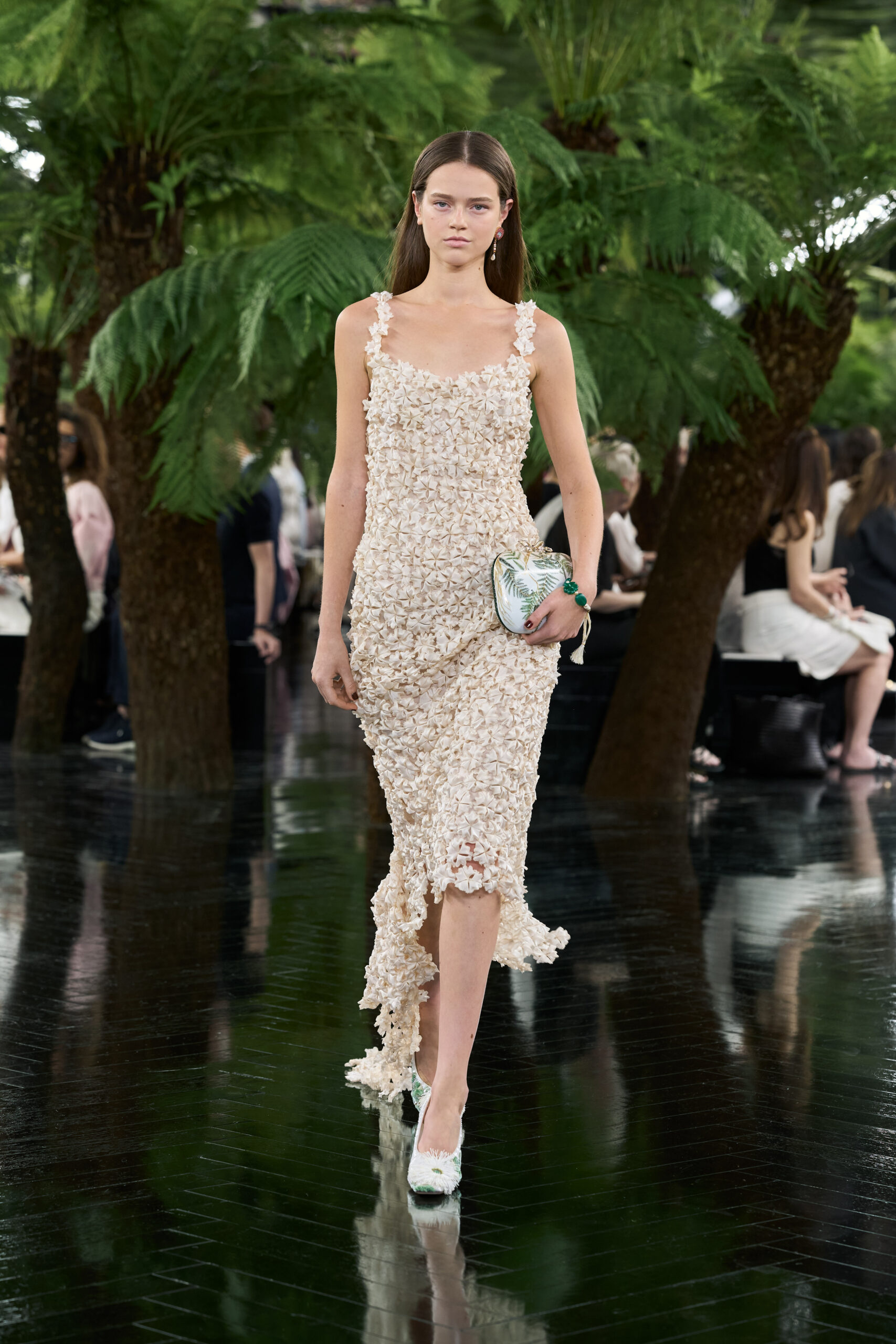
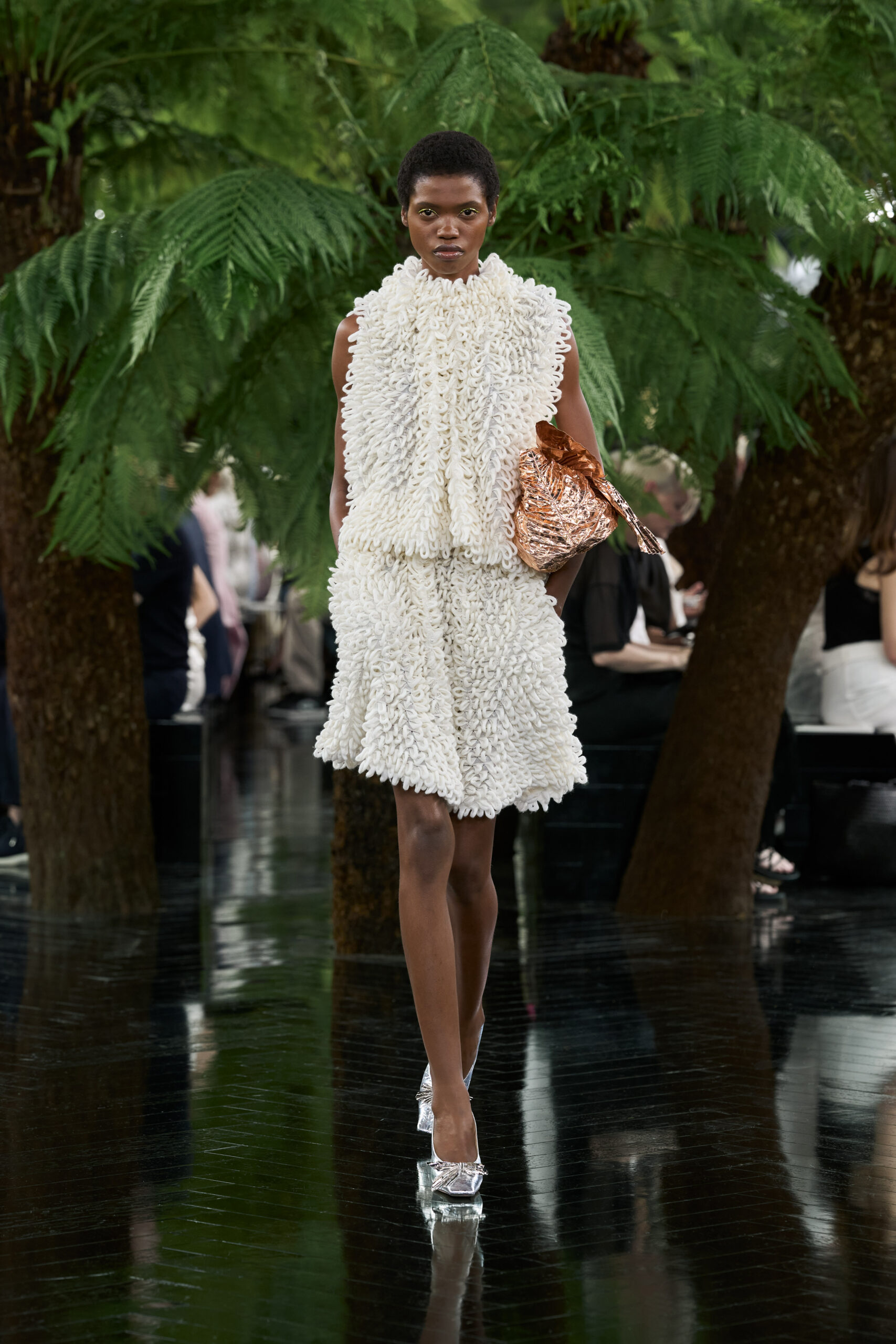
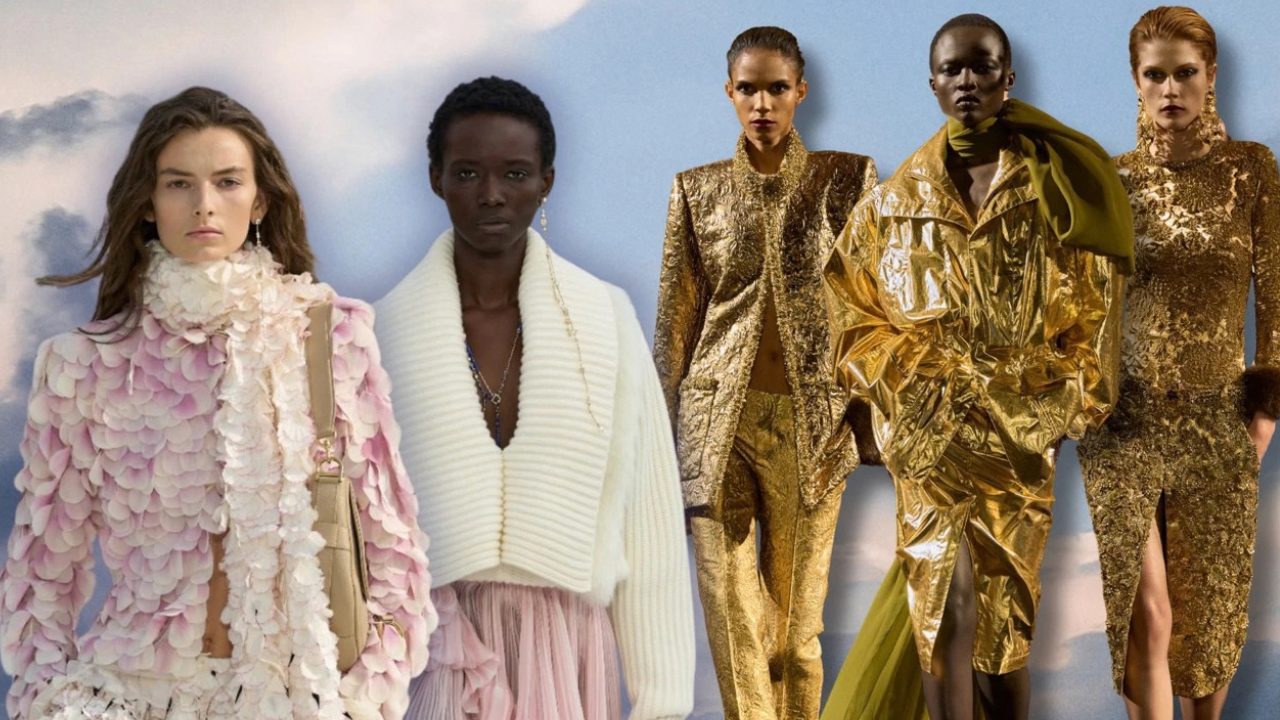
Benglis’ work, which often transforms flat materials into dynamic three-dimensional works, provided a natural muse for haute couture. Throughout the collection, hand-plissé, draping and intricate knotting gave garments an unmistakably sculptural quality, while metallic, iridescent, encrusted and paper-like textiles echoed the tactile surfaces of the artist’s work.
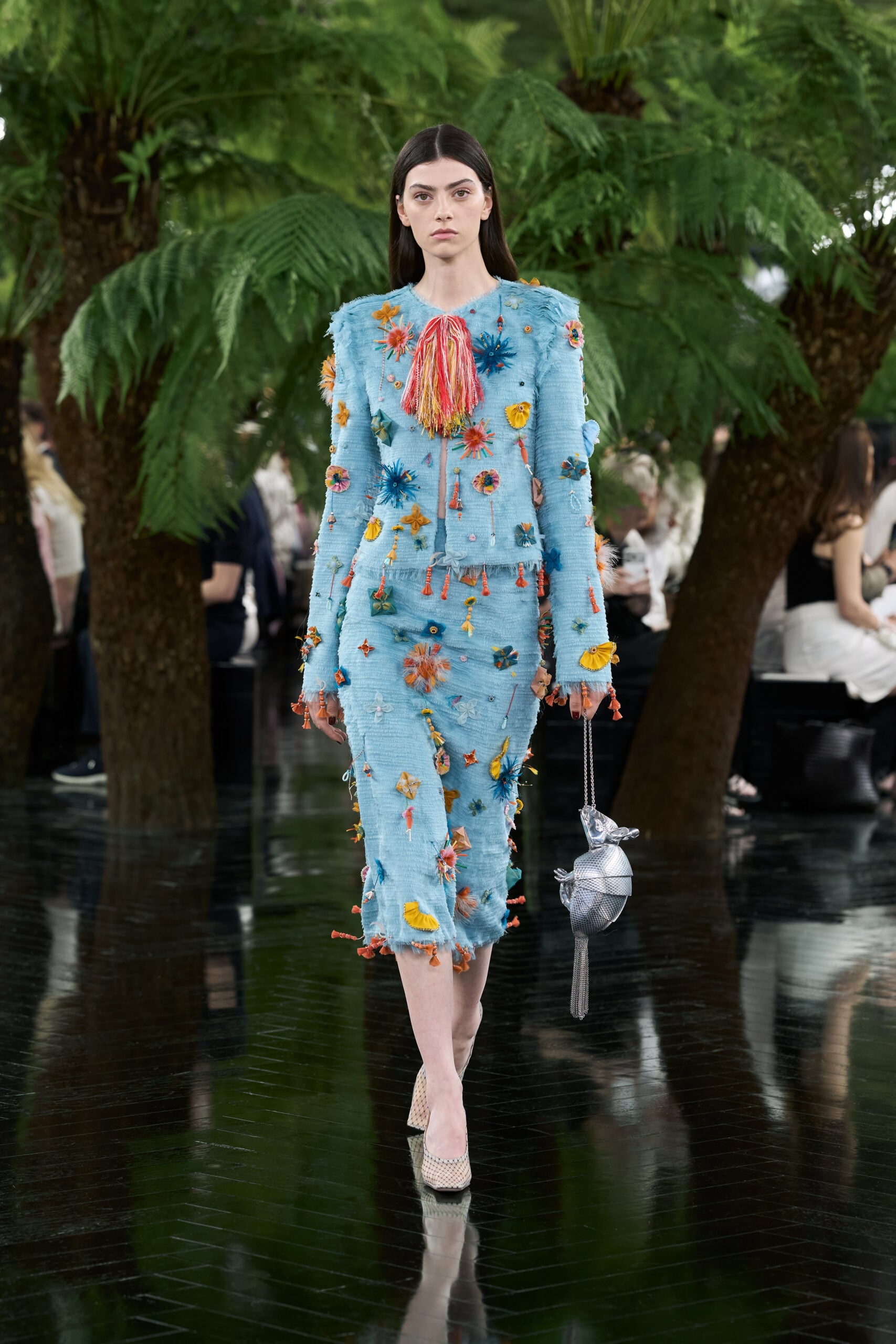
The collection also traced Benglis’ long relationship with Ahmedabad, India, where her celebrated Peacock series first took shape. Bright floral embroideries and intricate beadwork nodded to the vibrant birds that inspired the sculptures, while Anderson’s research led him towards India’s rich textile heritage. Antique fragments of 18th-century chintz and indiennes appeared on Petit Dîner and Mini Lady Dior bags, celebrating the enduring dialogue between Indian craft and European decorative arts.
Those references continued through the accessories. Mother-of-pearl inlays, shimmering leathers and ornate passementerie provided otherworldly texture, while jewellery crafted by artisans in France and Jaipur featured rock crystal, carved onyx and richly coloured micromosaics inspired by rare Indian textiles. Shoes, meanwhile, shimmered with irregular paillettes, delicate beadwork and pleated metallic bows, with their elongated square toes lending even the most embellished styles a graphic precision.
Rather than recreating Benglis’ sculptures, Anderson distilled the artist’s unique approach to the process itself, creating a study in transformation in which centuries-old craft techniques were reimagined through a distinctly contemporary lens. It’s what we’ve come to appreciate most about Anderson: fashion that investigates how material can behave.
The conversation continues beyond the runway. From July 7-12, Grammar of Forms, an exhibition at Paris’s Musée Rodin, brings together looks from the collection alongside archival Dior creations and works by Lynda Benglis, several of which are being shown in France for the first time.





 English (US) ·
  Indonesian (ID) ·