
 3 months ago
Taiwanese BL dramas have increasingly embraced emotionally driven storytelling, and “Bittersweet Love” enters the genre with a premise that is as unconventional as it is compelling. Adapted from Che Ye Liu Xiang’s web novel “Bittersweet Love,” the series swaps the fairy tale of marrying into wealth for a slow-burning tale of forbidden dark romance.
Set in 1990s Beijing, the drama follows Lu Xiao Fan (Guan Yue), a kind-hearted young man whose life changes overnight when he leaves his rural hometown to marry into one of the city’s most influential families. Instead of the comfortable life one might imagine, Xiao Fan finds himself trapped in a marriage that exists only in name. Amid the cold atmosphere of the Bei household, he gradually grows closer to his enigmatic brother-in-law, Bei Lv Qing (Yan Rui Hao). What begins as admiration slowly evolves into desire, forcing both men to confront feelings that threaten to upend the fragile balance within the family.
Can “Bittersweet Love” deliver a compelling forbidden romance while navigating its morally complex premise? Here’s what you can expect in the premiere episodes.
Warning: spoilers for episodes 1-4.
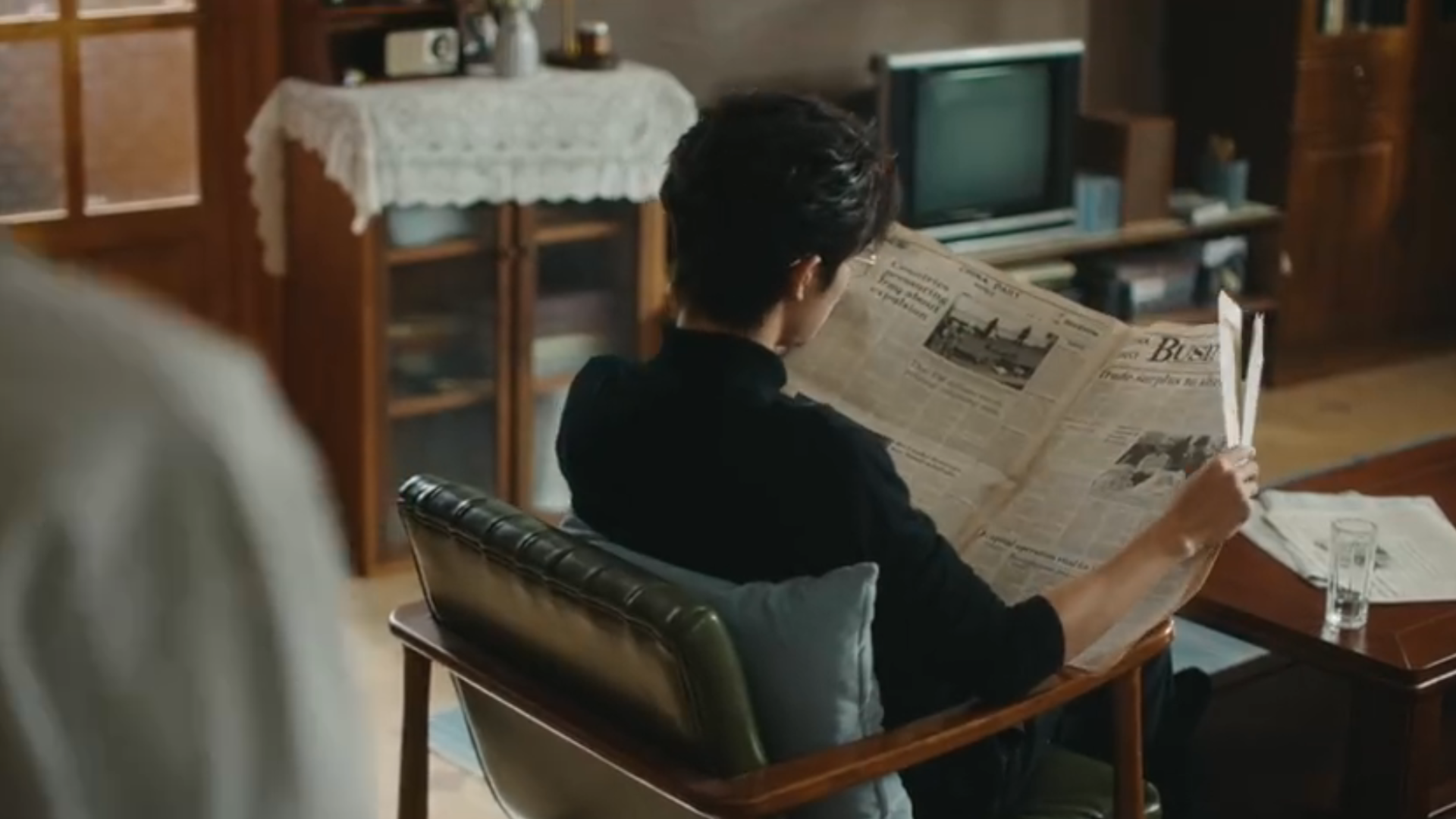

“Bittersweet Love” wastes no time pulling viewers into its emotionally charged world. Rather than opening with romance, the drama begins with intrigue, immediately raising questions about the complex relationship between its two leads.
The first scene unfolds in a quiet living room. Lu Xiao Fan enters and timidly tells the comparatively older man sitting before him that his mother wants to visit him in the city. Xiao Fan speaks as though he is asking for permission. Without lifting his eyes from the newspaper, the older man coolly replies that if his mother misses him so much, perhaps Xiao Fan should visit her instead.
Xiao Fan grows increasingly desperate for acknowledgment, while the older man, who keeps his eyes on the newspaper, continues to withhold it. Finally, in an unexpected move, Xiao Fan quietly unzips his pants and stands silently in the doorway. Only then does the older man briefly glance up before returning his attention to the newspaper, leaving viewers wondering what exactly is the relationship dynamic of these two men.
The younger man is Lu Xiao Fan, whose quiet rural life is turned upside down after he is arranged to marry Bei Lv Xin (Li Jue Xuan), the daughter of one of Beijing’s wealthiest families. The older man is Bei Lv Qing, Lu Xiao Fan’s brother-in-law.
This is when the drama rewinds two years.
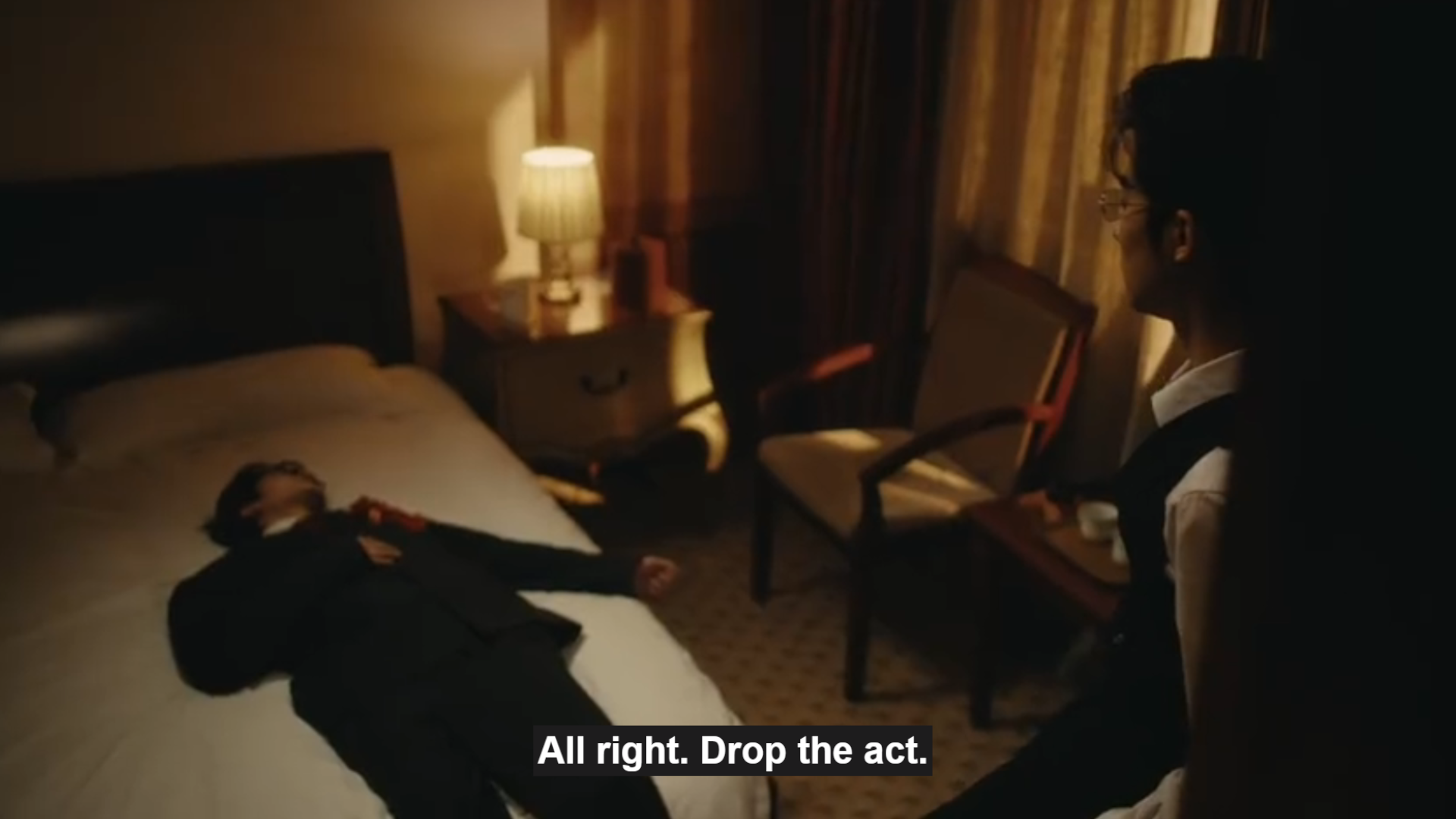
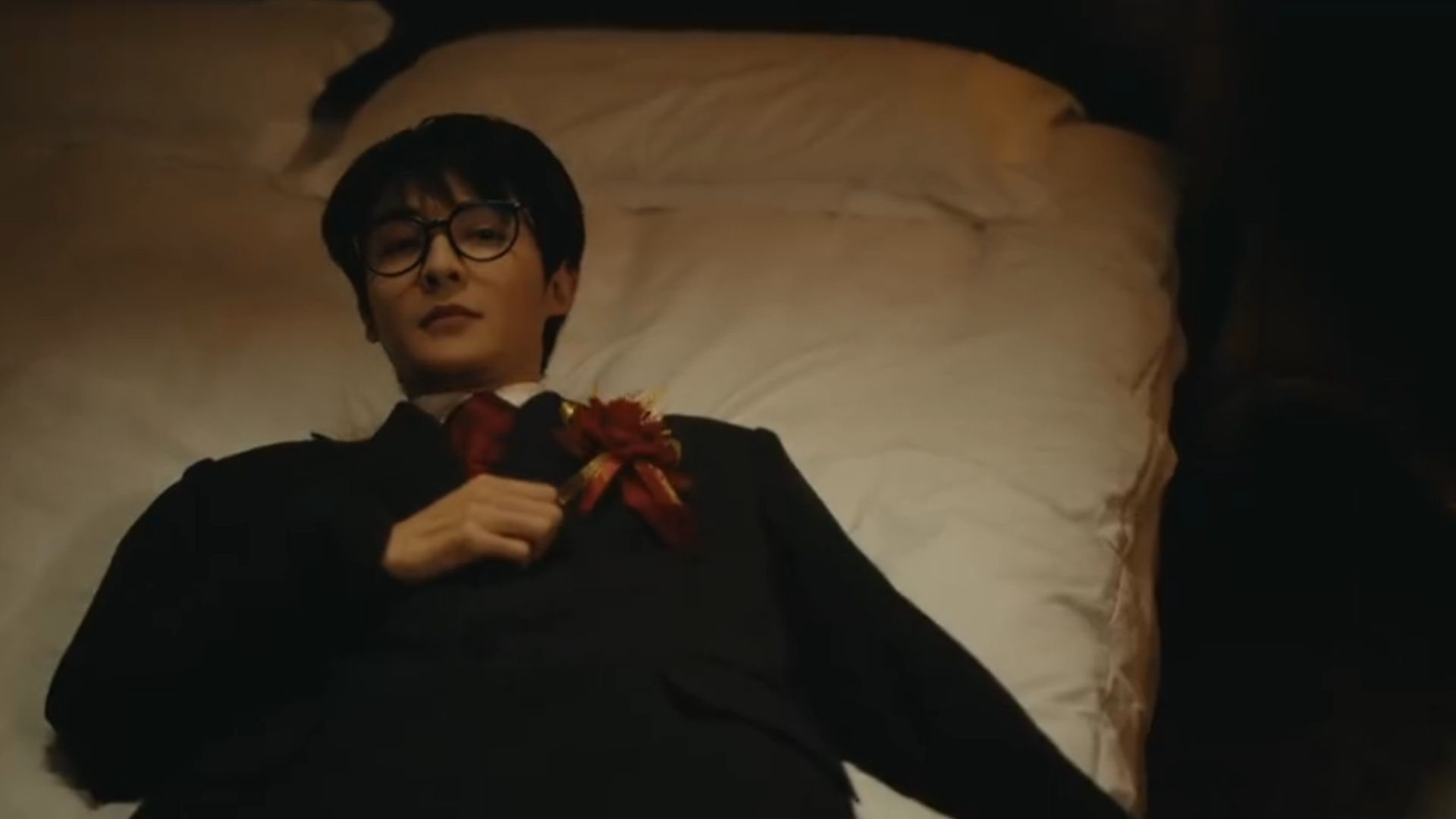
The first flashback introduces Xiao Fan on his wedding night. As he enters his bride’s hotel room, Bei Lv Xin immediately kicks him out of bed and orders him to leave. Hoping to find comfort with his own family, Xiao Fan heads to his parents’ room, only to overhear them discussing the truth behind the marriage. His bride is already pregnant by another man. While his father wants to call off the wedding, his mother insists they go through with it.
When Xiao Fan hears people approaching in the hallway, he pretends to be blackout drunk to avoid the confrontation. Bei Lv Qing, however, immediately sees through the act. Without exposing him, he quietly carries Xiao Fan back to his room and helps him clean up.
These early scenes establish both Xiao Fan’s personality and his place within the story. He is gentle, timid, and perceptive enough to understand the unspoken tensions around him, yet too reserved to stand up for himself. His own mother knowingly sacrifices him in a marriage built on deception, while Bei Lv Qing displays an unusual level of interest in him; an interest that immediately feels more complicated than simple kindness.
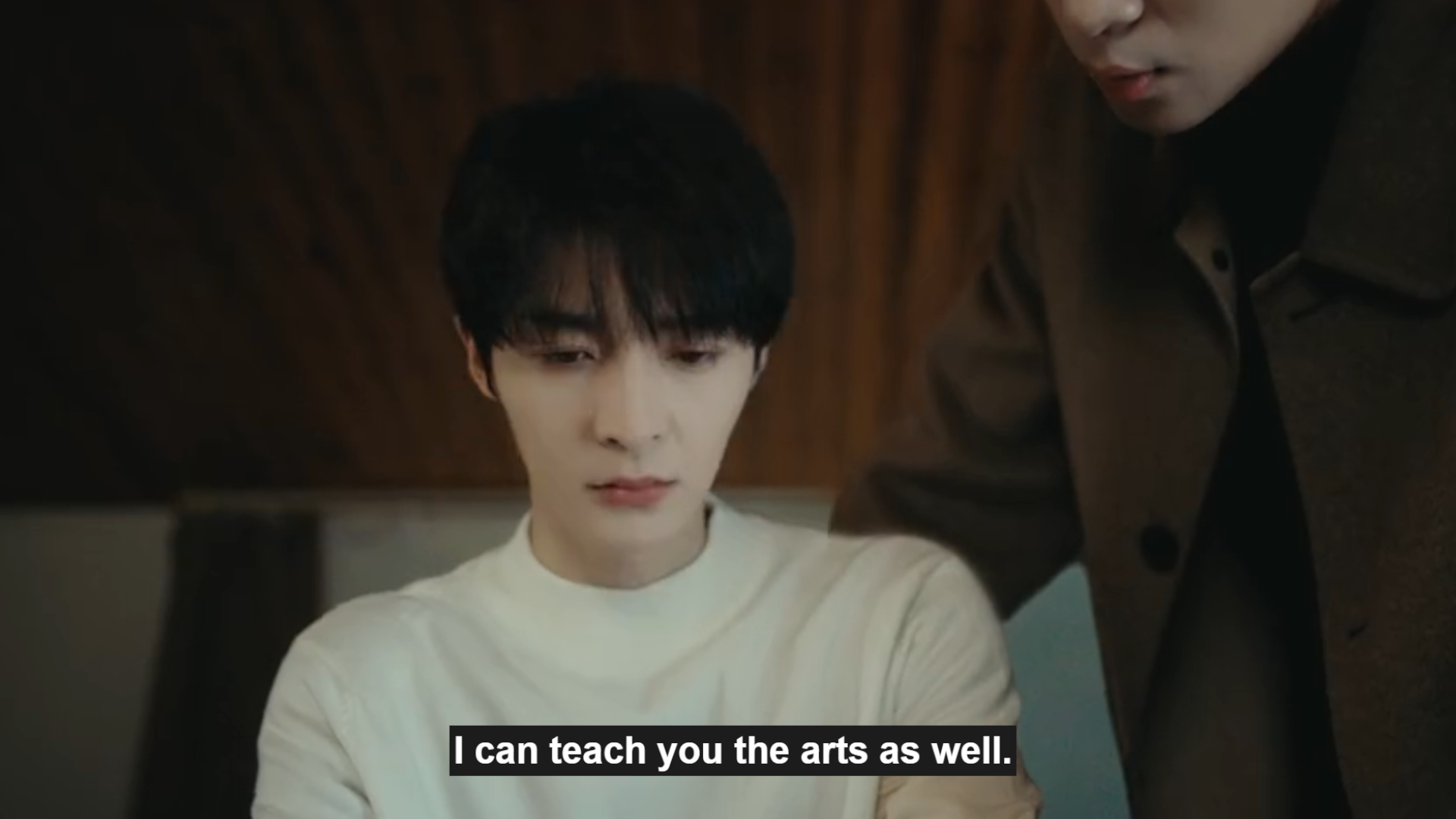
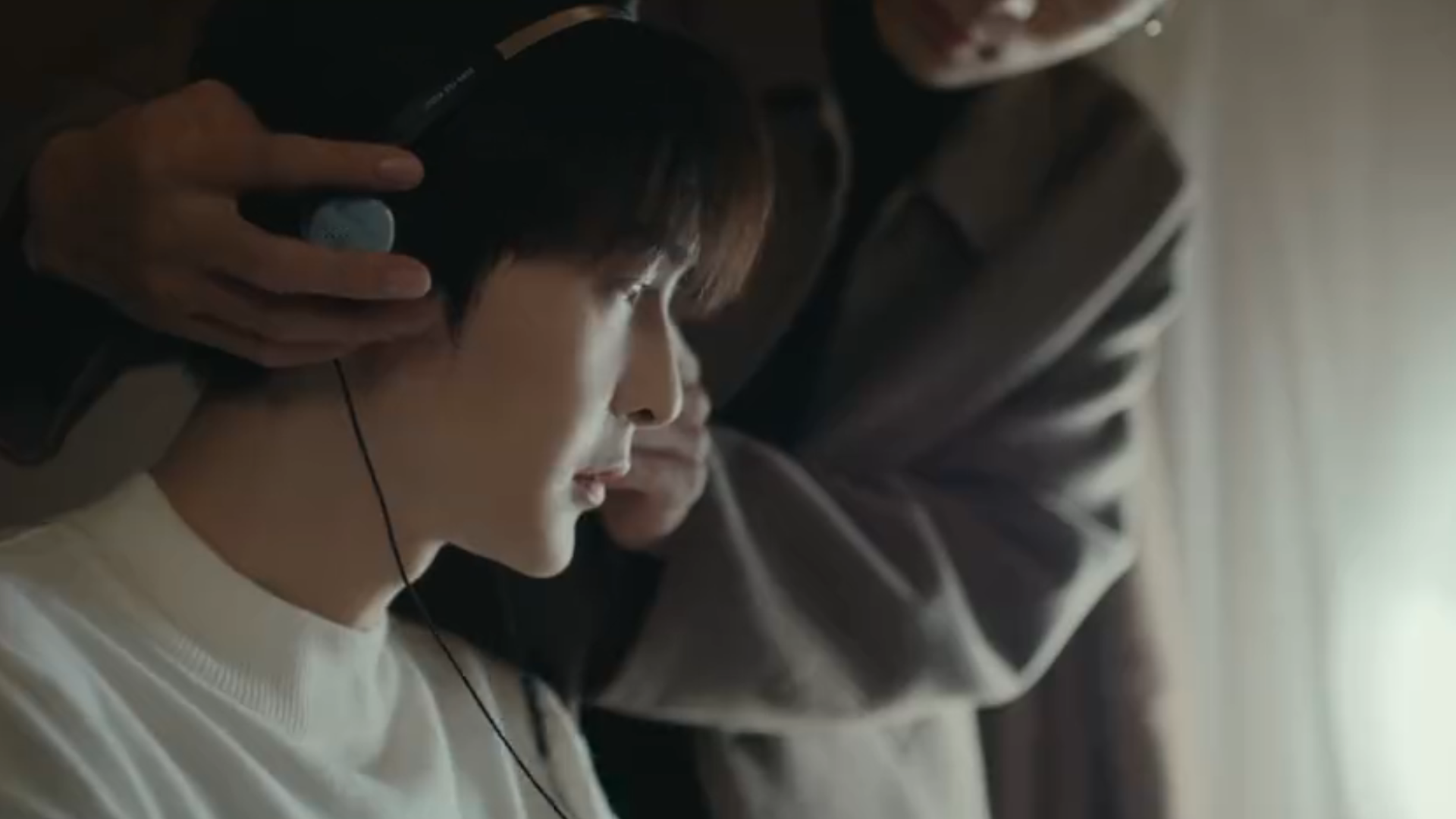
What makes “Bittersweet Love” particularly compelling is that it embraces its darker themes instead of disguising them as a conventional romance. From the very beginning, the drama hints at Bei Lv Qing’s taboo fascination with his brother-in-law while also painting him as a morally ambiguous character whose true intentions remain difficult to read.
Even seemingly lighthearted moments carry an undercurrent of discomfort. In one scene, Xiao Fan mistakes “taking a shower” for simply washing his feet. Bei Lv Qing brings him into the bathroom and turns the shower on while Xiao Fan is still fully clothed. Rather than playing the moment purely for romance, the direction leaves viewers questioning whether Xiao Fan is truly safe in Bei Lv Qing’s company.
The chemistry between the two leads is intriguing and so is the mystery surrounding Bei Lv Qing’s motives. The opening scene lingers in the viewer’s mind, raising questions about how the pair arrived at such an emotionally distant dynamic. Is Bei Lv Qing genuinely falling in love with Xiao Fan, or is he simply captivated by someone vulnerable and different from the people around him?
As the story progresses, the two spend more time together, with Bei Lv Qing even tutoring Xiao Fan so he can take the university entrance exam. Yet the growing closeness never entirely dispels the sense of unease. Instead, the drama carefully balances tenderness with uncertainty, making viewers question whether Bei Lv Qing’s feelings are sincere or whether Xiao Fan is simply becoming the object of his obsession. Whether this moral ambiguity ultimately pays off will depend on the ending. The series will need to convincingly demonstrate Bei Lv Qing’s emotional growth if it hopes to transform him into a truly satisfying romantic lead.
Equally impressive are the show’s supporting characters, who feel remarkably grounded. Rather than relying on one-dimensional villains, “Bittersweet Love” presents people whose actions are often contradictory in ways that feel painfully realistic.

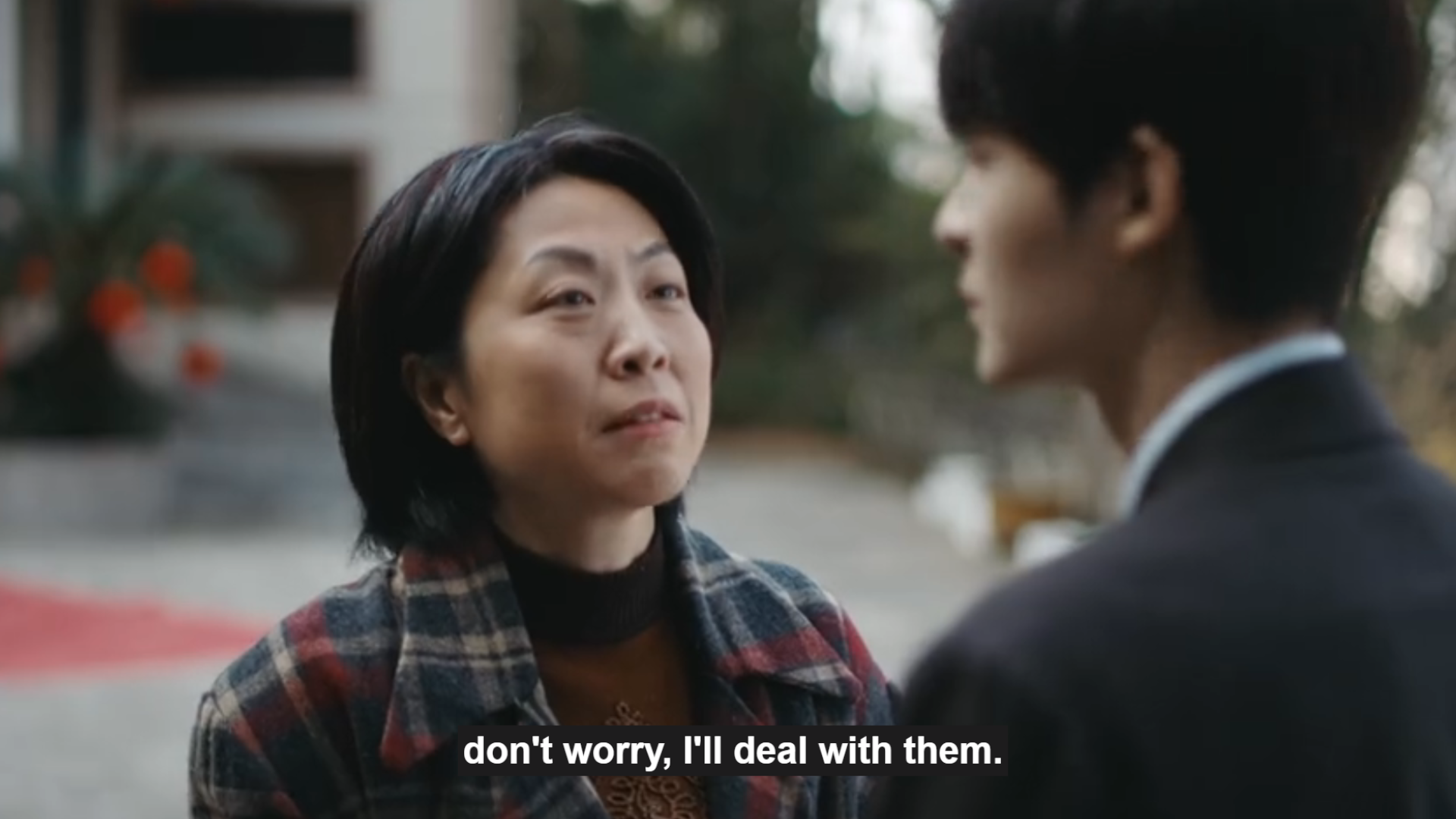
Lu Xiao Fan’s parents are a perfect example. Although they effectively sell their son into the marriage for financial security and social advancement, his mother also gives him money before he leaves and tells him to call immediately if he is mistreated. Later, however, she emotionally manipulates him into asking the Bei family to secure a recommendation letter for his younger brother. Their relationship reflects a familiar form of emotional manipulation, where moments of genuine care coexist with self-interest, making the dynamic all the more believable.

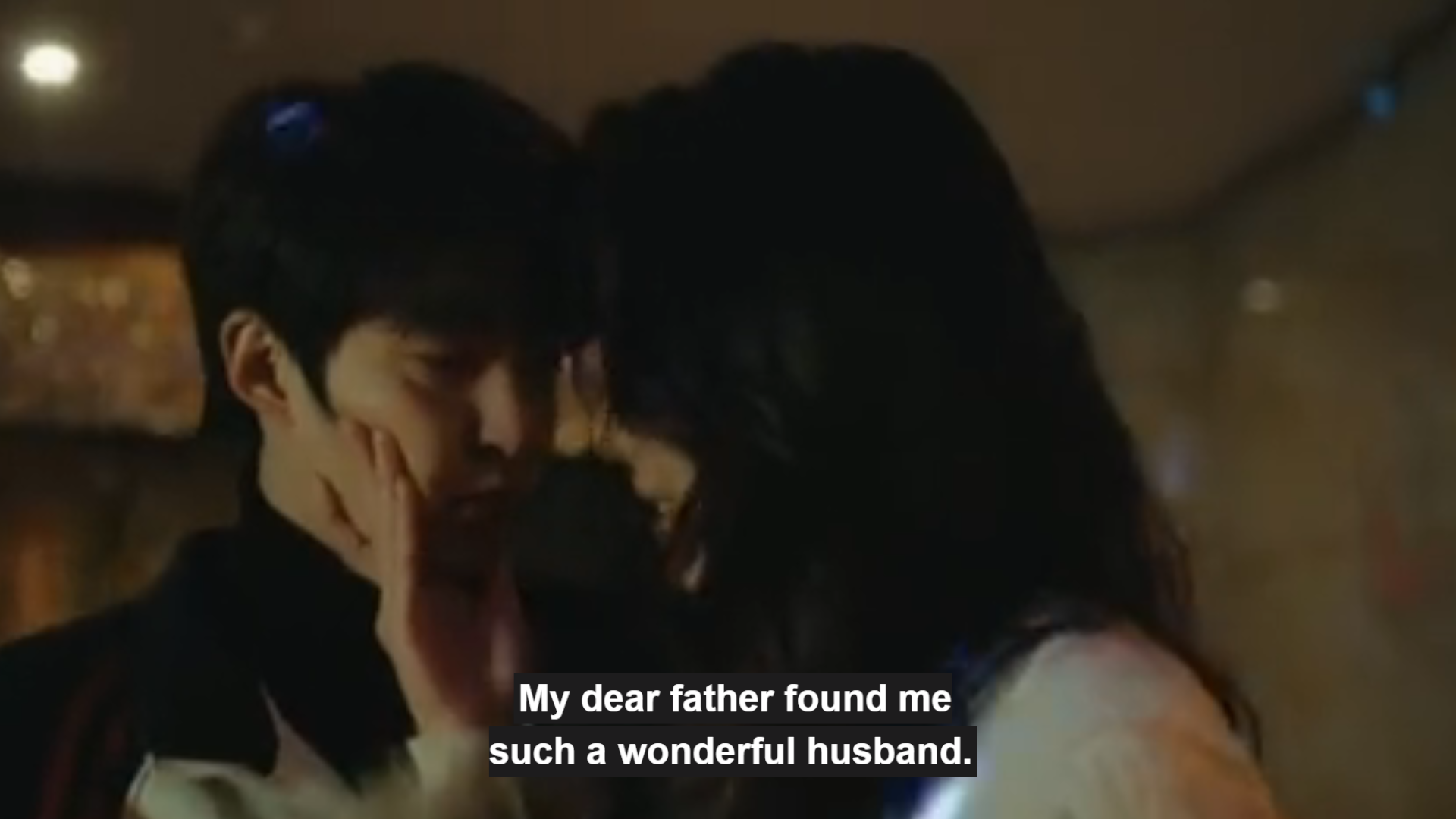
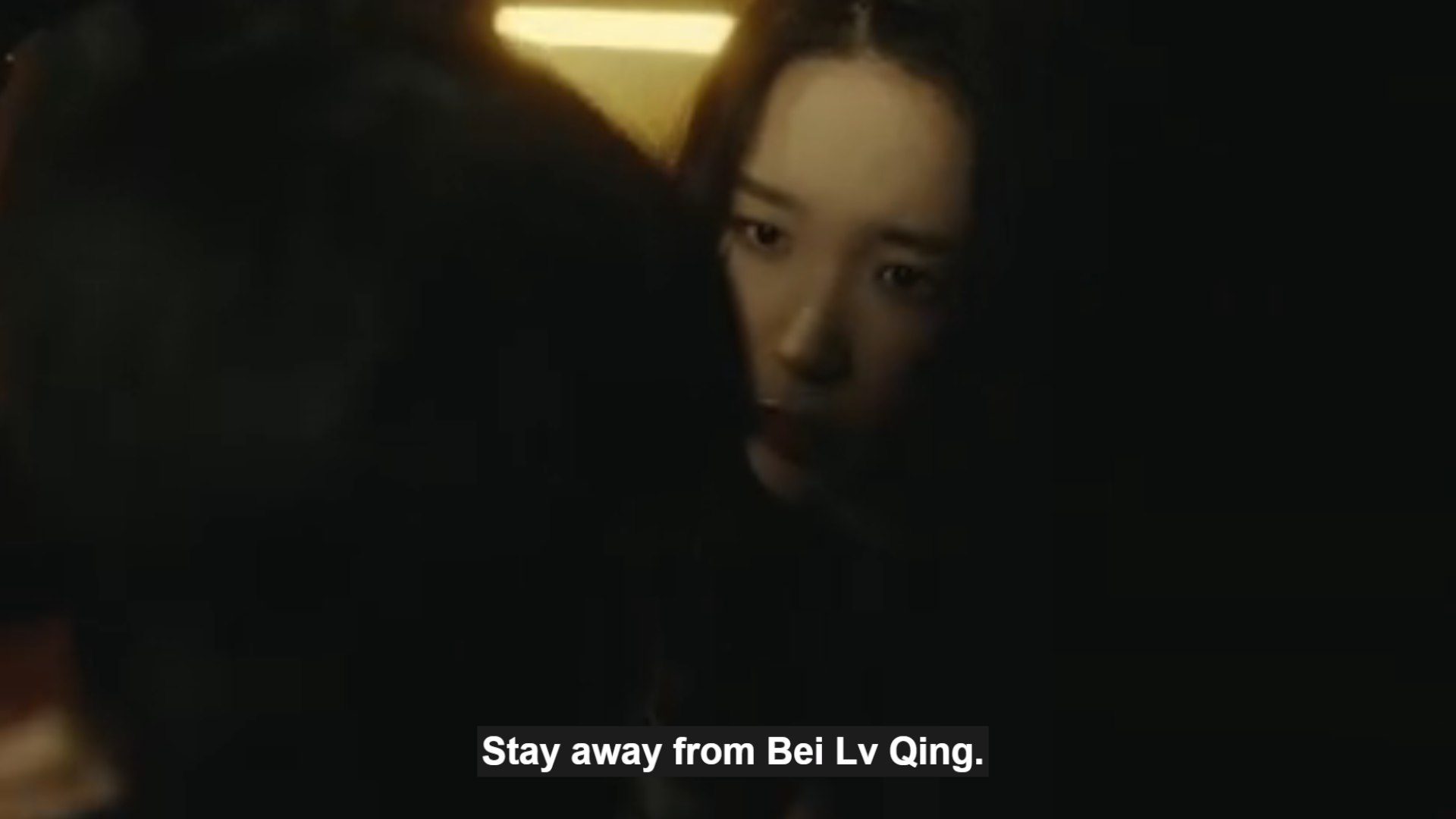
Bei Lv Xin is similarly layered. At first, she appears to be nothing more than a spoiled heiress who refuses to acknowledge Xiao Fan as her husband. As the story unfolds, however, it becomes clear that her behavior stems from years of emotional neglect within her own family. Her rebellion is less an act of entitlement than a desperate response to feeling unseen, adding another layer of complexity to a drama that consistently refuses to paint its characters in simple shades of black and white.
After Xiao Fan’s wife suffers a miscarriage, effectively making their already fragile marriage arrangement meaningless, his father-in-law gives him a choice: he can take money and leave, or remain with the Bei family until he completes his education. Unsurprisingly, Xiao Fan chooses to stay. However, does the decision to make the marriage only exist in name make Xiao Fan and Lv Qing’s forbidden relationship less taboo or controversial as a same-sex relationship in 1990s China?
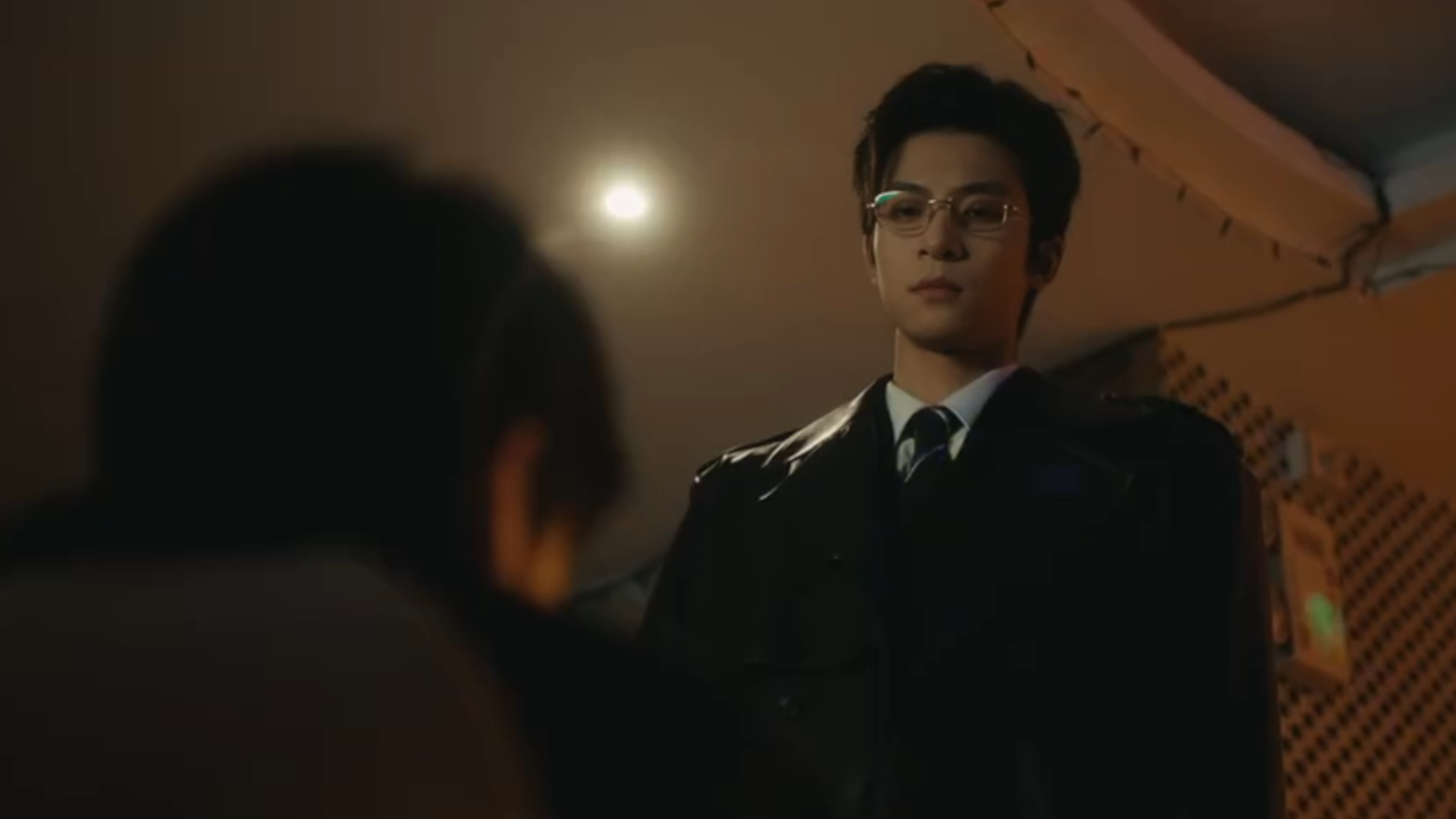
On a surprising note, even when Lu Qing’s friends discover his feelings for Xiao Fan, their criticism focuses less on the fact that Xiao Fan is a man and more on the difference in their social status, which is unexpected given the drama’s historical setting and raising questions if the drama will explore the societal pressures surrounding their relationship further along the plot.
“Bittersweet Love” is an intriguing addition to the Taiwanese BL landscape. The drama’s greatest strength lies in its layered characters, particularly Lu Xiao Fan and Bei Lv Qing, whose relationship constantly challenges viewers to question love, power, and vulnerability. For viewers seeking a slow-burn dark romance with complicated characters, “Bittersweet Love” succeeds in creating a compelling atmosphere filled with tension and uncertainty and is worth the watch.
Start watching “Bittersweet Love”:
Watch Now
Javeria is a binge-watching specialist who loves devouring entire K-dramas in one sitting. Good screenwriting, beautiful cinematography, and a lack of clichés are the way to her heart. As a music fanatic, she listens to multiple artists across different genres and stans the self-producing idol group SEVENTEEN. You can talk to her on Instagram @javeriayousufs.
Currently watching: “See You at Work Tomorrow,” “Dream to You,” “Ticket to Heaven,” and “Spooky in Love.”
Looking forward to: “Four Hands, Two Sonatas” and “Wednesday, Thursday, Friday”






 English (US) ·
  Indonesian (ID) ·