
 7 hours ago
Amazon MGM Studios
Stephen King's debut horror novel "Carrie" was first published in 1974, and it certainly struck a chord with audiences. The novel tells the story of Carrie White, a shy, sheltered teenager raised by an abusive, ultra-religious mother. She is cruelly mocked by other girls at school, though one of Carrie's schoolmates, Sue, feels some sympathy and tries to get her a prom date. Other bullies, however, plan on playing a horrendous prank. Through all of this, Carrie discovers that she has telekinetic powers, and she hones them in secret. If you know anything about horror, you know that the climax of "Carrie" is bloody and vengeful, resulting in many, many deaths.
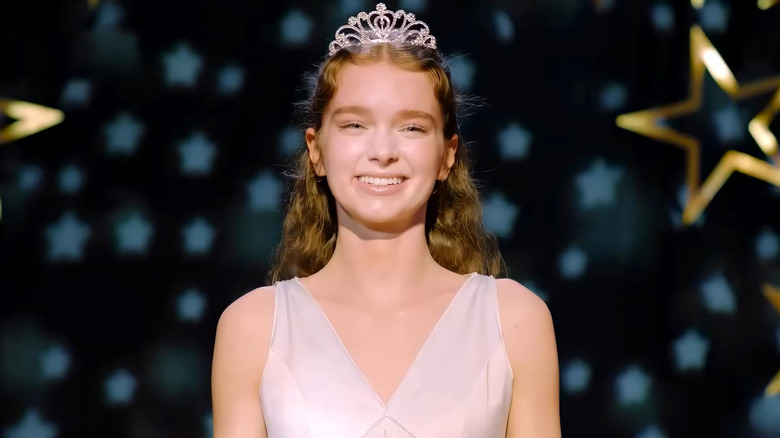
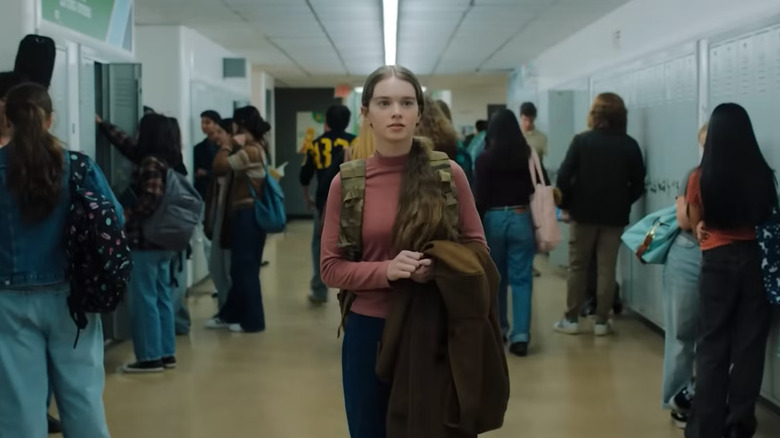
Overall, there are eight full tellings of the "Carrie" story. The novel was famously adapted into a film by Brian De Palma in 1976 and was adapted into a musical in 1988. A sequel to the original film, "The Rage: Carrie 2," starring Emily Bergl, was then released in 1999. In 2002, Bryan Fuller penned a TV movie version starring Angela Bettis, and in 2012, the musical was revived off-Broadway. Just one year later, Kimberly Peirce directed a big-screen remake starring Chloë Grace Moretz. This brings us to the present, where Mike Flanagan is set to release a "Carrie" miniseries, with Summer H. Howell playing the titular role.
Flanagan's new version will be released on Amazon on October 7, 2026, and Stephen King has already chimed in on Threads to note his approval. Notably, he said that the new "Carrie" will smartly examine how social media exacerbates the bullying that Carrie experiences — a dynamic that none of the previous "Carrie" adaptations have dealt with in great detail.
Stephen King approves of Mike Flanagan's Carrie
Amazon MGM Studios
Stephen King was brief, of course. The miniseries hasn't aired yet, and he wasn't present to write a whole review, but he noted that the new "Carrie" will deal with the fallout of social media-based bullying.
"Mike Flanagan's version of 'Carrie' is brilliant. What it has to say about social media is shocking and true."
It hardly needs reiterating that social media can adversely affect teenagers. Multiple studies have observed that social media use can lead directly to depression, especially when it comes to passive scrolling and constant, unthinking consumption. And there's also the ongoing blight of cyberbullying. When King wrote "Carrie" in the 1970s, bullying and abuse happened in person. In modern times, however, Carrie White can be pilloried remotely. It's a necessary wrinkle that Mike Flanagan had to address if he wanted to set "Carrie" in the present day. King, it seems, approves of the way Flanagan folded the internet into his 50-plus-year-old story.
Mike Flanagan has plenty of experience adapting King, having previously adapted King's stories "Gerald's Game" (very good), "Doctor Sleep" (pretty ridiculous), and "The Life of Chuck" (deeply emotional) to the screen. The filmmaker and the author seem to be copacetic in many ways and understand each other's sensibilities, and that's why it isn't surprising that King has given his thumbs-up to Flanagan's "Carrie." We'll review the miniseries when it is released, though we do know from the previews that it preserves Stephen King's original literary ending.



 English (US) ·
  Indonesian (ID) ·