
 1 month ago
NEON
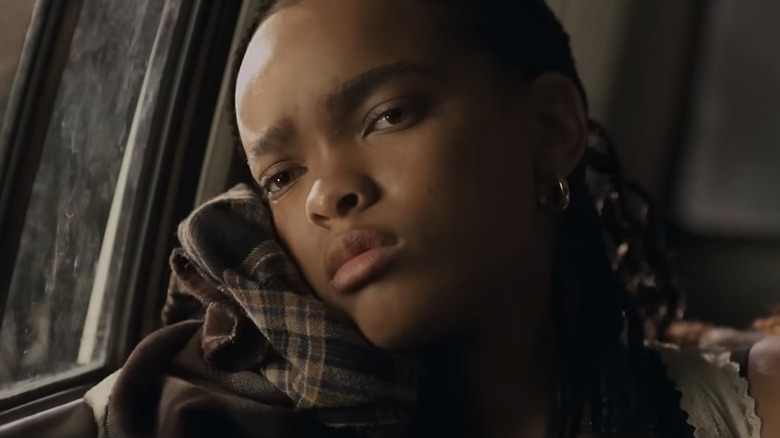
Alexander Ullom's feature directorial debut, "It Ends," is a hell of a strong cap to a powerhouse summer for first-time horror filmmakers. A haunted, cerebral take on the teen road-trip genre typically reserved for sophomoric gross-out comedies, "It Ends" is a meditation on the irrationality of existence and the bleak, endless journey we're thrust into upon entering adulthood. Many have drawn similarities to Kane Parsons' skin-crawling liminal cinematic nightmare "Backrooms," but "It Ends" shares more DNA with Samuel Beckett's "Waiting for Godot" than the internet lore of creepypastas. Like Beckett's famed tragicomedy, "It Ends" is an exploration of existential angst, finding meaning in the meaningless, desperate attempts to stave off crushing boredom, and an examination of why humans continue to persevere despite a lack of an ending in sight.
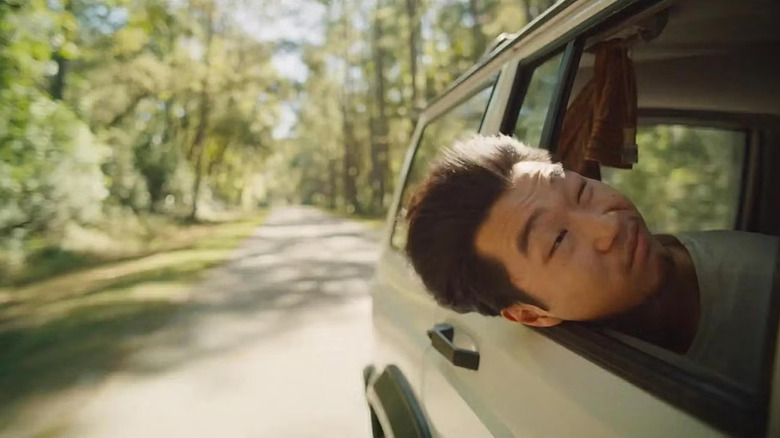
Utilizing the Florida State Alumni free equipment package, Ullom's film centers on four 20-somethings on the precipice of leaving youth behind. Tyler (Mitchell Cole) is home from the military, while Day (Akira Jackson), Fisher (Noah Toth), and James (Phineas Yoom) are all recent college graduates. The friendship dynamics between the foursome are uneven from the very start, but there's a lived-in feeling from the opening moments of overlapping dialogue, playful banter, and spontaneous trips down memory lane. However, as they realize they've been driving on a road for way, way too long, they attempt to turn around, only to find there is no going back and no stopping. They can only keep moving forward.
From the outset of this realization (with hordes of screaming people sprinting out of the woods, desperately clawing to get into their car), "It Ends" has all the makings of a survival horror thriller. But when the drive continues on, and on, and on, Ullom's film reveals itself to be something far more interesting.
It Ends is an existential endurance test
NEON
With nowhere else to go and nothing but time on their hands, the group understandably tries to rationalize what's happening to them at first. We must have missed a turn. We went the wrong way. When this line of thinking fails to yield results, and they realize they're enduring impossible circumstances (they cannot sleep, they don't get hungry, they don't need to use the bathroom, their quarter-tank of gas and cell phone batteries don't run out), they become theological. Is this a test? A punishment? Purgatory? Are they dead? The human compulsion to demand answers to ease the cognitive discomfort of uncertainty begins to affect them all, to varying degrees. The likelihood that they're going to make it out seems impossible. The apprehension about where the end, if there is an ending, slowly erodes their mental stability, and they cope in whatever way they can.
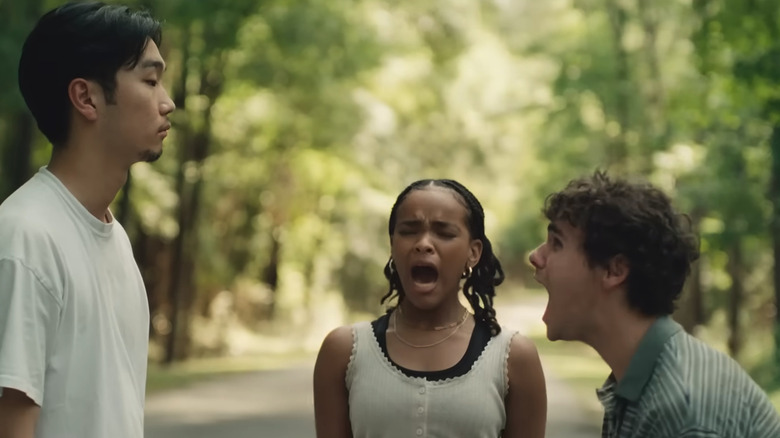
Day and Fisher set aside a designated time to purge themselves emotionally and scream as loudly as their bodies will allow. Day even laments having not downloaded the Subway Surfers mobile game before their trip, because at least then she'd have something to occupy her time beyond making memes out of photos of her own face. They schedule time to share stories about their lives, understanding that their memories will soon become the totality of all that they will ever know. The only music they have access to is songs already downloaded to their phones, the only stories they can share are the ones they've memorized by heart, and when James posits that they'll never experience anything new again (including the Cliff bar they've all agreed not to eat in case they'll "be digesting it forever"), another layer of "It Ends" takes form.
It Ends reminds us that you cannot survive on nostalgia
NEON
Gen Z catches a lot of heat from older generations, and some of it — like the "Gen Z" stare and the rise of conservatism via the manosphere — is justified. But as any good Millennial blamed for "killing" everything from the housing market to mayonnaise can tell you, the root of most of the heat lies with the systems that have failed them. The entertainment industry is inundated with nostalgia right now, digging up the cash cow corpses of long-dead IP in an attempt to make a few more million dollars. The once-healthy genre of films and TV shows geared towards teenagers has been siloed onto streaming services or Frankensteined into something that can appeal to multiple generations. And it's only getting worse for Gen Alpha and those even younger (as the box office success of something like the live-action "Lilo & Stitch" remake illustrates).
We're not giving the next generation of cinephiles anything new or unique to their experiences, and it's absurd to expect them to be grateful for the regurgitated slop they're constantly served by data-driven "evidence" of what some Boomer in a suit that costs more than their monthly rent demands they think is "cool." Instead, we've refused to give them a light at the end of the tunnel and order them to keep moving forward, fueled only by what worked in the past. "It Ends" begins with its characters debating a popular meme format that once broke Vice's Canadian offices, and it's this thought experiment, devoid of any predetermined answers, that is key to keeping the drive going. We need mental stimulation to stay alive and find the motivation to keep moving forward, and that simply cannot exist if we're only pulling from what has already ended.
It Ends is a simple thought experiment with compelling execution
NEON
When leaving my press screening of the film, I overheard some colleagues older than me (I'm 36) lament that they found it "boring" and "lacking anything important to say." When asked for my thoughts, I reflexively responded in the most self-deprecating Millennial fashion possible and practically choked on my confession of, "This movie made me want to kill myself and then not kill myself, I loved it."
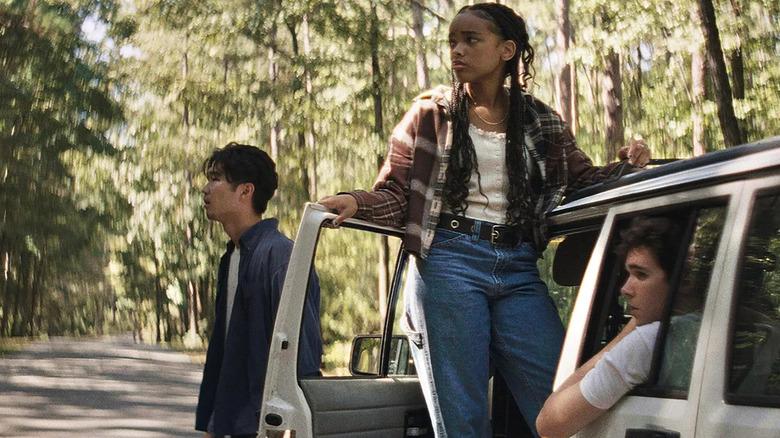
"It Ends" is ordinary right up until it isn't, and that's the great magic trick of Alexander Ullom's debut. The horror is found in questioning our understanding of who we are as we navigate life without knowing where we're going. The endless road — scattered with cars that have maxed out their odometers and forests of people at varying degrees of acceptance — is a conceit that provides a simple thought experiment with compelling execution.
Those entering adulthood are young enough to envision the future ahead of them yet old enough to recognize the unseen consequences that await. Community is vital to survival, but surrounding yourself exclusively by the same people for an eternity is no way to live. We're all just driving down the same endless road and hoping someday we'll find a turn that actually means something.
And there's something deeply affecting about seeing a young indie filmmaker wrestle with this galaxy-brained existentialism with such ambitious confidence, with the scrappiness of the low-budget production keeping the story grounded in a recognizable reality rather than hiding the metaphor behind artifice. "It Ends" wisely doesn't give us an answer. It just, as the title promises, ends. There's no map for any of this, and all we can do is keep driving.
/Film Rating: 8 out of 10
"It Ends" hits theaters on August 21, 2026.


 English (US) ·
  Indonesian (ID) ·