
 2 months ago
Searchlight Pictures
Michael Hoffman's 1999 film version of William Shakespeare's play "A Midsummer Night's Dream" had an amazing cast. As we all remember from our school days, "A Midsummer Night's Dream" was a four-pronged story about disparate groups of characters who all get romantically and comedically tangled together when they get lost in the woods of Athens. The woods of Athens, recall, are just lousy with fairies, and they have access to a magical flower that forces people, once infected by its humors, to fall in love with the first person they look at.
In the "bookend" story, the king Theseus is trying to make good with the queen Hippolyta. In the main human story, four lovers — Hermia & Lysander, Helena & Demetrius — become mixed up when certain lovers fall in love with their wrong intended mates. This is the direct result of the third story, which concerns the bitter breakup of the fairy king Oberon and the fairy queen Titania. Oberon's minion, Puck, uses his love-flower to cause romantic mayhem. The fourth story follows a group of itinerant actors, including the blowhard Bottom, as they prepare to put on an ill-fated tragic play for the royal court. Bottom eventually has his head transformed by fairies into that of a donkey.
Romantic shenanigans ensue. It's quite delightful.
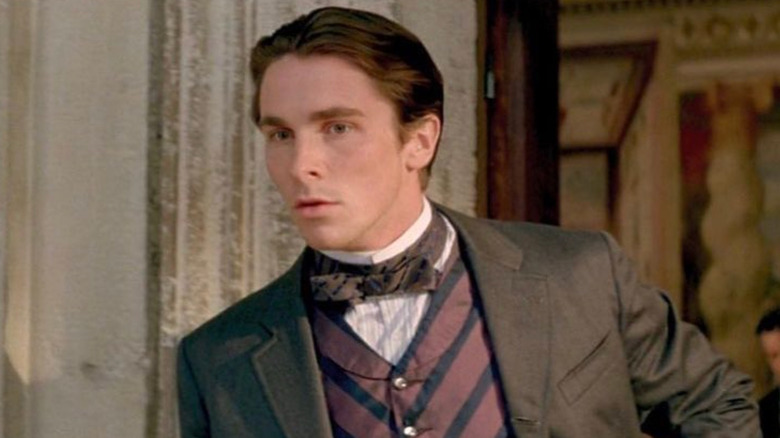
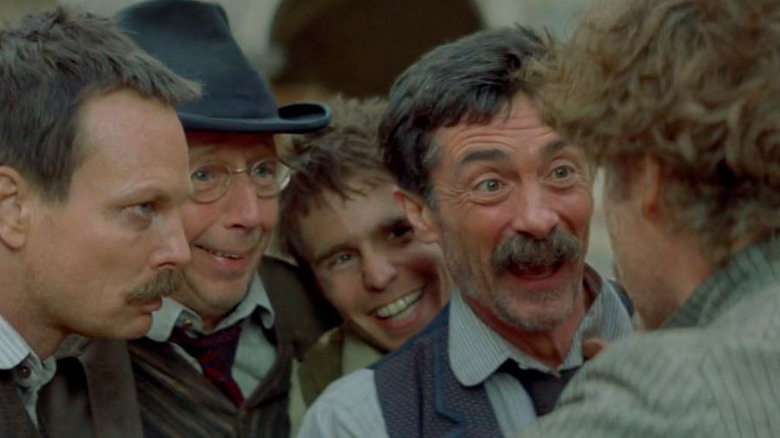
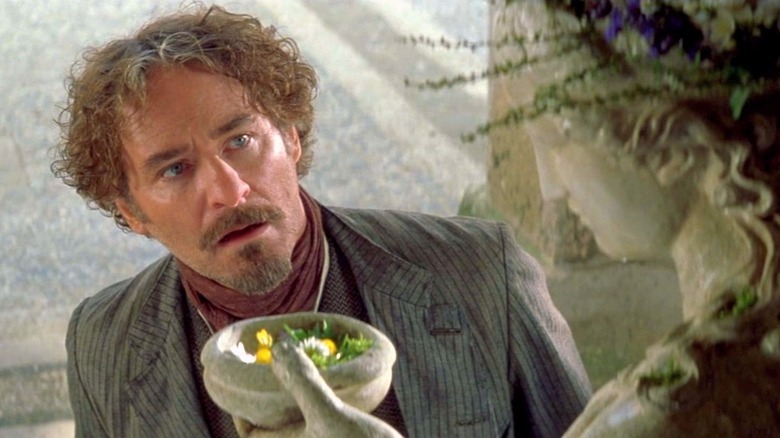
For his movie adaptation, Hoffman cast Christian Bale as Demetrius, Calista Flockhart as Helena, Anna Friel as Hermia, and Dominic West as Lysander. In addition, Rupert Everett and Michelle Pfeiffer portrayed Oberan and Titania, with Stanley Tucci playing Puck, David Strathairn and Sophie Marceau bringing Theseus and Hippolyta to life, and Kevin Kline portraying Bottom. Look closely, though, and you'll also note that Sam Rockwell (who starred in the fandom-centric "Galaxy Quest" the same year) played Flute, one of Bottom's actor buddies.
The 1999 film version of A Midsummer Night's Dream is an imperfect but sprightly rendition
Searchlight Pictures
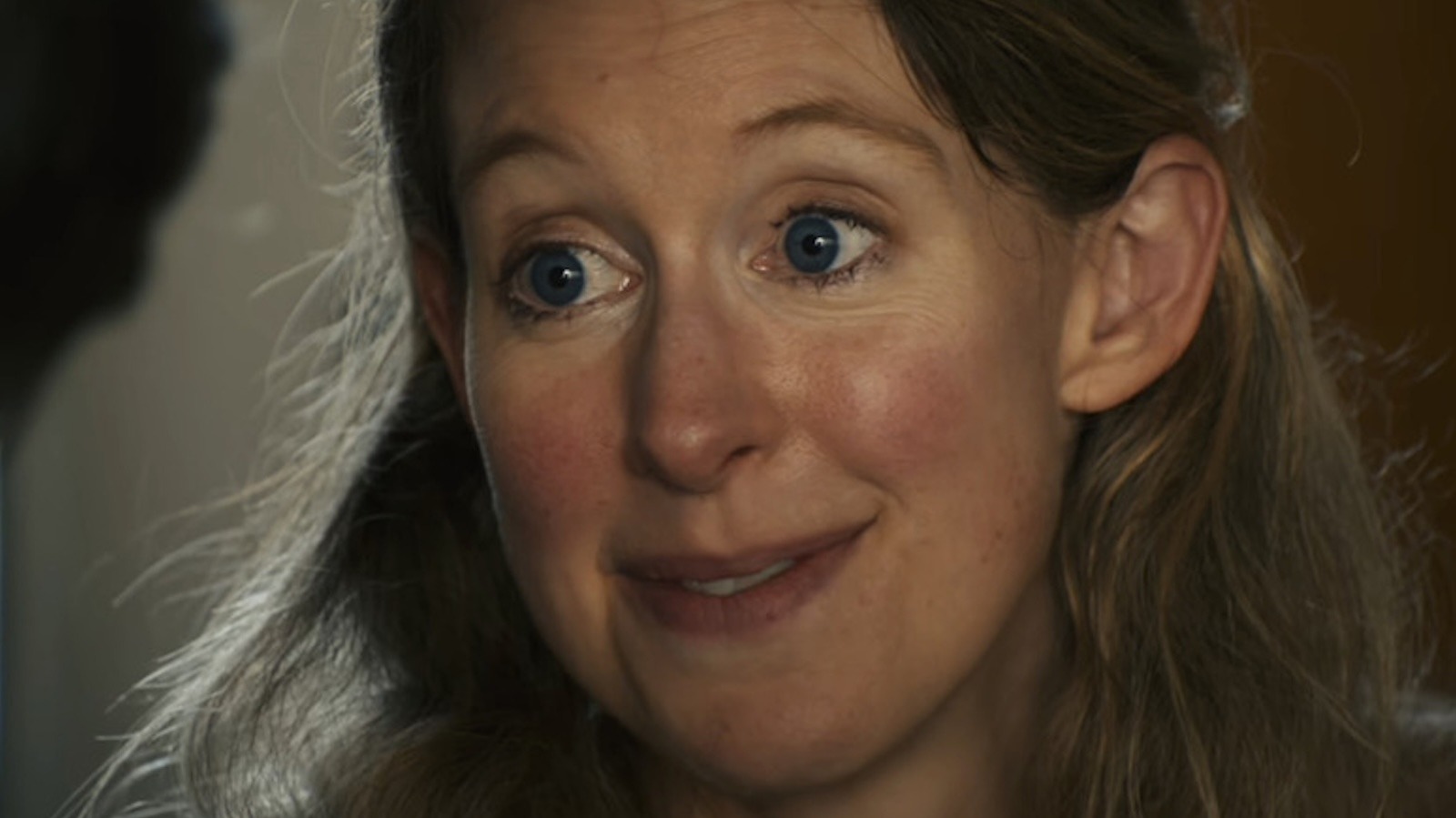
Admittedly, as amazing as the cast of 1999's "A Midsummer Night's Dream" is, its actors aren't equally comfortable with William Shakespeare's prose. Kevin Kline is perfect, for sure, but Calista Flockhart doesn't quite nail the poetry of the Bard. Anna Friel and Dominic West, however, are both theater school graduates and tackle the material very well, as does Stanley Tucci (who has a ball as a satyr-like Puck with horns).
Christian Bale, meanwhile, spends the bulk of the film with his shirt off, as the film's creatives weren't above throwing in a little slice of beefcake. (This is not one of Bale's best roles.) That being said, Michelle Pfeiffer is particularly impressive and wields Shakespeare's language with a fierce sharpness. As for Sam Rockwell, it's worth noting that Flute is one of the smaller roles in The Bard's original play. Like all his roles, though, Rockwell is wholly devoted and as funny as his limited screen time allows.
Beyond that, the film's production aims to be lavish, pastoral, and bucolic, although budget issues force everything into smaller areas. Indeed, one has to use their imagination to envision the largesse the filmmakers were clearly aiming for. What's more, it takes place in the fictional Monte Athena in Tuscany rather than Athens, and the vibe is definitely different.
At the end of the day, then, Max Reinhardt and William Dieterle's 1935 "A Midsummer Night's Dream" movie remains the gold standard for cinematic takes on Shakespeare's source material (and the only write-in Oscar winner). Still, Michael Hoffman's film is a sprightly and glittery rendition that merits revisiting for multiple reasons.
1999's A Midsummer Night's Dream proves that a flawed Shakespeare adaptation can still be fun
Searchlight Pictures
Like all of William Shakespeare's comedies, "A Midsummer Night's Dream" ends with a wedding, and Michael Hoffman had the wherewithal to score the event with Felix Mendelssohn's famous wedding march (itself originally composed for an 1843 stage production of The Bard's play). Moreover, a lot of the film's music was culled from older sources, so classical music enthusiasts will smile at its needle drops.
Overall, Hoffman's movie runs 116 minutes, which may seem long for a comedy, but keep in mind that there are four stories to cover. Also, as part of the wedding celebration, audiences are treated to a mismanaged stage production of "Pyramus and Thisbe," the romantic tragedy that Bottom and his crew have been working on. True to Shakespeare's spirit, the tragedy becomes a farce. As a play, "A Midsummer Night's Dream" will leave a smile on your face regardless, but the 1999 film version does what it can to keep the energy high. It's not flawless, but it's worth it for the cast alone.
In its day, critics were mostly warm, if partly mixed, on Hoffman's movie, as evidenced by its 66% critical approval score on Rotten Tomatoes. Even Andrew Sarris, who wrote an otherwise scathing review of the film for the Observer, admitted, "But unlike some of my more censorious colleagues, I have come to feel that even mishandled Shakespeare is better than no Shakespeare at all in a world of increasingly brutalized and bedeviled sensibilities."
And on a tangential note: Until Disney pours millions of dollars into a fully animated, full-text version of "A Midsummer Night's Dream," Bottom's donkey head will always look a little strange. Get your head in the game, Disney.
![Whalefall's Josh Brolin Cried So Hard Reading The Book That It Changed His Performance [exclusive]](https://www.slashfilm.com/img/gallery/whalefalls-josh-brolin-cried-so-hard-reading-the-book-that-it-changed-his-performance-exclusive/l-intro-1792187391.jpg "Whalefall's Josh Brolin Cried So Hard Reading The Book That It Changed His Performance [exclusive]")




 English (US) ·
  Indonesian (ID) ·